McMurtry Spéirling 2026: Price, Range, and Technical Specs
McMurtry Spéirling is a British electric track hypercar using a 60 kWh battery, around 1,000 hp and a fan powered downforce on demand system. The compact single seat coupe hits about 306 km/h, roughly 190 mph, sprints to 100 km/h in around 1.55 seconds and starts near US$ 1,050,000 (€900,900, £787,500) for track only use.


| Starting Price | $1,050,000 |
| Model Year | 2026 |
| Country of Manufacturing | United Kingdom |
| Battery Size | 60 kWh |
| Official Range | 16 mi |
| Power | 1000 hp |
* Minimum price set for the base trim by the manufacturerr, excluding taxes and additional options

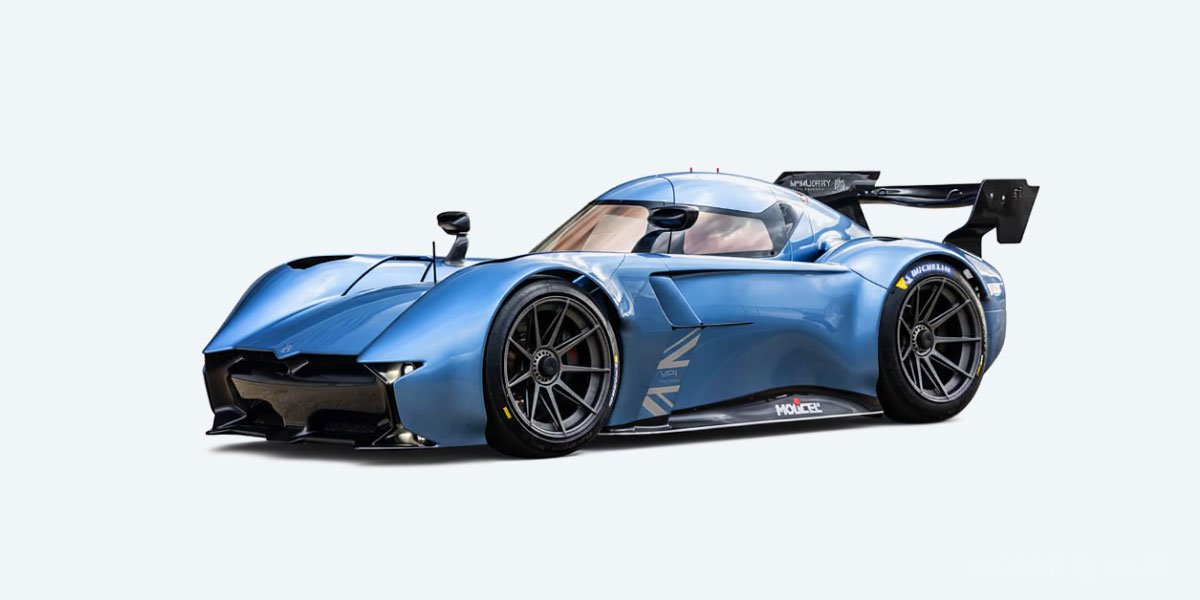
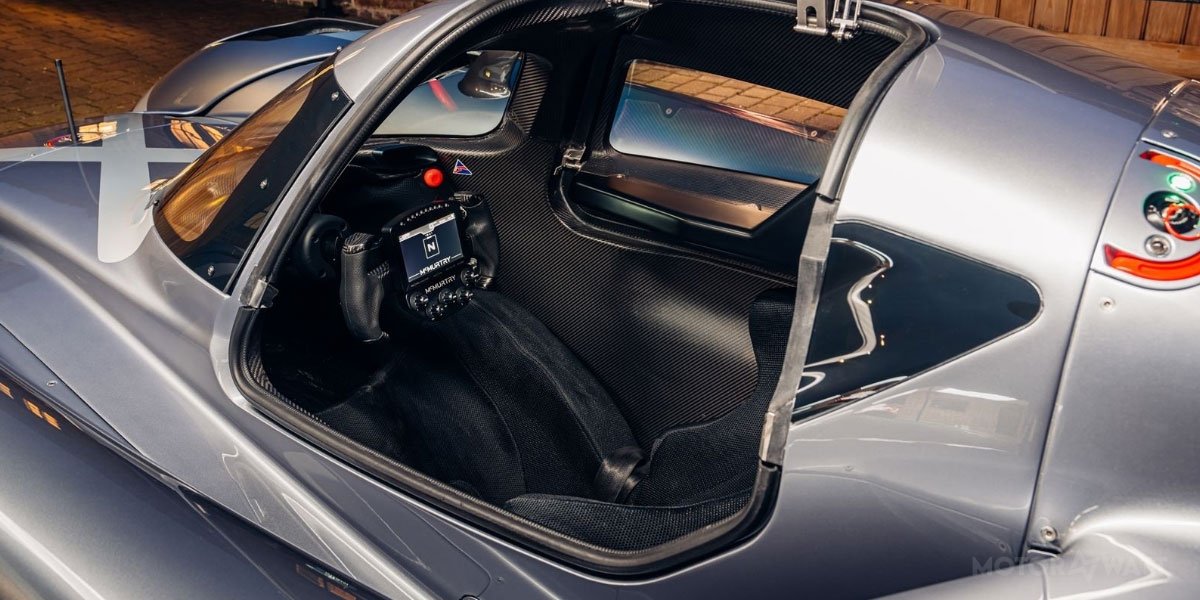
Exterior and Interior photos of McMurtry Spéirling 2026


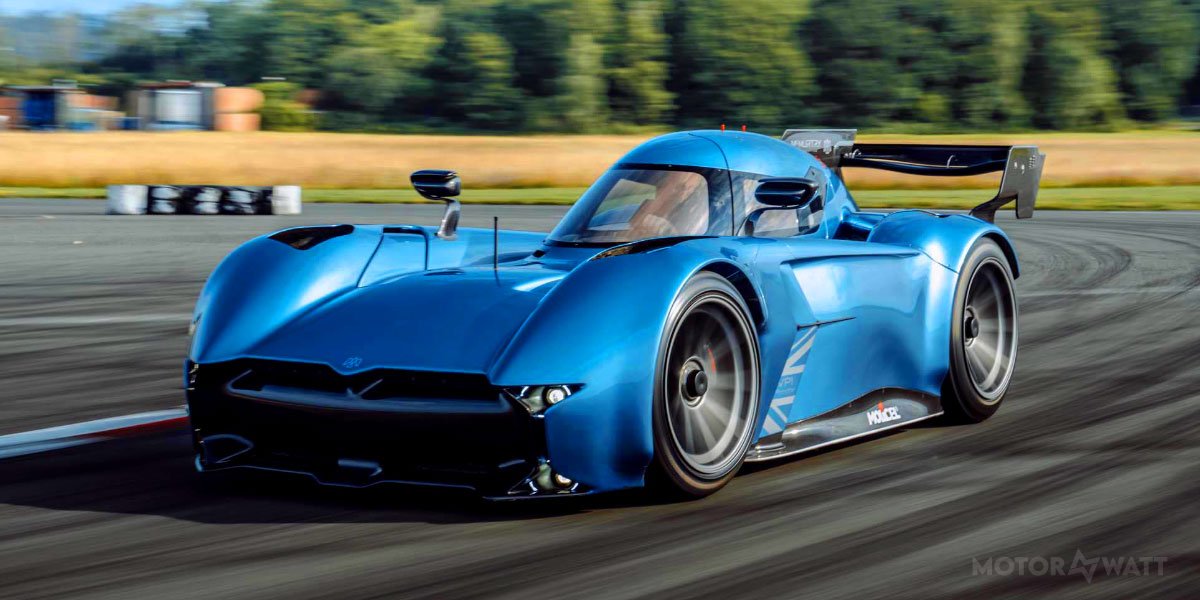
McMurtry Spéirling 2026 Review: Early Impressions & Tech Analysis
McMurtry Spéirling electric track hypercar overview
McMurtry Spéirling arrives as a purebred weapon for drivers who treat a circuit day like a personal stopwatch exam. Built in the United Kingdom by a boutique engineering crew, the car focuses entirely on lap time and driver thrill. A compact footprint and outrageous fan technology give it an identity that sticks in any enthusiast’s memory. Power sits at a nice round one thousand horses, fed by a 60 kWh pack aimed at short, intense stints. With a starting price near US$ 1,050,000 (€900,900, £787,500), the car steps directly into ultra rare electric track hypercar territory.
- The project comes from McMurtry Automotive in the United Kingdom, a specialist behind a fiercely focused single seat electric racer.
- Early track cars paved the way for the current Pure program, which leans heavily on an experimental downforce on demand system.
- Deliveries for the Pure track variant begin from 2025, with the 2026 model year carrying updated fine tuning for extreme electric performance engineering.
- The coupe carries a starting sticker of US$ 1,050,000 (€900,900, £787,500), positioning it as an exclusive electric track special against Rimac Nevera, Pininfarina Battista, Lotus Evija and Nio EP9.
- Instead of chasing boulevard glamour, the car prioritizes a tiny frontal area and aero efficient bodywork around a central driving position.
Battery, Range and Performance:
Battery, Charging and Range
The Pure variant relies on a 60 kWh pack, equal to about 60,000 watt hours of stored energy, sized for explosive power rather than grand touring duty. McMurtry targets roughly ten laps of Silverstone National at record pace, which translates to around 26 kilometers or sixteen miles of flat out running in one hit. That may sound short for a commuter, yet for a track only EV the focus sits squarely on repeatable stints and fast pit turnaround. DC fast charging aims for sub twenty minute pit windows from low state of charge to a healthy level, ideal for high pressure track programs. Aggressive cooling and cell chemistry support huge discharge rates without turning the pack into an angry toaster.
- Battery capacity stands at 60 kWh, feeding a lightweight electric hypercar layout tuned for short, intense sessions.
- Estimated track range equals around ten hard laps of Silverstone National, roughly 26 km or sixteen miles, matching the role of an electric hypercar for track days.
- Fast charging targets under twenty minutes from low state of charge, supporting rapid turnarounds between runs.
- Cooling and management software work closely with advanced regenerative braking to balance energy use and recovery.
Performance Specifications
Power peaks at about 745 kW, equal to 1,000 hp, feeding an all wheel drive setup on the road going description while the Pure track car traditionally sends power rearward for razor sharp balance. Launch numbers look almost cartoon like, with a quoted sprint from zero to 100 km/h in roughly 1.4 seconds and zero to 60 mph in about 1.55 seconds. Top speed sits near 306 km/h, around 190 mph, which suits most circuits where aero grip matters more than Vmax bragging rights. A curb weight under 1,000 kg, less than 2,205 pounds, means the car behaves closer to a shrunken prototype than a glamour cruiser. High grip slicks, fan assistance and all wheel power delivery together create a high G cornering electric car experience that pulls more than three times normal earth gravity through bends.
- Peak power reaches 745 kW or 1,000 hp, aligned with the aggressive aggressive electric acceleration brief.
- Quoted sprint to 100 km/h in about 1.55 seconds keeps pace with far more expensive rivals on paper.
- Top speed around 306 km/h, roughly 190 mph, balances straight line pace with aero priorities.
- Curb weight under 1,000 kg, below 2,205 lb, pairs with fan assisted cornering grip for outrageous mid corner speed.
At the moment the Pure configuration stands as the main flavor, limited to one hundred units globally and aimed squarely at dedicated owners chasing lap records in a British electric hypercar. Pricing for extra support packages and coaching layers on top of the US$ 1,050,000 (€900,900, £787,500) starting figure, nudging the car into the same rarefied arena as multi million dollar rivals.
Exterior and Interior Features
Exterior design and aero focus
The body reads like a miniature prototype, so compact that a standard family hatchback starts to feel oversized in comparison. Overall length runs about 3,450 mm, roughly 135.8 inches or 11.3 feet, with width near 1,580 mm, about 62.2 inches, and height only 1,020 mm, around 40.2 inches. That low profile pairs with a central driving position and carbon fiber monocoque chassis to form a true compact electric coupe. LED lamps handle the basic lighting duties, yet visual drama comes mainly from the rear end where a deep diffuser and hidden ducts channel air toward the fan system. From any angle the car projects the vibe of an electric track hypercar dreamt up in a wind tunnel first and a styling studio second.
Interior layout and driver environment
Inside the cabin, choice gives way to focus. A single fixed shell racing seat sits at the center of the cockpit, with pedal box and steering column adjustable to suit the driver rather than the other way around. Materials revolve around exposed carbon, fire resistant fabric and purposeful switchgear that mirrors proper motorsport hardware. A compact digital display clusters vital data such as lap times, battery status, fan mode and power output, yet avoids clutter for drivers who already juggle braking points and apexes. It feels every inch like an exclusive electric track special designed for drivers who treat data traces as trophies.
Pros and Cons: track focused Spéirling Pure
Pros
- The fan powered downforce concept generates huge grip from a standstill, setting the stage for outrageous hypercar fan technology.
- Curb weight under one metric ton, less than 2,205 lb, pairs with high downforce electric car aero for razor sharp responses.
- Acceleration numbers rival anything on sale, with zero to 60 mph in roughly 1.5 seconds delivering genuine aggressive electric acceleration.
- The track only EV brief avoids compromise and appeals directly to drivers hunting sector gains rather than boulevard attention.
- Fan assisted systems give repeatable grip across a wide speed band, ideal for consistent learning and motorsport grade safety margins.
Cons
- The single seat layout and track only focus reduce everyday usefulness compared with more road friendly rivals.
- Range at full pace covers only short stints, so owners need circuits with strong charging infrastructure and support crews.
- Pricing from US$ 1,050,000 (€900,900, £787,500) still sits well into hyper exclusive territory even if below some peers.
- Comfort features and infotainment fall behind more plush electric hypercar cabins, since weight savings and focus take priority.
Summary: fan driven electric hypercar for track days
For drivers who wake up thinking about apex speeds rather than coffee blends, the McMurtry Spéirling serves up a very sharp tool. A tiny footprint, massive fan powered downforce and instant torque turn every lap into a physics experiment with your neck muscles as the test sensors. Pricing near US$ 1,050,000 (€900,900, £787,500) may sound steep, yet in a club where rivals often cost twice that figure, value becomes relative. Range favors intense track sessions over road touring, which suits owners chasing data traces and personal records. In short, the car carves out a rare niche as a hypercar fan technology showcase and a formidable electric hypercar for track days.
Watch the Video Overview

Full specifications
Model Specs
| Specification | Actual Data |
|---|---|
|
Model name
|
McMurtry Spéirling
|
|
Model Year
|
2026
|
|
Country of Origin
|
United Kingdom
|
|
Manufacturer
|
McMurtry Automotive
|
Performance
| Specification | Actual Data |
|---|---|
|
Power Type
|
Full-electric
|
|
Powertrain
|
Dual electric motors
|
|
Drive Type
|
RWD
|
|
Maximum Speed
|
298 km/h - 185 mph
|
|
Acceleration 0-62 mph (0-100 km/h)
|
1.55 seconds
|
|
Peak Power Output
|
745 kW - 1000 hp
|
Battery and Charging
| Specification | Actual Data |
|---|---|
|
Battery Capacity
|
60 kWh
|
|
Fast Charging Rate
|
DC fast charging
|
|
Charging Time (10% to 80%)
|
Under 20 minutes
|
Estimated Range Data
| Specification | Actual Data |
|---|---|
|
Track Range
|
26 km - 16 miles
|
Body Specifications
| Specification | Actual Data |
|---|---|
|
Length
|
3450 mm - 135.8 inches
|
|
Width
|
1580 mm - 62.2 inches
|
|
Height
|
1020 mm - 40.2 inches
|
|
Curb Weight
|
Under 1000 kg - Under 2205 lbs
|
Exterior Design Features
| Specification | Actual Data |
|---|---|
|
Active Aerodynamics
|
Fan powered downforce on demand system
|
|
Body Material
|
Carbon fiber monocoque
|
|
Doors
|
Gullwing doors
|
Interior Design and Materials
| Specification | Actual Data |
|---|---|
|
Materials
|
Exposed carbon, fire resistant fabric
|
|
Seating Capacity
|
1
|
|
Adjustments
|
Adjustable pedal box and steering column
|
Cabin Technical Features
| Specification | Actual Data |
|---|---|
|
Displays
|
Compact digital display clusters vital data such as lap times, battery status, fan mode and power output
|
|
Controls
|
Purposeful switchgear
|
|
Drive Assistants
|
Traction control, Motorsport ABS
|
F.A.Q. about McMurtry Spéirling 2026
What kind of powertrain layout powers this electric hypercar
The car uses a full electric powertrain with roughly 745 kW, equal to about 1,000 hp, driving a compact coupe body. Energy flows from a 60 kWh pack that feeds high output motors tuned for short, intense circuit sessions rather than highway cruising.
How fast can the car accelerate from zero to highway speeds
Factory figures suggest a launch from zero to 100 km/h in roughly 1.4 seconds, equal to about zero to 62 mph in a similar window. That places the car among the quickest production track specials ever built, rivaling multi million dollar rivals from Croatia and Italy.
What top speed can drivers expect on a long straight
The quoted maximum speed reaches about 306 km/h, around 190 mph, which suits most major European and American circuits. Rather than chasing 400 km/h bragging figures, the engineering team focuses on rapid corner exits and relentless mid corner speed.
How far can one charge take the car during a typical track stint
Engineers target around ten laps of Silverstone National at record pace, roughly 26 km or sixteen miles of continuous hard lapping. At more moderate pace a driver may stretch a session slightly, yet the McMurtry Spéirling remains optimized for short, intense runs with rapid turnarounds.
What is the usable battery capacity and how is it configured
The pack carries a usable capacity close to 60 kWh, equal to about 60,000 watt hours, tuned for very high discharge rates. Cell layout and cooling support repeated full power runs without major fade, aided by aggressive regenerative braking during deceleration zones.
How quickly can owners recharge between sessions
With suitable DC fast charging hardware, turnaround from a low state of charge to a healthy level takes under twenty minutes in most scenarios. That window matches typical driver rest breaks, making double stint sessions practical without long paddock downtime.
How much does the car cost compared with rival electric hypercars
The McMurtry Spéirling starts around US$ 1,050,000 (€900,900, £787,500), which undercuts several rivals costing more than two million dollars. Owners still step into a seven figure commitment, yet gain an ultra focused single seat weapon for private track use.
What kind of safety equipment supports such high cornering forces
A carbon fiber monocoque, integrated rollover structure and motorsport grade harness setup create a strong passive safety cell. Systems such as racing ABS, traction management and fan control help drivers handle lateral loads above 3 g with a wider margin of error.
How heavy is the car compared with other electric hypercars
Curb weight stays under 1,000 kg, below 2,205 lb, which makes the car far lighter than many multi motor hypercars that sail past two metric tons. That lean figure, combined with fan generated downforce, transforms direction changes into sharp, kart like responses at serious speed.