Porsche Cayenne Electric 2026: Price, Range, and Technical Specs
Porsche Cayenne Electric is a 2026 luxury electric SUV built in Germany on an 800 volt PPE platform. It delivers 435 hp, AWD traction, and 0 to 100 km/h acceleration in 4.8 seconds. A 113 kWh battery provides up to 642 km WLTP range, while 400 kW DC charging reaches 10 to 80 percent in about 16 minutes. Starting at $109,000, it targets premium buyers seeking performance, space, and rapid charging.

| Starting Price | $109,000 |
| Model Year | 2026 |
| Country of Manufacturing | Germany |
| Battery Size | 113 kWh |
| Official Range | 399 mi |
| Power | 435 hp |
* Minimum price set for the base trim by the manufacturerr, excluding taxes and additional options

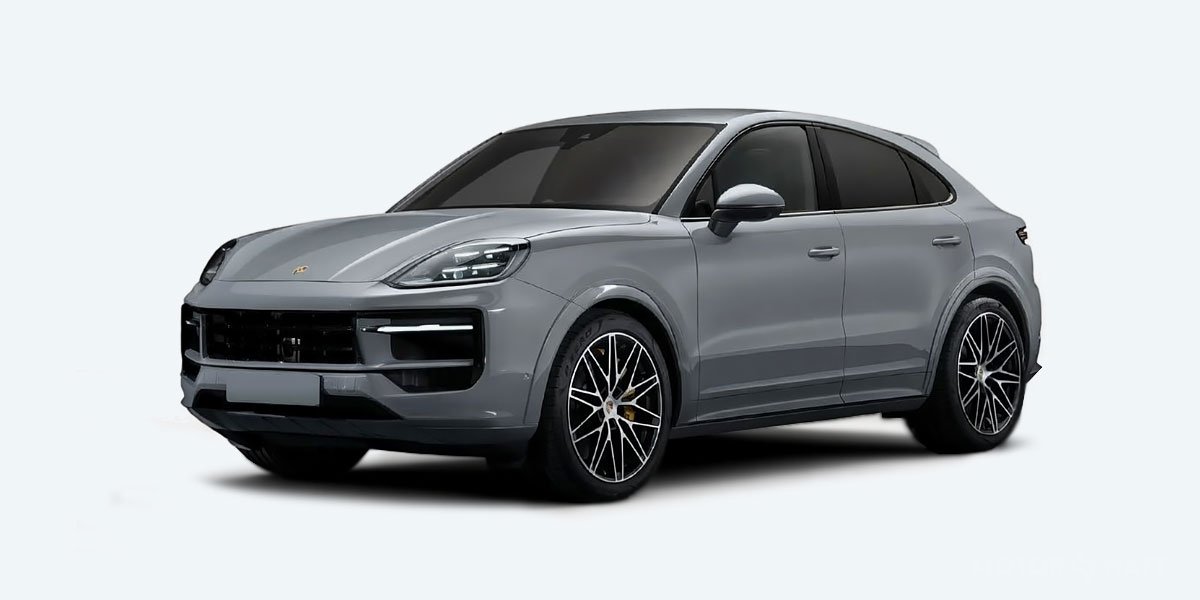
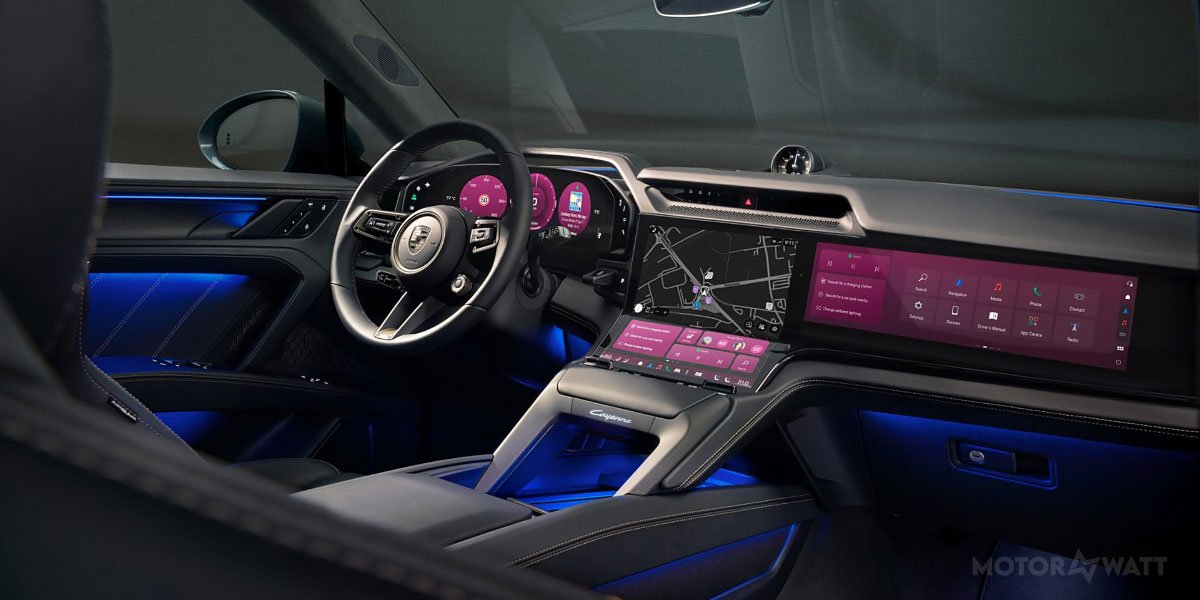
Exterior and Interior photos of Porsche Cayenne Electric 2026


Porsche Cayenne Electric 2026 Review: Early Impressions & Tech Analysis
Porsche Cayenne Electric 2026 Introduction:
Porsche Cayenne Electric arrives for the 2026 model year as a full-size luxury electric SUV engineered for drivers who want speed, comfort, and daily usability in one carefully tuned package. Built in Germany and riding on the advanced Premium Platform Electric, the SUV uses an 800 volt electrical architecture to balance rapid charging with consistent performance. Positioned above the Macan Electric, the model targets families and enthusiasts seeking space without sacrificing responsiveness. Power output reaches 435 horsepower, acceleration stays sharp, and range remains competitive for long distance use. Pricing starts at $109,000 USD (€100,300), placing the vehicle firmly in the premium electric SUV category. From city commutes to interstate cruising, the focus stays on precision, stability, and efficiency.
- Manufacturing roots trace back to Stuttgart, with production centered in Germany and strict quality control.
- Unveiling focus highlights Porsche entry into large luxury electric SUVs using PPE architecture.
- New engineering includes 800 volt charging and advanced suspension tuning.
- Starting price opens at $109,000 USD (€100,300), aimed at the premium performance segment.
- Market role positions the SUV above the Macan Electric for buyers needing more room.
What Is the Price of the Porsche Cayenne Electric in 2026?
The base Porsche Cayenne Electric price starts at $109,000 USD (€100,300). That figure places it among high-end electric SUVs, competing on performance, charging speed, and brand reputation rather than value pricing.
| Trim Level | PRICE | KEY FEATURES |
|---|---|---|
|
Cayenne Electric
|
Dual motor AWD system delivering 435 hp, 113 kWh battery, WLTP range up to 642 km (399 miles), 0 to 100 km/h in 4.8 seconds, adaptive air suspension, and 400 kW DC fast charging.
|
|
|
Cayenne Turbo Electric
|
Higher output tuning, sport-focused suspension calibration, upgraded braking hardware, unique exterior detailing, and expanded performance driving modes.
|
Trim separation focuses on output and chassis tuning rather than radical design changes. Battery size stays consistent, while performance calibration and suspension hardware define the driving character.
Engine, Battery, and Performance Specs:
Battery & Charging Specifications
The SUV carries a 113.0 kWh gross battery with 108.0 kWh usable capacity, designed for long distance efficiency and repeated high power charging. WLTP range reaches 642 km, roughly 399 miles, under mixed driving conditions. DC fast charging from 10 to 80 percent completes in about 16 minutes at up to 400 kW, aided by the 800 volt system. Home and AC charging support daily usability without long downtime.
- Battery capacity 113.0 kWh gross, 108.0 kWh net
- WLTP range up to 642 km (399 miles)
- DC charging 10 to 80 percent in 16 minutes
- 800 volt electrical architecture
Electric Motor Specifications
Dual electric motors drive all four wheels, producing 325 kW or 435 horsepower with launch control engaged. Torque output peaks at 835 Nm, translating to roughly 616 lb ft, delivered instantly for confident acceleration. Torque vectoring across both axles sharpens cornering response, especially in tighter road conditions.
- Dual motor AWD configuration
- Maximum power 435 hp or 325 kW
- Torque output 835 Nm (616 lb ft)
Performance Specifications
Acceleration from 0 to 100 km/h completes in 4.8 seconds, placing the SUV comfortably in performance territory. Top speed reaches 230 km/h or 143 mph. Adaptive air suspension and Porsche Active Suspension Management work together to control body movement and maintain ride comfort.
- 0 to 100 km/h in 4.8 seconds
- Top speed 230 km/h (143 mph)
- Adaptive air suspension with PASM
For owners balancing spirited driving with family duties, the platform offers stability, predictable handling, and consistent braking feel under load.
Exterior and Interior Features
Exterior Design
The exterior keeps familiar proportions while refining aerodynamics for electric efficiency. HD Matrix Design LED headlights define the front, paired with active cooling flaps and a smooth underbody. Standard 20 inch Aero wheels support efficiency, while optional 22 inch alloys add visual presence. A full width rear LED light bar emphasizes width and modern lighting identity.
Interior & Technology
Inside, the Porsche Driver Experience introduces a curved 14.25 inch OLED instrument cluster and a 12.25 inch central infotainment display. An optional 14.9 inch passenger screen adds independent media control. Porsche Communication Management integrates voice control and smartphone mirroring. Acoustic glazing and premium materials maintain a calm cabin atmosphere.
Design choices prioritize visibility, intuitive controls, and long distance comfort across both rows.
Pros and Cons:
Pros
- Strong acceleration for a full size electric SUV
- Fast DC charging capability
- High quality interior materials
- Long WLTP driving range
Cons
- Premium pricing limits accessibility
- High curb weight affects efficiency under aggressive driving
- Optional features raise final cost
Market Position & Expert Data:
In the premium electric SUV category, demand continues to rise among buyers seeking performance with zero tailpipe emissions. According to Reuters, global luxury EV sales grew by over 30 percent in 2025, driven largely by SUVs. McKinsey research shows buyers prioritize charging speed and driving feel over raw range numbers in this segment.
An automotive analyst from McKinsey notes that performance focused electric SUVs now attract traditional combustion loyalists, citing faster charging and consistent torque delivery. Harvard Business Review data highlights that premium EV buyers accept higher prices when usability and brand credibility align.
Summary:
The Cayenne Electric enters 2026 as a performance focused luxury SUV shaped for modern driving habits. Strong acceleration, rapid charging, and refined cabin execution define daily use. Pricing reflects premium positioning, while engineering choices support long distance confidence. For drivers wanting space without dull dynamics, the package fits well.
Watch the Video Overview


Full specifications
Model Specs
| Specification | Actual Data |
|---|---|
|
Model Name
|
Cayenne Electric
|
|
Model Year
|
2026
|
|
Vehicle Class
|
Luxury Electric SUV
|
|
Body Type
|
SUV
|
|
Country of Origin
|
Germany
|
|
Platform
|
Premium Platform Electric (PPE)
|
|
Electrical Architecture
|
800 V system
|
Performance
| Specification | Actual Data |
|---|---|
|
Power Type
|
Full electric
|
|
Powertrain
|
Dual motor
|
|
Drive Type
|
All wheel drive (AWD)
|
|
Maximum Power
|
435 hp (325 kW)
|
|
Maximum Torque
|
835 Nm (616 lb ft)
|
|
Acceleration 0 to 62 mph (0 to 100 km/h)
|
4.8 seconds
|
|
Top Speed
|
230 km/h (143 mph)
|
|
Chassis Systems Mentioned
|
Adaptive air suspension, Porsche Active Suspension Management (PASM)
|
Battery and Charging
| Specification | Actual Data |
|---|---|
|
Battery Capacity Gross
|
113.0 kWh
|
|
Battery Capacity Net
|
108.0 kWh
|
|
Nominal Voltage Architecture
|
800 V system
|
|
Fast Charging Rate
|
Up to 400 kW (DC)
|
|
Charging Time DC 10 to 80%
|
16 minutes
|
|
Regenerative Braking Recovery
|
Up to 600 kW
|
Estimated Range Data
| Specification | Actual Data |
|---|---|
|
Range Standard
|
WLTP 642 km (399 miles)
|
|
Real World Range Notes
|
Varies with speed, temperature, and driving mode
|
Body Specifications
| Specification | Actual Data |
|---|---|
|
Length
|
4,985 mm (196.3 in)
|
|
Width
|
1,980 mm (78.0 in)
|
|
Height
|
1,674 mm (65.9 in)
|
|
Wheelbase
|
3,023 mm (119.0 in)
|
|
Curb Weight Estimated
|
2,450 kg (5,401 lb)
|
|
Cargo Capacity Rear
|
781 L (27.6 cu ft)
|
|
Cargo Capacity Front
|
54 L (1.9 cu ft)
|
Exterior Design Features
| Specification | Actual Data |
|---|---|
|
Headlights
|
HD Matrix Design LED with four point daytime running lights
|
|
Efficiency Aerodynamics
|
Active cooling flaps, smooth underbody
|
|
Wheel Options
|
20 in (50.8 cm) Aero wheels standard, optional 22 in (55.9 cm) alloys
|
|
Rear Lighting
|
Full width LED light bar
|
Interior Design and Materials
| Specification | Actual Data |
|---|---|
|
Cockpit Concept
|
Porsche Driver Experience digital forward cockpit
|
|
Upholstery Options
|
Premium sustainable materials or leather
|
|
Front Seat Adjustment
|
8 way electric adjustment
|
|
Cabin Acoustic Treatment
|
Advanced acoustic glazing
|
Cabin Technical Features
| Specification | Actual Data |
|---|---|
|
Digital Instrument Cluster
|
14.25 in (36.2 cm) curved OLED
|
|
Center Infotainment Display
|
12.25 in (31.1 cm)
|
|
Optional Passenger Display
|
14.9 in (37.8 cm)
|
|
Infotainment Platform
|
Porsche Communication Management (PCM)
|
|
Voice and Phone Integration
|
Integrated Amazon Alexa, wireless smartphone mirroring
|
|
Driving Modes Mentioned
|
Range, Sport Plus
|
F.A.Q. about Porsche Cayenne Electric 2026
What is the usable battery capacity and how does it affect daily driving?
The Porsche Cayenne Electric uses a 113.0 kWh battery with about 108.0 kWh usable capacity, supporting long daily drives with minimal charging stops. That usable buffer helps maintain consistent performance and charging speed over time.
What is the real world driving range on a single charge?
The Porsche Cayenne Electric delivers up to 642 km or about 399 miles on the WLTP cycle, with real world range varying by conditions.
- City driving favors regenerative braking and efficiency
- Highway speeds reduce range at sustained 120 km/h or 75 mph
- Cold weather slightly lowers usable distance
How long does fast charging usually take?
The Porsche Cayenne Electric supports ultra fast DC charging from 10 to 80 percent in about 16 minutes when connected to a 400 kW charger. The 800 volt system keeps charging speeds stable during longer trips.
What is the starting price in the USA and Europe?
The Porsche Cayenne Electric starts at $109,000 USD (€100,300) in the United States and European markets. Higher performance versions increase pricing through upgraded power and chassis tuning.
How does electric performance compare to gasoline SUVs?
Electric motors deliver instant torque, allowing acceleration to 100 km/h in 4.8 seconds with smooth power delivery. That responsiveness often feels quicker than similarly sized gasoline luxury SUVs.
Is it suitable for cold climates in the USA and Europe?
The Porsche Cayenne Electric uses thermal battery management and heat pump technology to support winter driving. Cold conditions may reduce range, yet charging and cabin comfort remain consistent.
What maintenance differences should owners expect?
Electric SUVs rely on fewer moving parts, reducing routine service needs. Maintenance mainly focuses on tires, brakes, suspension, and software updates.
Can it handle long distance travel comfortably?
The Porsche Cayenne Electric supports long distance travel through fast charging, adaptive air suspension, and a quiet cabin. High speed stability and quick recharge stops reduce travel fatigue.
How safe are modern electric SUVs in accidents?
High strength battery enclosures, low center of gravity, and advanced driver assistance systems enhance crash safety. Electric SUV platforms are engineered to manage impact forces efficiently.