

Overview
OlifeEnergy AC makes shared charging easier
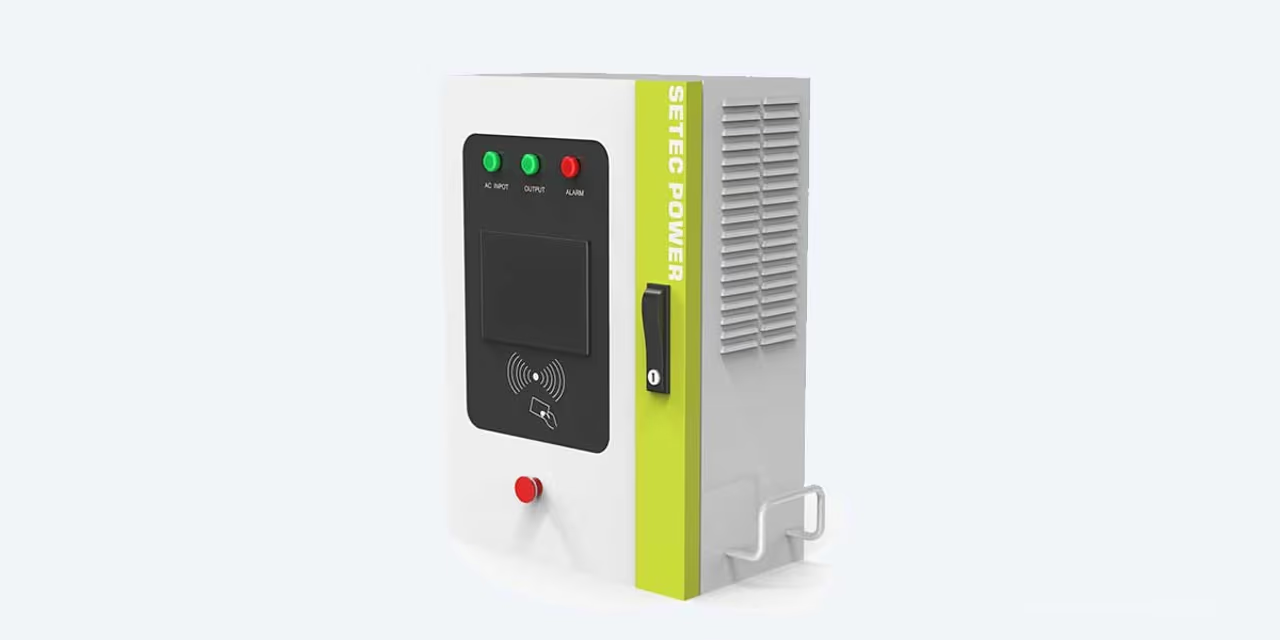
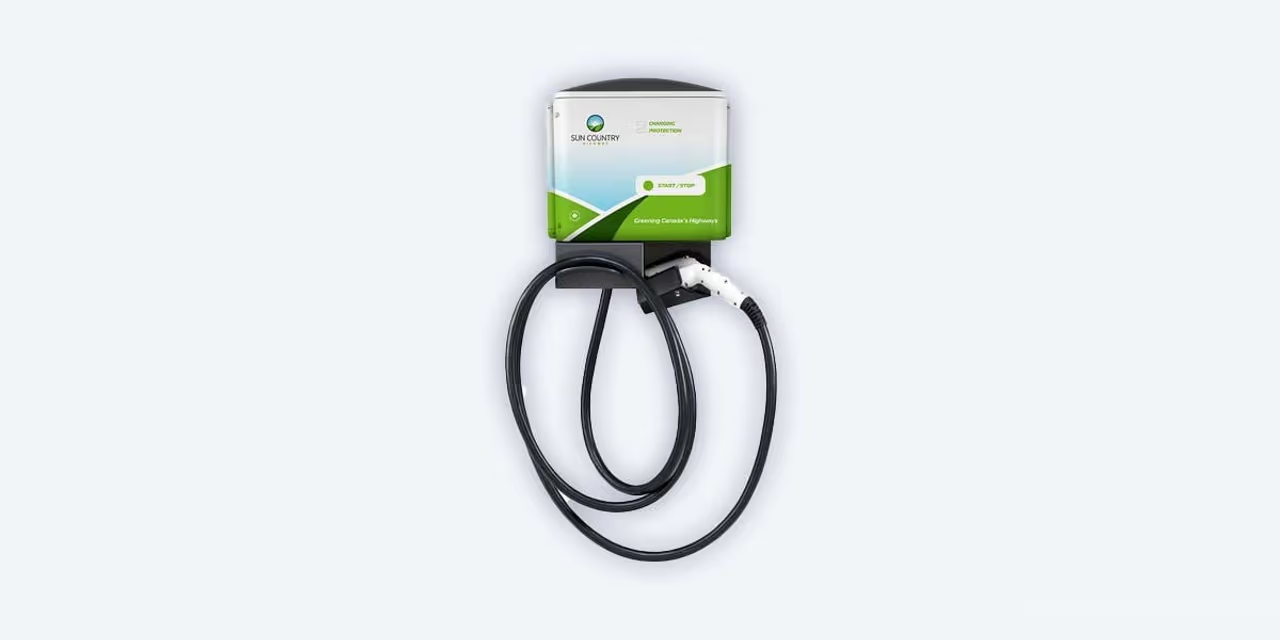
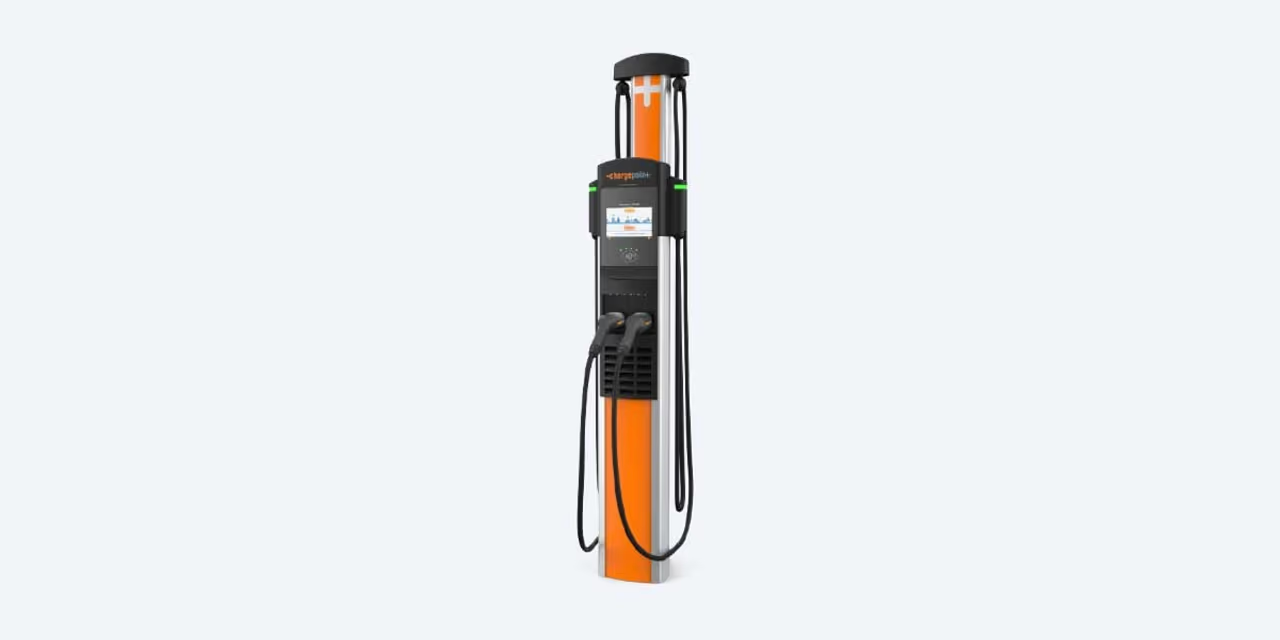
OlifeEnergy AC suits homes, businesses and communal sites serving two vehicles. Olife Energy pairs dual charging with adjustable output, access control and connected management. Its main appeal is simple coordination where one vehicle might otherwise wait.
Two vehicles can charge together
OlifeEnergy AC supports simultaneous charging for households and workplaces. Power sharing helps distribute available output between connected vehicles. That arrangement can simplify daily routines when arrivals overlap.
Control features support managed use
RFID access helps administrators control who can start charging. Cloud connectivity supports remote diagnostics and user administration. Smart integration can coordinate tariffs, battery conservation and dynamic power management.
Installation still deserves attention
OlifeEnergy AC suits indoor or outdoor locations, with protection from dust and water splashes. Buyers should confirm wiring, installation needs and cable arrangements before choosing the site. Shared charging rewards planning.
Who is the OlifeEnergy AC best for?
Shortlist OlifeEnergy AC when two vehicles share one location and administrators need control. Olife Energy also suits buyers seeking adjustable output and remote management. A simpler single vehicle charger may suit smaller households with lighter needs.
Pros and Cons
- Charges two vehicles simultaneously
- RFID access supports controlled use
- Cloud tools support remote diagnostics
- Dual charging may exceed one vehicle needs
- Installation planning remains important
- Connected controls may exceed simple charging needs