Abbot Rev Commuter: Price, Range, and Technical Specs
The Abbot Rev Commuter is a U.S.-made electric road bike with a 500W motor, 0.72 kWh battery, 72 mi (115 km) max range, and a top speed of 28 mph (45 km/h), priced around $1,999.99 (£1,570 / €1,835).


| Starting Price | TBD |
| Model Year | 2023 |
| Country of Manufacturing | USA |
| Battery Size | 0.72 kWh |
| Official Range | 71 mi |
| Power | 500 W |
* Minimum price set for the base trim by the manufacturerr, excluding taxes and additional options

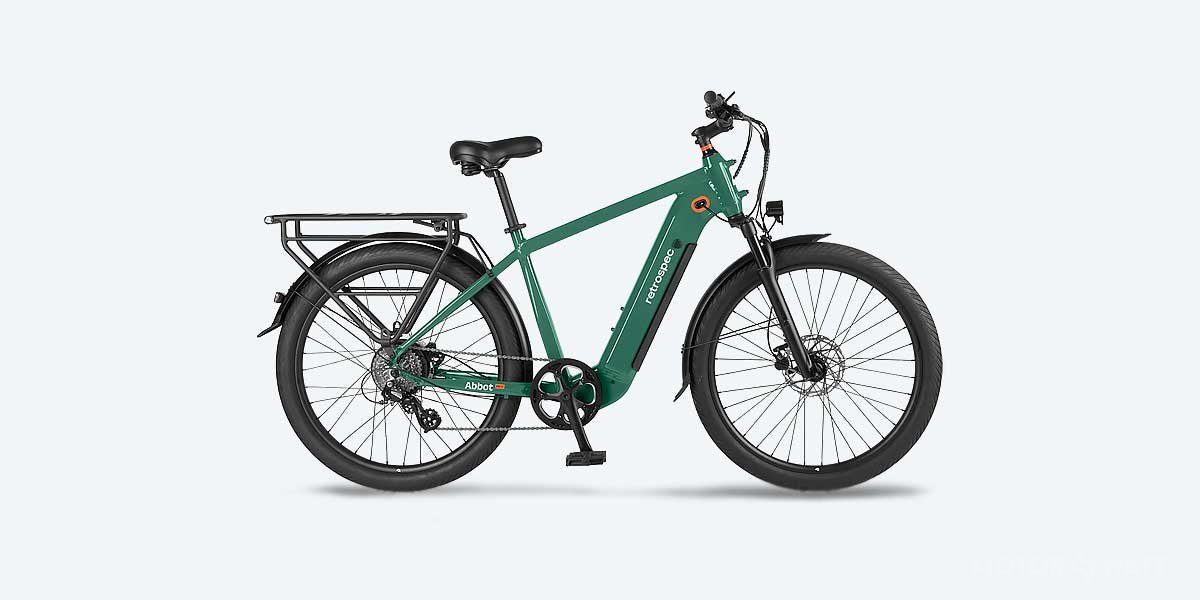


Abbot Rev Commuter Review: Early Impressions & Tech Analysis
Abbot Rev Commuter Electric Bike Overview
The Abbot Rev Commuter is built with city riders in mind, balancing power, comfort, and practical touches that make daily transport feel effortless. Manufactured in the United States and introduced in 2023, it quickly positioned itself as a strong contender in the premium commuter e-bike segment. With a price hovering near $1,999.99 (about £1,570 / €1,835), it lands in the sweet spot for riders who want more than just a basic electric bicycle but prefer something shy of high-end boutique pricing.
- Unveiled in 2023 as a premium commuter option designed for American city riders.
- Introduced at around $1,999.99 (£1,570 / €1,835), it positions itself against other Class 3 commuter e-bikes.
- Manufactured in the USA with a hydroformed aluminum frame and integrated power pack for durability.
- Marketed as a performance-forward commuter solution, blending speed, range, and accessories.
Specs and Technical Details:
Battery
Power comes from a 48V, 720Wh (0.72 kWh) lithium-ion battery, tucked seamlessly into the downtube for a clean look. Riders can expect a maximum range of 72 miles (115 km), though real-world commuting typically delivers closer to 40–50 miles (64–80 km), depending on weight, terrain, and assist level. Charging takes around 5–6 hours from empty, giving users a practical overnight solution for daily use. With LG 21700 cells, the pack is engineered for longevity and stability.
- Battery capacity: 0.72 kWh (720Wh)
- Estimated max range: 72 mi (115 km)
- Typical real-world range: 40–50 mi (64–80 km)
- Recharge time: 5–6 hours
Performance
A 500W rear hub motor provides enough juice to hit Class 3 speeds, topping out at 28 mph (45 km/h). The torque sensor delivers intuitive pedal assist across six levels, giving smooth acceleration even on inclines. Backed by an 8-speed Shimano drivetrain and hydraulic disc brakes, riders enjoy confidence in both propulsion and stopping. The overall ride quality sits above average for its price point, offering crisp response and stable handling for both short errands and long-haul commutes.
- Motor output: 500W hub motor
- Top speed: 28 mph (45 km/h)
- Drivetrain: Shimano 8-speed
- Brakes: Tektro hydraulic discs with 180mm rotors
Variations include both standard frame and step-through designs, with accessories like racks and fenders included as standard. Pricing remains close to $1,999.99 across versions.
Color Range and Design Features:
Exterior
The e-bike carries a 6061 hydroformed aluminum frame that integrates the battery seamlessly, keeping wires tucked for a refined finish. Weighing 60 lbs (27 kg), it’s heavier than a traditional bike yet manageable for an e-commuter. A 65mm front suspension fork absorbs shocks, and 27.5” x 2.4” puncture-protected tires give stability. The inclusion of integrated front and rear lights, full fenders, and a sturdy rear rack make it commuter-ready straight out of the box.
Color Variants
Available in Sycamore and Matte Shale, the Abbot Rev keeps its palette modern and understated. Both finishes complement the hidden cable routing and polished build. While not flashy, the colors enhance its urban commuter identity, allowing it to blend seamlessly into a cityscape while still carrying a premium look.
Pros and Cons:
Pros
- Strong range for its class, up to 72 miles (115 km).
- Intuitive torque sensor delivering smooth pedal assist.
- Hydraulic disc brakes with consistent stopping power.
- Integrated commuter-ready accessories (rack, fenders, lights).
- Comfortable upright riding position with suspension fork.
Cons
- On the heavier side at 60 lbs (27 kg).
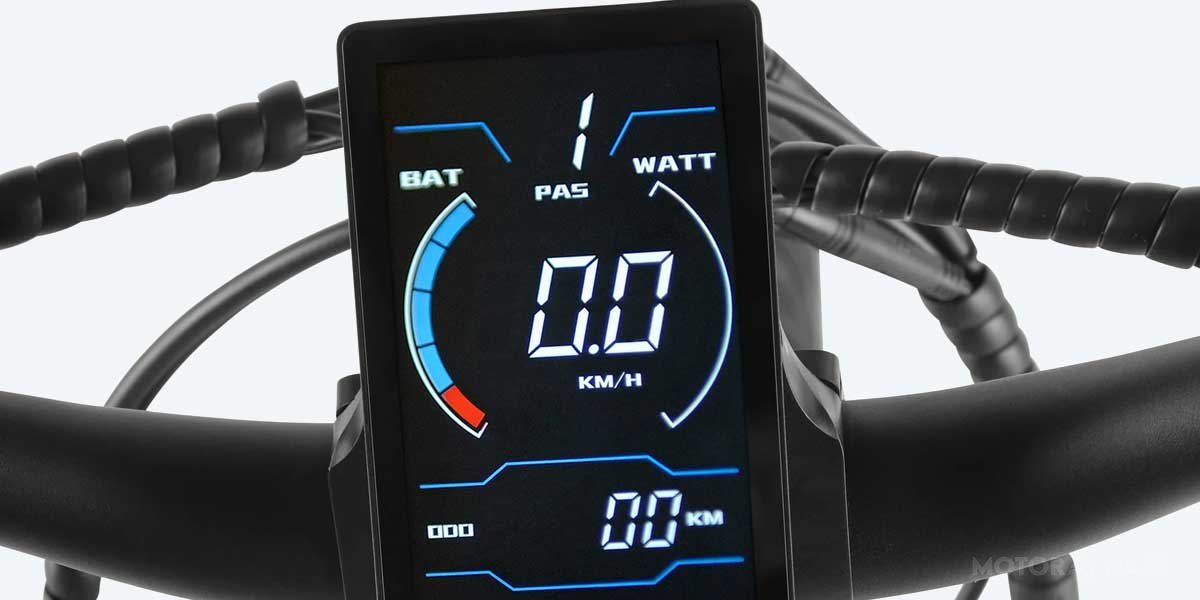
- Display readability suffers in bright sunlight.
- Warranty coverage shorter than some rivals.
- Customer service feedback mixed in rare cases.
Conclusion and Buying Insights
For urban riders who want reliability, speed, and commuter essentials baked into one package, the Abbot Rev Commuter fits the bill. It’s quick enough for city traffic, carries practical accessories, and stays affordable in a crowded e-bike market. While a few trade-offs exist—weight and warranty being chief among them—the overall package stands tall for those seeking an eco-friendly ride with performance perks.
Watch the Video Overview


F.A.Q. about Abbot Rev Commuter
What is the battery capacity of the Abbot Rev Commuter?
The bike uses a 48V 720Wh (0.72 kWh) battery, giving solid endurance for daily commutes. Riders can expect up to 72 miles (115 km) on a single charge.
How far can the Abbot Rev Commuter travel on one charge?
Maximum range is around 72 miles (115 km). Real-world commuting usually yields 40–50 miles (64–80 km), depending on assist level and terrain.
What is the top speed of this commuter e-bike?
It reaches Class 3 levels with a top speed of 28 mph (45 km/h). That’s quick enough for urban roads and bike lanes.
How long does it take to charge the battery?
Recharge time is around 5–6 hours from empty. This makes it ideal for overnight charging or topping up during the workday.
What type of motor is included?
A 500W rear hub motor powers the bike. Smooth torque sensor delivery ensures steady acceleration and responsive hill climbing.
What is the weight of the bicycle?
The bike weighs about 60 lbs (27 kg). While heavier than a standard bicycle, it remains manageable for an electric commuter.
What is the price of the Abbot Rev Commuter?
Pricing sits near $1,999.99 (£1,570 / €1,835). Financing options make it more accessible for commuters.
Which braking system is used?
Hydraulic disc brakes with 180mm rotors provide dependable stopping power. They ensure consistent control in both dry and wet conditions.
What kind of rider is it designed for?
It’s tailored for city commuters, recreational riders, and those needing a practical transport solution. Comfort, accessories, and range make it well-suited for urban use.