Geely Galaxy A7 EV 2026: Price, Range, and Technical Specs
Geely Galaxy A7 EV is a 2026 mid size electric sedan built in China on the Global Energy Architecture platform. It features a 68 kWh battery, 550 km or 342 mile CLTC range, 215 hp front wheel drive motor, and 0–100 km per hour acceleration in 7.4 seconds. With pricing starting at $22,800 USD, it offers advanced Flyme Auto digital cockpit technology and Level 2+ driver assistance in an affordable family oriented EV package.


| Starting Price | $22,800 |
| Model Year | 2026 |
| Country of Manufacturing | China |
| Battery Size | 68 kWh |
| Official Range | 342 mi |
| Power | 215 hp |
* Minimum price set for the base trim by the manufacturerr, excluding taxes and additional options

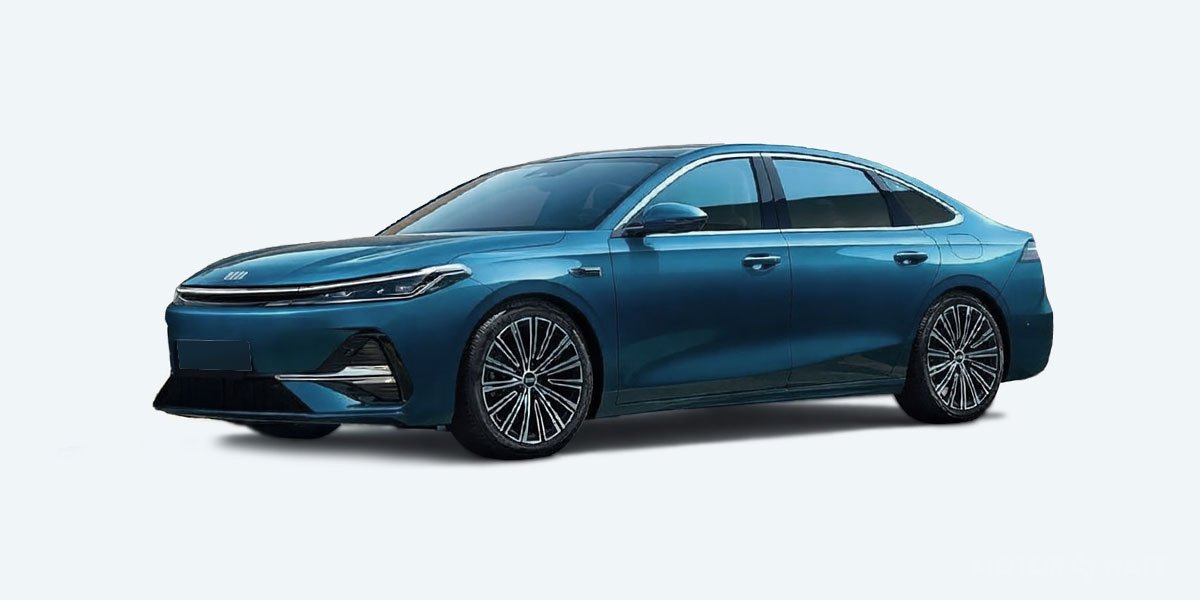
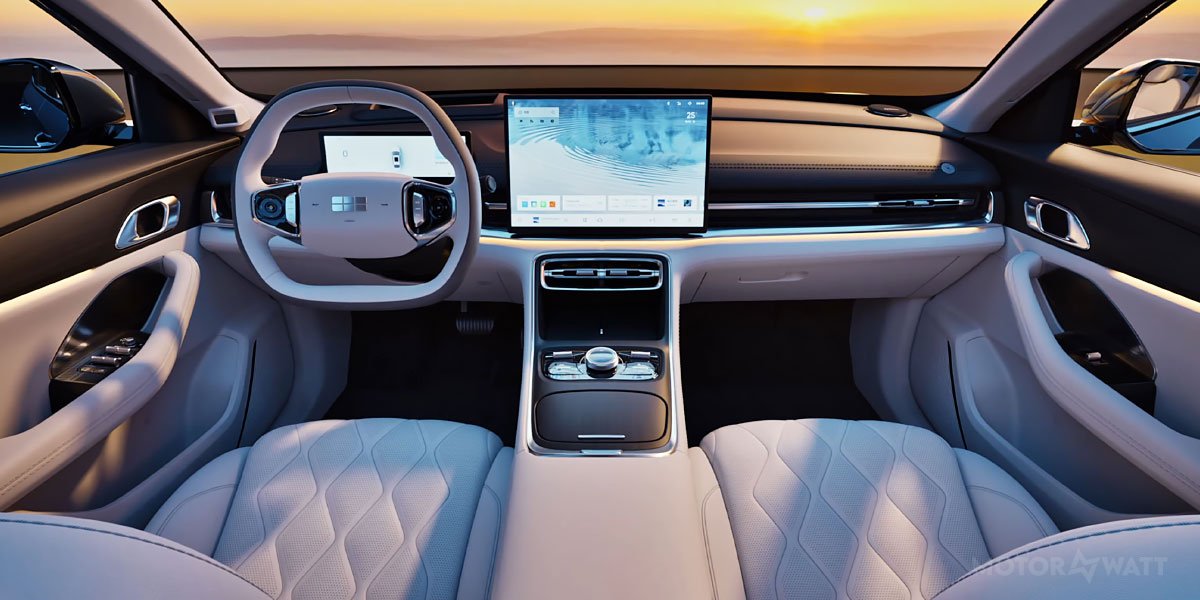
Exterior and Interior photos of Geely Galaxy A7 EV 2026


Geely Galaxy A7 EV 2026 Review: Early Impressions & Tech Analysis
Geely Galaxy A7 EV Introduction:
Geely Galaxy A7 EV enters the 2026 model year as a fresh contender in the electric sedan segment, targeting buyers who want premium tech without a luxury badge surcharge. Built in China on the Global Energy Architecture, this mid size battery electric sedan delivers a 68 kWh pack, 550 km CLTC range, and 215 hp in a practical family format. Starting at $22,800 USD (€19,339), it positions itself as an affordable yet high-tech alternative to established rivals. The fastback profile, 0.23 drag coefficient, and digital Flyme Auto cockpit underline its tech-forward character. And yes, it squarely addresses the needs of urban professionals and eco-focused families seeking space, connectivity, and efficiency in one cohesive package.
- Manufactured in China under Geely’s Galaxy sub-brand with sales launch expected mid-2026.
- Model year 2026 with early regulatory filing in February 2026.
- Base trim begins at $22,800 USD (€19,339), placing it firmly in the value-driven electric family car category.
- Introduces Flyme Auto smart cockpit and G-Pilot H3 Level 2+ driver assistance.
- Targets rivals like Tesla Model 3 and BYD Seal with larger cabin proportions.
What is the Price of Geely Galaxy A7 EV?
The Geely Galaxy A7 EV price starts at $22,800 USD (€19,339). This aggressive entry point undercuts several mid size EV rivals while offering a 68 kWh battery and 550 km range. It sits in the sweet spot between mass affordability and near-premium specification.
| Trim Level | PRICE | KEY FEATURES |
|---|---|---|
|
Base (Standard Range)
|
68 kWh battery, 215 hp front wheel drive, 550 km CLTC range, 17-inch aero wheels, 15.4-inch touchscreen, DC fast charging 10–80% in 28 minutes.
|
|
|
Plus (Long Range)
|
Extended equipment package, enhanced interior materials, advanced connectivity, Level 2+ driver assist, upgraded wheel design.
|
|
|
Flagship
|
Full G-Pilot H3 suite, premium audio, enhanced ambient lighting, 12.3-inch cluster, magnetic dashboard mounts, comprehensive smart cockpit ecosystem.
|
The trims scale logically. Base covers core electric sedan specs and daily practicality. Plus enhances comfort and connectivity. Flagship leans into premium territory with expanded driver assistance and digital sophistication. All versions maintain the same 160 kW motor and 180 km per hour top speed, equal to 112 mph.
Engine, Battery, and Performance Specs:
Battery & Charging Specifications
The 68 kWh lithium battery underpins the 550 km CLTC range, equivalent to roughly 342 miles. Real world range typically trends lower depending on speed and climate. DC fast charging replenishes from 10 percent to 80 percent in 28 minutes. That short coffee break restores around 440 km or 273 miles of driving. AC charging supports overnight replenishment for daily commuters.
- Battery capacity: 68 kWh
- Range: 550 km or 342 miles CLTC
- DC charge 10–80%: 28 minutes
- Architecture supports fast public charging
Electric Motor Specifications
A single 160 kW motor, equal to 215 hp, drives the front wheels. Torque reaches 310 Nm or 229 lb-ft, delivering crisp throttle response in urban traffic. Power flows linearly, with silent acceleration typical of a refined front wheel drive EV. Energy recuperation modes allow near one-pedal driving in aggressive settings.
- Power: 160 kW or 215 hp
- Torque: 310 Nm or 229 lb-ft
- Drive type: FWD
- Driving modes: Eco, Comfort, Sport
Performance Specifications
Acceleration from 0 to 100 km per hour takes 7.4 seconds. That equals 0 to 62 mph in the same span. Top speed reaches 180 km per hour, or 112 mph. Curb weight sits at 1,815 kg, around 4,000 pounds. The chassis tuning, influenced by Lotus engineers, prioritizes composure during high-speed maneuvers.
- 0–100 km per hour: 7.4 seconds
- Top speed: 180 km per hour or 112 mph
- Curb weight: 1,815 kg or 4,000 lb
- Wheelbase: 2,845 mm or 112 inches
For families transitioning to electric mobility, the advantages feel tangible. Long range reduces charging anxiety. Strong torque aids merging. And balanced chassis tuning supports confident highway cruising.
Exterior and Interior Features
Exterior Design
The exterior adopts the Galaxy Ripple language with a sleek fastback roofline. Length measures 4,935 mm or 194 inches. Width stands at 1,905 mm or 75 inches. Height reaches 1,500 mm or 59 inches. Drag coefficient sits at approximately 0.23 Cd, aiding efficiency. The closed front fascia improves airflow. A full width LED strip incorporates nearly 200 lighting elements. Standard 17-inch aero wheels support range optimization.
Interior & Technology
Inside, the 15.4-inch 2.5K touchscreen anchors the Flyme Auto cockpit. A 12.3-inch digital cluster delivers crisp driving data. Magnetic dashboard mounts add practical convenience. The Marshmallow SPA seats use layered composites for comfort on long drives. Cargo capacity reaches 535 liters, or 18.9 cubic feet. G-Pilot H3 integrates 11 cameras and 12 ultrasonic sensors for assisted driving and automated parking.
Exterior efficiency pairs well with interior digital sophistication. Spacious rear legroom surpasses several competitors. And the tech stack feels tailored to connected urban lifestyles.
Pros and Cons:
Pros
- Competitive starting price in mid size EV segment
- 550 km or 342 mile rated range
- Spacious cabin with 2,845 mm wheelbase
- Advanced Flyme Auto digital cockpit
- Efficient 0.23 drag coefficient design
Cons
- Front wheel drive layout limits sporty dynamics
- Charging network relies on third-party infrastructure
- CLTC range rating may vary in global cycles
Market position & Expert Data:
The mid size electric sedan market grows rapidly in 2026. According to Reuters, global EV sales increased over 25 percent year over year entering 2026. Data reveals Chinese manufacturers account for more than 60 percent of global EV output.
Research from McKinsey highlights rising demand for affordable long range EVs in urban markets. Analysts project mid price electric sedans will capture a larger share than premium models by 2027. That context strengthens the competitive footing of Geely’s offering.
Conclusion:
Geely Galaxy A7 EV delivers long range, strong efficiency, and advanced tech at a price that feels accessible. A 68 kWh battery, 215 hp motor, and 550 km rating create real everyday usability. Spacious dimensions and digital cockpit appeal to modern drivers. For buyers seeking an affordable electric sedan with premium ambition, this 2026 model deserves serious attention.
Watch the Video Overview


Full specifications
Model Specs
| Specification | Actual Data |
|---|---|
|
Model Name
|
Galaxy A7 EV
|
|
Model Year
|
2026
|
|
Vehicle Class
|
Mid size electric sedan
|
|
Body Style
|
4 door sedan
|
|
Manufacturer
|
Geely Galaxy
|
|
Country of Origin
|
China
|
|
Platform
|
Global Energy Architecture
|
Performance
| Specification | Actual Data |
|---|---|
|
Powertrain
|
Single motor BEV
|
|
Drive Type
|
Front wheel drive
|
|
Power Output
|
160 kW (215 hp)
|
|
Torque
|
310 Nm (229 lb-ft)
|
|
0–100 km/h Acceleration
|
7.4 seconds (0–62 mph in 7.4 s)
|
|
Top Speed
|
180 km/h (112 mph)
|
Battery and Charging
| Specification | Actual Data |
|---|---|
|
Battery Capacity
|
68 kWh
|
|
Charging Time DC (10–80%)
|
28 minutes
|
|
Power Type
|
Full electric BEV
|
Estimated Range Data
| Specification | Actual Data |
|---|---|
|
CLTC Range
|
550 km (342 miles)
|
Body Specifications
| Specification | Actual Data |
|---|---|
|
Length
|
4,935 mm (194 in)
|
|
Width
|
1,905 mm (75 in)
|
|
Height
|
1,500 mm (59 in)
|
|
Wheelbase
|
2,845 mm (112 in)
|
|
Curb Weight
|
1,815 kg (4,000 lb)
|
|
Cargo Capacity
|
535 liters (18.9 cu ft)
|
Exterior Design Features
| Specification | Actual Data |
|---|---|
|
Drag Coefficient
|
0.23 Cd
|
|
Standard Wheels
|
17 inch aero alloy wheels
|
|
Lighting
|
Full width LED light strip and continuous tail lamp
|
Interior Design and Materials
| Specification | Actual Data |
|---|---|
|
Seat Design
|
Marshmallow SPA multi layer composite seats
|
|
Interior Layout
|
Digital first cockpit with minimalist dashboard
|
Cabin Technical Features
| Specification | Actual Data |
|---|---|
|
Central Display
|
15.4 inch 2.5K touchscreen
|
|
Instrument Cluster
|
12.3 inch digital cluster
|
|
Driver Assistance
|
G-Pilot H3 with 11 cameras and 12 ultrasonic sensors
|
F.A.Q. about Geely Galaxy A7 EV 2026
What is the range of this mid size electric sedan on a single charge?
Galaxy A7 EV offers a rated 550 km or 342 miles CLTC range, while real world driving typically lands between 480 and 520 km depending on conditions.
- City driving improves efficiency through regenerative braking
- Highway speeds near 112 mph maximum reduce total range
- Cold weather can lower usable battery output
What is the usable battery capacity and battery type?
A7 EV uses a 68 kWh lithium battery pack, engineered for balanced energy density and daily commuting reliability.
Usable capacity remains close to the full 68 kWh figure, supporting long range electric car capability in urban and highway cycles.
How long does fast charging take from 10 to 80 percent?
Geely Galaxy A7 EV reaches 80 percent charge in about 28 minutes using DC fast charging.
- Adds roughly 440 km or 273 miles in one session
- AC charging suits overnight home replenishment
- Fast public chargers support road trip planning
What is the starting price in the USA and Europe?
Galaxy A7 EV starts at $22,800 USD (€19,339) for the base trim, positioning it as an affordable electric sedan.
Higher trims reach $29,900 USD (€25,360) with expanded smart cockpit and driver assistance features.
Is this front wheel drive EV suitable for long distance travel?
Yes, the 550 km rated range and 28 minute fast charging window support highway travel across regions.
- 180 km per hour or 112 mph top speed supports freeway cruising
- Spacious 2,845 mm wheelbase improves passenger comfort
- 535 liter cargo space fits family luggage
What maintenance requirements apply to a battery electric sedan?
Electric sedans require fewer mechanical service items than gasoline cars because they use fewer moving parts.
Owners typically focus on tire rotation, brake inspection, software updates, and battery health monitoring.
Is this electric family car suitable for cold climates in Europe?
The 68 kWh battery supports winter operation, though range may decrease in freezing temperatures.
- Preconditioning improves winter efficiency
- Regenerative braking adapts to traction levels
- Cabin insulation enhances thermal comfort
How safe is this electric sedan with Level 2 plus driver assistance?
The vehicle integrates G-Pilot H3 with 11 cameras and 12 ultrasonic sensors for adaptive cruise, lane guidance, and automated parking.
Front wheel drive stability and balanced chassis tuning contribute to confident emergency maneuver handling.
Can this battery electric vehicle be charged using renewable energy at home?
Yes, home AC charging pairs easily with rooftop solar systems or green energy utility plans.
Charging overnight during off peak hours further lowers total operating costs compared with gasoline sedans.