Mitsubishi Eclipse Cross 2026: Price, Range, and Technical Specs
The Mitsubishi Eclipse Cross 2026 is a compact electric SUV with a 60 kWh battery, front wheel drive and an estimated 420 km (about 261 miles) range, priced from around US$ 48,500 (about €42,150 / £37,060). It targets families and commuters with DC fast charging near 150 kW, modern Google based infotainment and a spacious five seat cabin.


| Starting Price | $48,500 |
| Model Year | 2026 |
| Country of Manufacturing | Japan |
| Battery Size | 60 kWh |
| Official Range | 261 mi |
| Power | 168 hp |
* Minimum price set for the base trim by the manufacturerr, excluding taxes and additional options

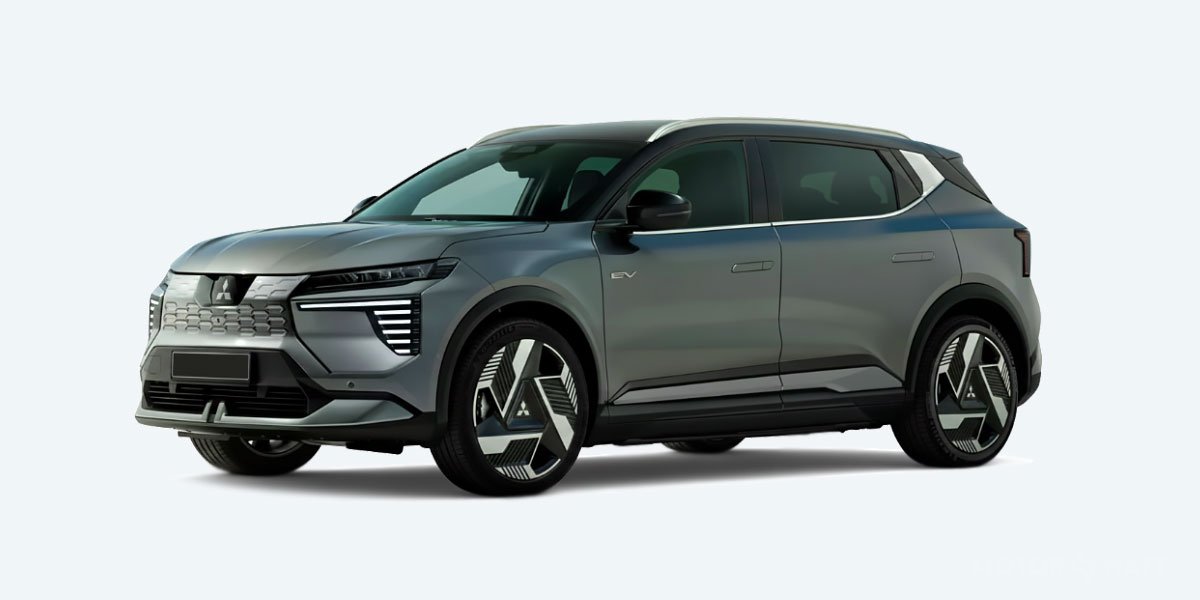
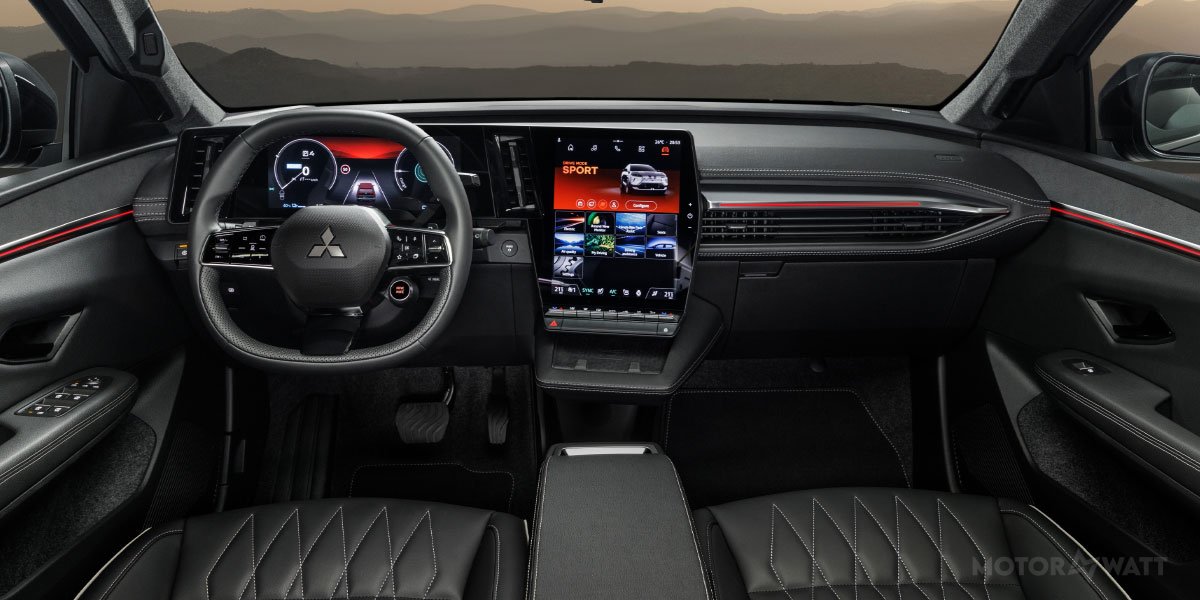
Exterior and Interior photos of Mitsubishi Eclipse Cross 2026


Mitsubishi Eclipse Cross 2026 Review: Early Impressions & Tech Analysis
Mitsubishi Eclipse Cross 2026 electric SUV overview
The Mitsubishi Eclipse Cross steps into the fully electric arena as a compact crossover aimed straight at families who want everyday ease with serious family friendly range. Built on the Alliance’s CMF EV platform, it targets the crowded European EV market with a mix of calm ride quality and long haul efficiency. Shoppers looking for an urban EV commuter that still feels ready for weekend duty will find a roomy cabin and smart tech touches. Pricing starts around US$ 48,500 (about €42,150 / £37,060) for the 2026 model year, which keeps it in play against mainstream rivals. The second BEV era for Mitsubishi in Europe arrives with a quieter cabin, cleaner drivetrain and more grown up mission for the familiar nameplate.
- The 2026 Mitsubishi Eclipse Cross BEV launches for Europe after a September 2025 reveal, riding on shared Alliance underpinnings aimed at efficient zero emissions driving.
- The project taps the CMF EV platform to deliver competitive range and packaging that suits both city streets and freeway commuting.
- Expected sales start around late 2025 in Europe, with a starting price near US$ 48,500 (about €42,150 / £37,060) based on sibling model guidance.
- Positioning centers on an accessible compact electric crossover that undercuts premium entries while still offering an spacious EV cabin and long range battery tech.
- Mitsubishi leans on warranty assurance, advanced driver assistance tech and generous equipment to reassure buyers moving from combustion to a full Eclipse Cross BEV.
Battery, Range and Performance:
Battery, Charging and Range
In base data, the 2026 electric crossover uses a 60 kWh long range battery pack rated at about 420 km (around 261 miles) on a single charge, with energy use tailored to urban EV commuter duty and school run hops. Platform information points to an 87 kWh option in other regions, so buyers can expect a roadmap that favors a long range battery pack for highway hauls. AC charging up to typical 11 to 22 kW supports home wallbox use, while public DC fast charging reaches around 150 kW, taking the pack from low charge to 80 percent in well under an hour. Daily drivers who lean on one pedal driving will appreciate brake regen that works through regenerative braking paddles on the steering wheel. The overall goal stays clear, to keep range anxiety out of the picture while supporting zero emissions driving across mixed conditions.
- Battery capacity around 60 kWh for the listed configuration, with a larger long range pack available in allied markets.
- Range near 420 km (about 261 miles) on a single charge, tuned for family friendly range rather than outright speed runs.
- AC charging support up to typical 11 to 22 kW for home and workplace use, matching the wider European EV market infrastructure.
- DC fast charging capability around 150 kW, giving a useful top up during a short coffee stop on the motorway.
- Support for bidirectional charging in allied architectures points toward vehicle to load flexibility for camping or emergency power.
Performance Specifications
Where performance is concerned, power output stands at roughly 168 hp (about 125 kW) in the given data, routed to a front wheel drive EV layout. That means brisk, predictable pull away from lights, though full throttle runs stay more relaxed than hot hatch sharp. The 0 to 100 km/h figure of 9 seconds (about 0 to 62 mph) and a top speed of 170 km/h (around 106 mph) underline the focus on efficiency rather than bragging rights. Steering weight stays light for city parking, while the chassis tuning prefers comfort over aggressive cornering. With one pedal driving available in higher regen settings and MI PILOT Assist taking the strain on longer trips, the driving experience should feel easy going for new EV adopters.
- Power listed at around 168 hp (about 125 kW), aligned with the family oriented compact electric crossover class.
- Front motor layout for a clean front wheel drive EV experience suited to slippery urban streets.
- Acceleration from 0 to 100 km/h in roughly 9 seconds, adequate for freeway on ramps and overtakes.
- Top speed around 170 km/h, which equals roughly 106 mph and more than enough for European motorway limits.
- Drive modes including Eco, Normal and Sport plus a B mode for strong regen match the hardware seen in other CMF EV platform models.
Beyond the configuration in the core data set, other markets highlight a longer range Iconic trim with an 87 kWh pack and roughly 215 hp output plus a medium range version tuned for city range and lower pricing, both aligned with the same Mitsubishi electric SUV formula.
Exterior and Interior Features
Exterior design and presence
On the outside, the electric crossover borrows its basic stance from Alliance cousins yet receives sharper front and rear styling with Mitsubishi cues and a coupe influenced roofline. Dimensions around 4,400 mm in length (about 173 inches), 1,855 mm in width (about 73 inches) and 1,655 mm in height (about 65 inches) keep it tidy in parking structures while offering the taller seating position buyers expect. Lighting hardware features full LED signatures and a crisp daytime running pattern that gives the car a modern identity at night. Wheel sizes run from more efficient aero designs to larger alloys that fill the arches for a sportier look. Higher trims elevate the vibe with a panoramic glass roof that opens up the cabin and an electrochromic roof function that tints the glass electronically when sun glare hits.
Interior space, tech and comfort
Inside, the focus lands on a spacious EV cabin with flat floor packaging and generous rear legroom for a compact footprint. The centerpiece is a tall portrait display that hosts Google built in infotainment, navigation and app support with voice control that feels natural for drivers used to smartphones. Physical controls for core climate tasks stay close at hand, while a high resolution digital cluster pairs with head up display features in upper trims. Material choices lean toward soft touch surfaces, with contrasting fabrics and metallic highlights that lift perceived quality over earlier Mitsubishi cabins. Families will appreciate clever storage, sliding rear seating and a cargo bay that handles strollers, sports kit and the weekly shop without complaint.
Pros and Cons:
Pros
- Strong family friendly range for a compact crossover thanks to efficient use of each kWh.
- Quiet ride and relaxed demeanor suit commuting and longer weekend drives for an urban EV commuter.
- Roomy spacious EV cabin with flat floor packaging and flexible rear seating for growing families.
- Modern Google built in infotainment with over the air updates and smart navigation in line with the wider European EV market.
- Strong roster of advanced driver assistance features including MI PILOT Assist and a wide ADAS suite.
Cons
- Charging peak around 150 kW trails newer rivals that climb beyond 200 kW on high power hardware.
- No all wheel drive variant yet, which limits appeal for snow belt buyers who want extra traction.
- Steering feel stays light and filtered, which will not appeal to drivers who prioritize sharp feedback.
- Pricing near US$ 48,500 (about €42,150 / £37,060) places it close to better known rivals from Hyundai and Chevrolet.
- Some cabin elements still show their shared platform roots, which keen shoppers may notice when cross shopping.
Prices depending on the trim and options:
The initial guidance pegs the 2026 electric crossover at a starting price of about US$ 48,500 (roughly €42,150 / £37,060) for a well equipped base configuration. In related markets, an Iconic long range trim with the 87 kWh pack aligns with that band, while a medium range specification sits closer to US$ 43,000 (about €37,370 / £32,860) and targets value focused buyers. Those differences reflect battery size, wheel choice, feature content and minor styling tweaks more than core performance changes. For shoppers, the smart play lies in balancing road trip range needs with available charging at home and work.
Summary: everyday electric crossover for real drivers
For shoppers weighing their first dedicated BEV crossover, the Mitsubishi Eclipse Cross serves up the right mix of efficiency, cabin space and easygoing manners for daily life. Range near 420 km (about 261 miles) and measured performance keep life simple, while DC fast charging and home wallbox support cover most use cases. Tech fans gain modern Google built in infotainment, strong advanced driver assistance coverage and one pedal driving that quickly feels natural in traffic. Families gain a spacious EV cabin with clever storage and sliding seating that keeps everyone comfortable on freeway runs from Los Angeles to weekend getaways. In short, the electric crossover aims at real world use first, with a calm, confident personality that suits drivers stepping out of gasoline compact SUVs.
Watch the Video Overview


Full specifications
Model Specs
| Specification | Actual Data |
|---|---|
|
Model name
|
Mitsubishi Eclipse Cross
|
|
Model Year
|
2026
|
|
Country of Origin
|
Japan (designed) - Manufactured in France (Europe launch)
|
|
Manufacturer
|
Mitsubishi Motors
|
|
Body Type
|
Compact SUV / Crossover
|
|
Power Type
|
Full-electric
|
Performance
| Specification | Actual Data |
|---|---|
|
Powertrain
|
Single electric motor (front-mounted)
|
|
Drive Type
|
FWD
|
|
Peak Power Output
|
125 kW - 168 hp (60 kWh variant) or 160 kW - 215 hp (87 kWh long-range variant)
|
|
Peak Torque
|
280 Nm (60 kWh) or 300 Nm - 221 lb ft (87 kWh)
|
|
Maximum Speed
|
170 km/h - 106 mph
|
|
Acceleration 0-62 mph (0-100 km/h)
|
9 seconds (60 kWh) or 8.4 seconds (87 kWh)
|
|
Drive Modes
|
Eco - Normal - Sport - B mode (regenerative)
|
Battery and Charging
| Specification | Actual Data |
|---|---|
|
Battery Capacity
|
60 kWh (medium-range) or 87 kWh (long-range)
|
|
Battery Type
|
Lithium-based (NMC for long-range)
|
|
Fast Charging Rate
|
Up to 150 kW (DC)
|
|
Charging Time (0% to 80%)
|
Under 60 minutes (DC 150 kW) or roughly 25-30 minutes for 10-80% (estimated)
|
|
AC Charging Power
|
Up to 11-22 kW
|
|
Other
|
Bidirectional charging support - Regenerative braking with paddles and one-pedal driving
|
Estimated Range Data
| Specification | Actual Data |
|---|---|
|
WLTP Range
|
Approximately 420 km - 261 miles (60 kWh) or up to 600 km - 373 miles (87 kWh)
|
Body Specifications
| Specification | Actual Data |
|---|---|
|
Length
|
4470 mm - 176 inches
|
|
Width
|
1860 mm - 73.2 inches
|
|
Height
|
1570 mm - 61.8 inches
|
|
Wheelbase
|
2785 mm - 109.6 inches
|
Exterior Design Features
| Specification | Actual Data |
|---|---|
|
Design Style
|
Coupe-influenced roofline - Sharper front and rear styling with Mitsubishi cues
|
|
Lighting
|
Full LED signatures and daytime running lights
|
|
Wheels
|
Aero-efficient designs to larger alloys (19-20 inch)
|
|
Other
|
Panoramic glass roof (higher trims) with electrochromic tinting function
|
Interior Design and Materials
| Specification | Actual Data |
|---|---|
|
Seating Capacity
|
5
|
|
Materials
|
Soft-touch surfaces - Contrasting fabrics - Metallic highlights - Quiet cabin
|
|
Other
|
Spacious cabin with flat floor - Sliding rear seating - Flexible storage and cargo
|
Cabin Technical Features
| Specification | Actual Data |
|---|---|
|
Displays
|
Vertical 12.3 inch Smartphone-link Display Audio (SDA) - High-resolution digital cluster - Head-up display (upper trims)
|
|
Infotainment
|
Google built-in with navigation - App support - Voice control - Over-the-air updates - Wireless Apple CarPlay and Android Auto - Harman Kardon premium sound (higher trims)
|
|
Drive Assistants
|
MI PILOT Assist - Up to 20 ADAS features including adaptive cruise - Forward collision mitigation - Lane keeping - Blind spot monitoring
|
|
Other
|
Mitsubishi mobile app for remote control - FOTA updates - Four drive modes (Personal - Eco - Comfort - Sport)
|
F.A.Q. about Mitsubishi Eclipse Cross 2026
What is the driving range on a single charge?
The usable battery and efficiency target a range around 420 km (about 261 miles) in mixed use, shaped for commuters and families. In that context the Mitsubishi Eclipse Cross lands near the sweet spot between city focus and highway comfort.
What is the top speed of the model?
Top speed is listed at about 170 km/h, equal to roughly 106 mph, which suits European motorway limits. That figure gives comfortable reserve for overtakes without chasing high speed bragging rights.
How powerful is the electric motor setup?
Output sits around 168 hp which equals roughly 125 kW, feeding a single motor on the front axle. That level keeps acceleration brisk enough for freeway ramps while keeping consumption reasonable.
How quickly does the battery charge from low state?
On a typical home wallbox, AC charging around 11 to 22 kW handles overnight top ups from low charge to full. At public DC fast chargers, power near 150 kW can take the pack from low state to 80 percent in well under an hour.
What kind of drivetrain layout is used?
The configuration favors a front wheel drive EV setup with a single motor and compact power electronics. That approach simplifies packaging, aids weight distribution and keeps costs lower than dual motor systems.
How large is the battery in kilowatt hours?
The configuration in the data sheet uses a 60 kWh pack, while allied markets also mention an 87 kWh long range option. Both setups pair lithium based cells with thermal management tuned for repeated DC fast charging and cold weather operation.
What price bracket should buyers expect?
Pricing guidance points to a starting figure near US$ 48,500 (about €42,150 / £37,060) before local incentives and fees. In that context the Mitsubishi Eclipse Cross slots alongside mainstream compact EV rivals rather than luxury entries.
Is the car suitable for family use and daily commuting?
Cabin space, flat floor packaging and a generous cargo bay make the crossover friendly for school runs, shopping and weekend trips. With a mix of range, reasonable charging times and driver assistance, it suits both daily commuting and longer journeys.