Moke Car: Price, Range, and Technical Specs
The Moke Car is a retro-inspired electric cabriolet priced at $41,900 (€38,500), offering a 120 km (75 mi) range, 12 kWh battery, and 20 hp motor. It’s built for urban use with a top speed of 40 km/h (25 mph) and flexible cargo-friendly seating.


| Starting Price | $41,900 |
| Model Year | 2022 |
| Country of Manufacturing | USA |
| Battery Size | 12 kWh |
| Official Range | 75 mi |
| Power | 20 hp |
* Minimum price set for the base trim by the manufacturerr, excluding taxes and additional options

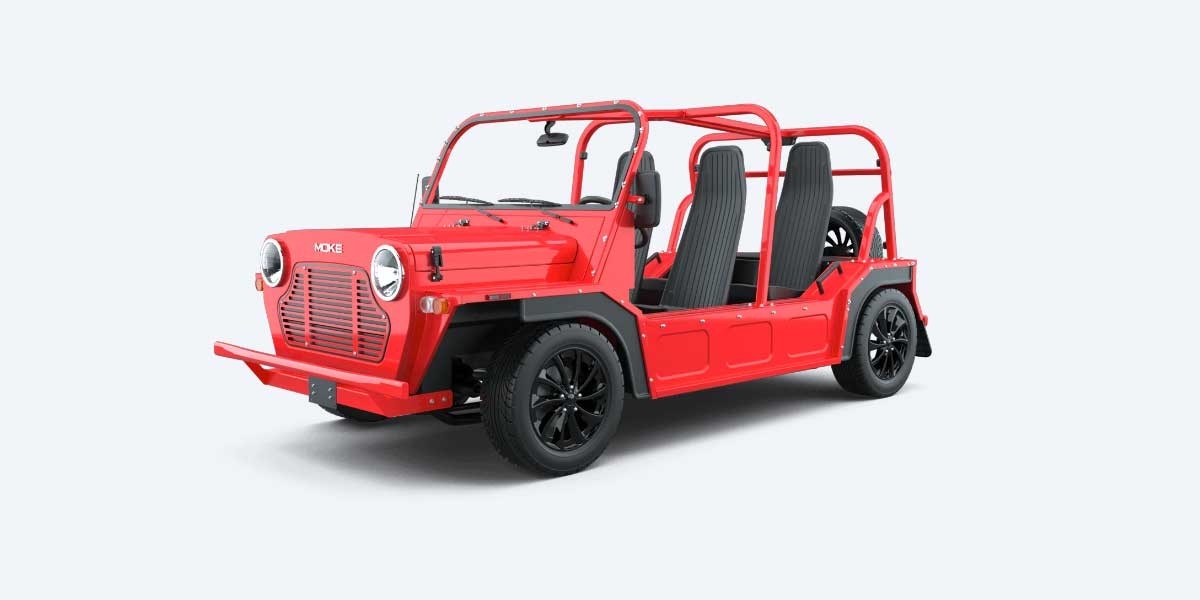
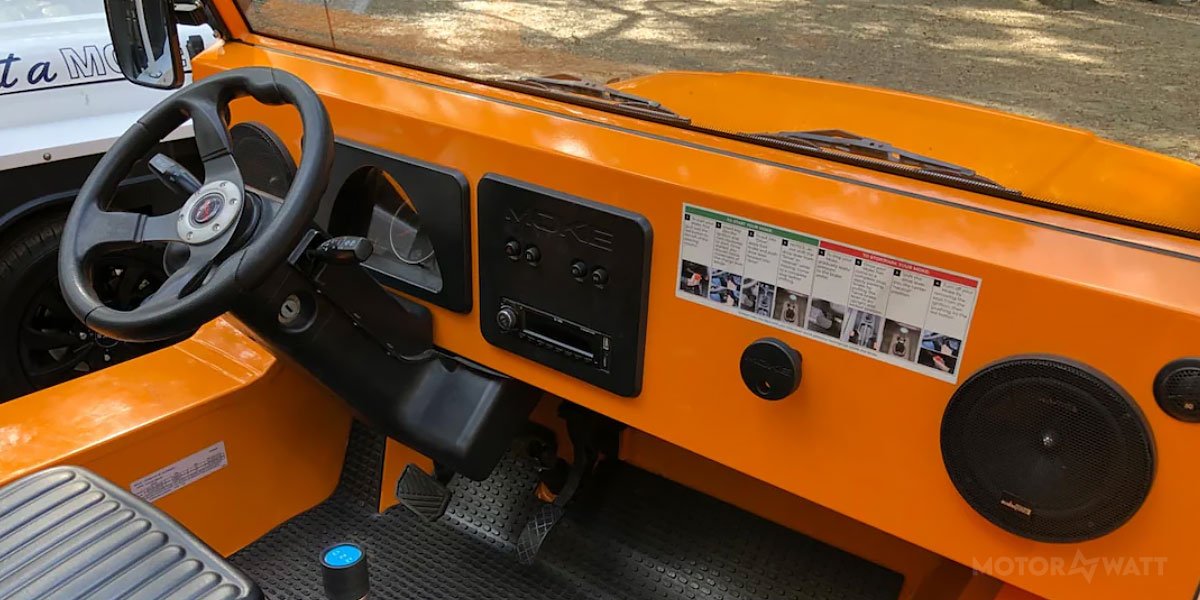
Exterior and Interior photos of Moke Car


Moke Car Review: Early Impressions & Tech Analysis
Moke Car: A Classic Recharged for the Electric Era
If you’ve ever wanted a car that turns every grocery run into a photo op, the Moke Car is calling your name. Born from British military roots and reborn as an electric cabriolet in the USA, it’s priced at just $41,900 (€38,500). This isn’t a commuter workhorse—it’s your weekend escape pod, your coastal cruiser, your downtown head-turner. And it’s got charm in spades.
- Available since 2022 – the Moke Car has quickly gained popularity among urbanites and resort communities.
- Priced at $41,900 (€38,500) – one of the most affordable and stylish low-speed EVs on the U.S. market.
- Made in the USA – bringing vintage design and clean energy together for a new generation of drivers.
Moke Car Specs: Built for City Streets, Not Speed Records
Battery and Range
Powered by a 12 kWh battery, the Moke Car delivers a modest 120 km (75 mi) range per charge. That’s plenty for zipping around town, doing brunch runs, or enjoying a quiet ride by the beach. It’s designed for short bursts, not long hauls—and it charges easily from a standard outlet.
- Battery capacity: 12 kWh
- Range: 120 km (75 miles)
- Charging: Standard household charging
Performance and Drivetrain
With 20 horsepower and a top speed of 40 km/h (25 mph), this cabrio won’t be racing Teslas—but that’s not the point. It’s a low-speed vehicle optimized for resort living, gated communities, and urban zones. The front-wheel-drive setup keeps handling light and predictable.
- Power: 20 hp
- Top speed: 40 km/h (25 mph)
- Drive type: Front-Wheel Drive (FWD)
Acceleration? Irrelevant. Vibes per mile? Through the roof.
Moke Car Exterior and Interior: Military Chic Meets Modern Minimalism
Exterior
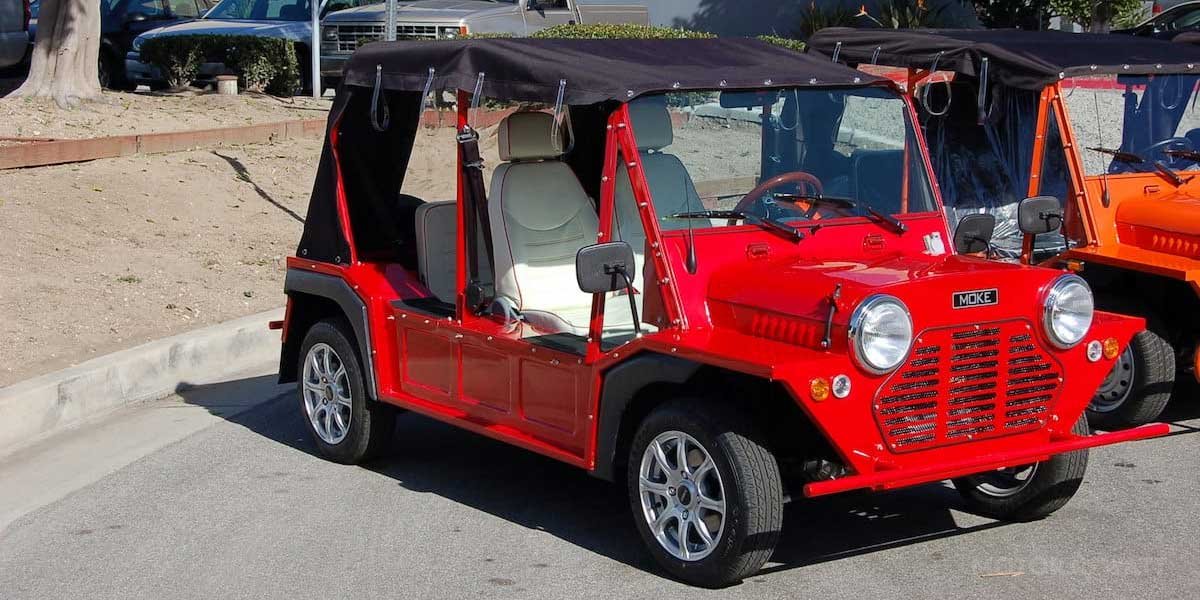
Styled straight out of the swinging '60s, the Moke Car wears its retro vibes with pride. A boxy frame, exposed fenders, and big round headlights scream nostalgia, while bold color choices keep things playful. And being a cabriolet, you can go full open-air in seconds.
Interior
Inside, you get flexible rear seating, minimalist controls, and a trunk big enough for beach chairs or a farmer’s market haul. It’s not padded with leather or gadgetry—it’s designed to be simple, useful, and incredibly fun.
Moke Car Pros and Cons
Pros
- Affordable price at $41,900 (€38,500)
- Unique retro styling with modern electric tech
- Perfect for short trips, resorts, and city living
- Convertible top with open-air fun
- Zero emissions and quiet ride
Cons
- Low top speed (40 km/h / 25 mph)
- Limited 120 km (75 mi) driving range
- Not highway legal
- Small battery limits long-distance capability
Moke Car Conclusion: Simple, Sunny, and Seriously Cool
If your driving life is more beach club than Autobahn, the Moke Car delivers carefree motoring with a side of nostalgia. It’s perfect for short hops, second homes, and sunny days. Think of it less as a vehicle and more as your own rolling conversation starter—with zero tailpipe emissions.
Watch the Video Overview

Full specifications
<>
| Power | 14.9 kW / 20 hp |
| Range | 120 km / 74.6 miles |
| Max Speed | 40 km/h / 24.9 mph |
| Battery Capacity | 12 kWh / 43.2 MJ |
| Price | $41,900 / €39,728 / £34,998 |
</>
F.A.Q. about Moke Car
What is the battery capacity of the Moke Electric Car?
The Moke Car features a 12 kWh battery, ideal for short-distance urban and resort driving.
What is the driving range of the Moke Car?
The vehicle provides up to 120 km (75 miles) on a single charge—perfect for city use.
What is the price of the Moke Car?
It starts at $41,900, which is approximately €38,500 based on current exchange rates.
How fast can the Moke Car go?
The top speed is limited to 40 km/h (25 mph), making it suitable for low-speed zones.
Is the Moke Car highway legal?
No, it is classified as a low-speed vehicle and not legal for highways or high-speed roads.
What type of drivetrain does it use?
It has a front-wheel-drive (FWD) configuration, providing simple and stable handling.
Can you drive the Moke Car in the rain?
Yes, the car includes a retractable top and waterproof interior components for basic weather protection.
How long does it take to charge?
Charging from a standard home outlet typically takes several hours, depending on the outlet’s voltage.
How many passengers can the Moke Car carry?
It seats up to four, with flexible rear seating and fold-down cargo options.