Saic Z7 2026: Price, Range, and Technical Specs
SAIC Z7 is a 2026 electric coupe style sedan developed by SAIC Motor and Huawei’s Harmony Intelligent Mobility Alliance. The vehicle features an 82 kWh battery delivering up to 650 km (404 miles) of range and a rear wheel drive motor producing 288 horsepower. Acceleration to 100 km/h takes about 5.9 seconds while top speed reaches 210 km/h. Pricing begins around $28,400 (€24,520), positioning the Z7 as an affordable premium electric sedan with advanced HarmonyOS digital cockpit technology and intelligent driving features.

| Starting Price | $28,400 |
| Model Year | 2026 |
| Country of Manufacturing | China |
| Battery Size | 82 kWh |
| Official Range | 404 mi |
| Power | 288 hp |
* Minimum price set for the base trim by the manufacturerr, excluding taxes and additional options

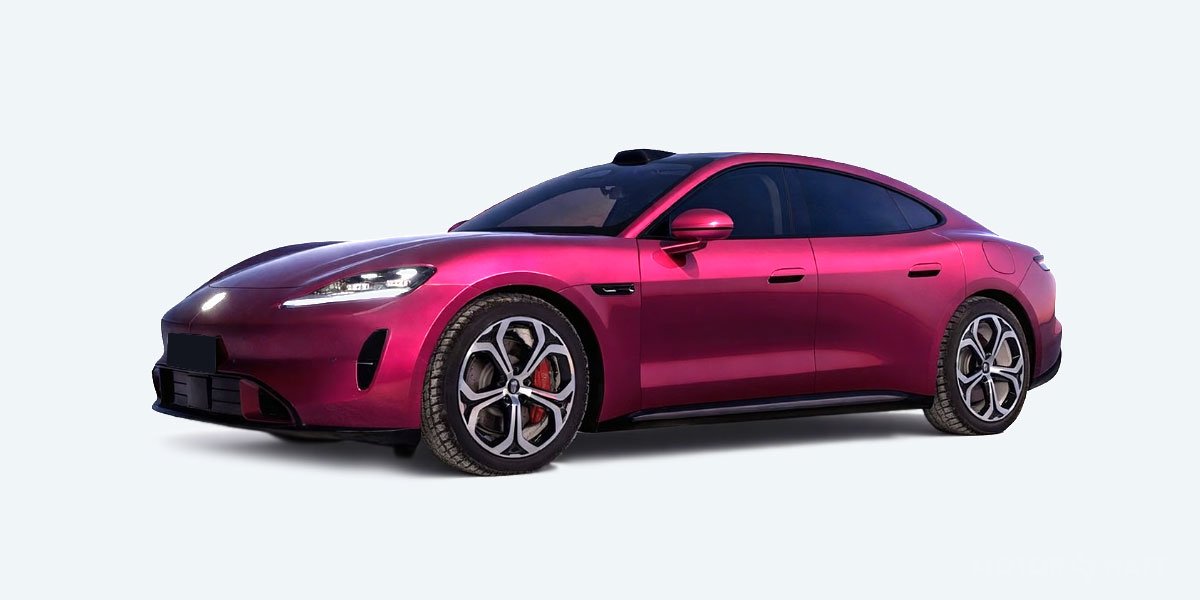
Exterior and Interior photos of Saic Z7 2026


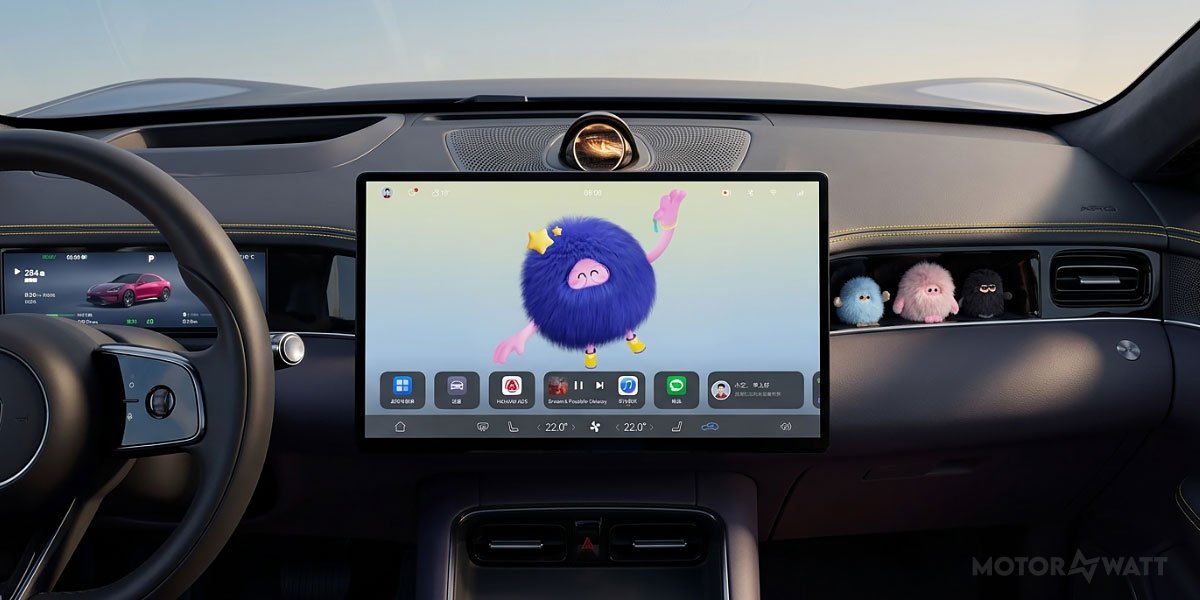
Saic Z7 2026 Review: Early Impressions & Tech Analysis
SAIC Z7 Electric Coupe Sedan Overview
Huawei Saic Z7 enters the 2026 electric vehicle arena as a sleek coupe style sedan built in China through a collaboration between SAIC Motor and Huawei’s Harmony Intelligent Mobility Alliance. The model targets drivers who crave technology rich mobility paired with strong performance credentials. A streamlined fastback silhouette and long wheelbase give the vehicle a premium presence usually reserved for far pricier electric sedans. Power flows through a rear wheel drive layout producing 288 horsepower, or about 215 kilowatts, while an 82 kWh battery supports an estimated 650 kilometers, roughly 404 miles, of electric driving range. High voltage architecture and advanced digital cockpit systems place the car squarely among next generation connected vehicles. And for many buyers the appeal centers on accessible pricing, beginning around $28,400 USD (€24,520). Buyers seeking an electric coupe sedan with an advanced HarmonyOS cockpit EV platform gain a compelling option designed around intelligent electric vehicle platform technology.
- Manufactured by SAIC Motor in China and unveiled globally in early 2026 as part of Huawei’s Harmony Intelligent Mobility Alliance.
- Positioned as a premium electric sedan built to rival performance EVs while keeping an accessible starting price.
- Introduced with advanced HarmonyOS cockpit technology delivering a fully connected digital vehicle experience.
- Launch pricing begins at $28,400 USD (€24,520) placing it well below many European electric performance sedans.
- Targeted toward technology driven drivers who value software integration and long electric driving range.
What is the Price of SAIC Z7?
The SAIC Z7 price starts at $28,400 USD (€24,520). That figure places the base model among the most competitively priced premium electric fastback sedans in the global EV market.
| Trim Level | PRICE | KEY FEATURES |
|---|---|---|
|
Z7 Air
|
Rear wheel drive electric sedan delivering 288 hp from a single motor. An 82 kWh battery provides up to 650 km or about 404 miles of driving range. Features Huawei HarmonyOS cockpit, digital displays, advanced driver assistance sensors, and aerodynamic fastback design.
|
|
|
Z7 Plus
|
Long range configuration expanding driving range toward 750 km or 466 miles. Adds enhanced comfort seating, upgraded wheels, and extended driver assistance functions integrated through Huawei’s digital ecosystem.
|
|
|
Z7 Max
|
All wheel drive configuration delivering stronger acceleration and improved traction. Includes LiDAR based autonomous driving sensors, augmented reality head up display, and extended intelligent mobility capabilities.
|
|
|
Z7 Ultra
|
Performance focused electric sedan offering enhanced chassis tuning, premium interior materials, upgraded braking system, and expanded autonomous driving features.
|
Across the lineup the electric sedan range focuses on performance oriented efficiency and advanced connectivity. The base trim already includes a large battery pack, intelligent driver assistance hardware, and premium digital cockpit displays. Higher trims bring stronger acceleration, all wheel drive traction, and additional luxury equipment. Buyers gain a strong value proposition compared with established electric sedans in the same performance category.
Engine, Battery, and Performance Specs:
Battery & Charging Specifications
The electric fastback sedan runs on an 82 kWh lithium battery pack engineered for high efficiency and long distance driving. Estimated driving range reaches around 650 kilometers, equivalent to roughly 404 miles under the CLTC cycle. High voltage architecture enables rapid DC charging, raising battery capacity from about 30 percent to 80 percent within roughly fifteen minutes. AC charging through home stations takes about 8.5 hours for a full battery refill. Such charging performance supports daily commuting as well as long distance highway travel.
- Battery capacity: 82 kWh
- Estimated range: 650 km / 404 miles
- DC fast charging: about 15 minutes from 30 to 80 percent
- AC charging: approximately 8.5 hours full recharge
Electric Motor Specifications
Propulsion relies on a single rear mounted electric motor delivering 288 horsepower or about 215 kilowatts. Torque reaches approximately 410 newton meters, equal to roughly 302 pound feet. Rear wheel drive layout provides balanced weight distribution and responsive steering feel. Electric torque arrives instantly, allowing smooth acceleration from city speeds through highway cruising.
- Power output: 288 hp / 215 kW
- Torque: 410 Nm / 302 lb ft
- Drive type: rear wheel drive
- Powertrain type: full electric
Performance Specifications
Acceleration from zero to 100 km/h arrives in about 5.9 seconds. That figure equals roughly 0 to 62 mph performance. Top speed reaches approximately 210 km/h, or about 130 mph. The intelligent chassis system uses double wishbone front suspension paired with multi link rear geometry. Variable damping helps maintain ride comfort across rough urban roads while preserving stability during spirited driving.
- 0 to 100 km/h acceleration: 5.9 seconds
- Top speed: 210 km/h / 130 mph
- Suspension: double wishbone front, multi link rear
Drivers searching for a long range electric sedan receive efficient energy management, smooth acceleration, and comfortable ride control. Huawei software integration adds intelligent driving functions and digital cockpit connectivity.
Exterior and Interior Features
Exterior Design
The exterior design presents a coupe style silhouette with aerodynamic proportions. Body length reaches 4997 millimeters, or about 196.7 inches, supported by a long 3000 millimeter wheelbase. Wide body proportions create a low stance that reinforces performance identity. Front lighting uses split optical clusters and dot matrix illumination technology. Integrated air curtains and an active grille manage airflow across the vehicle body. Frameless mirrors and semi hidden door handles contribute to a clean side profile. A continuous glass canopy flows across the roofline. Rear styling introduces the distinctive Star River lighting signature, visible during night driving. The visual result resembles luxury electric sports sedans costing far more.
Interior & Technology
Inside the cabin the design philosophy focuses on digital connectivity and minimalist styling. The dashboard houses a 15.6 inch central touchscreen with 2.5K resolution paired with a 10.25 inch digital instrument display. An augmented reality head up display projects navigation graphics directly onto the windshield. HarmonyOS software connects smartphones, cloud services, and home devices within a unified digital environment. Sustainable interior materials include vegan leather and recycled microfiber suede surfaces. Seats include ventilation and multi point massage functions even in entry configurations. Advanced driver assistance technology uses LiDAR sensors and high definition cameras to support autonomous driving features.
Exterior aerodynamics and digital interior architecture create an engaging ownership experience. The electric sedan appeals strongly to drivers who prioritize advanced software and connected mobility features.
Pros and Cons:
Pros
- Strong electric driving range reaching around 650 km
- Advanced HarmonyOS intelligent cockpit system
- Competitive pricing within premium electric sedan category
- High voltage charging system enabling rapid battery refills
- Aerodynamic coupe design resembling luxury sports sedans
Cons
- Brand recognition outside China remains limited
- Limited charging infrastructure compatibility in some regions
- Interior material choices lean toward technology rather than traditional luxury
- Global availability may remain restricted initially
Summary of SAIC Z7
SAIC Z7 represents a new wave of intelligent electric sedans built around software driven mobility. A sleek fastback design, 650 km electric driving range, and Huawei HarmonyOS digital cockpit define its character. Accessible pricing near $28,400 USD (€24,520) adds strong appeal among technology focused drivers. Buyers seeking a connected electric coupe sedan gain a compelling option built around advanced software integration and long distance electric capability.
Watch the Video Overview


Full specifications
Model Specs
| Specification | Actual Data |
|---|---|
|
Model Name
|
Z7
|
|
Model Year
|
2026
|
|
Vehicle Class
|
Premium electric fastback sedan
|
|
Body Style
|
4 door coupe style fastback sedan
|
|
Manufacturer
|
SAIC Motor
|
|
Country of Origin
|
China
|
|
Technology Partnership
|
Huawei Harmony Intelligent Mobility Alliance
|
|
Software Ecosystem
|
HarmonyOS smart cockpit platform
|
Performance
| Specification | Actual Data |
|---|---|
|
Power Type
|
Fully electric powertrain
|
|
Motor Power
|
288 hp (215 kW)
|
|
Torque
|
410 Nm (302 lb ft)
|
|
Drive Type
|
Rear wheel drive
|
|
Top Speed
|
210 km/h (130 mph)
|
|
Acceleration
|
0 to 100 km/h in 5.9 s (0 to 62 mph)
|
|
Chassis Layout
|
Front double wishbone, rear multi link suspension
|
Battery and Charging
| Specification | Actual Data |
|---|---|
|
Battery Capacity
|
82 kWh lithium battery
|
|
High Voltage Architecture
|
800V electric architecture
|
|
Fast Charging
|
30 percent to 80 percent in about 15 minutes
|
|
AC Charging Time
|
About 8.5 hours full charge
|
|
Charging Type
|
DC fast charging and AC home charging
|
Estimated Range Data
| Specification | Actual Data |
|---|---|
|
CLTC Electric Range
|
650 km (404 miles)
|
|
Estimated Real World Range
|
500 to 580 km (310 to 360 miles)
|
|
Urban Range Estimate
|
Up to 680 km (422 miles)
|
|
Highway Range Estimate
|
Around 520 km (323 miles)
|
|
Cold Weather Range Estimate
|
About 450 km (280 miles)
|
Body Specifications
| Specification | Actual Data |
|---|---|
|
Length
|
4997 mm (196.7 in)
|
|
Width
|
1960 mm (77.2 in)
|
|
Height
|
1455 mm (57.3 in)
|
|
Wheelbase
|
3000 mm (118.1 in)
|
|
Cargo Capacity
|
520 liters (18.4 cubic feet)
|
|
Curb Weight
|
2150 kg (4,740 lb)
|
Exterior Design Features
| Specification | Actual Data |
|---|---|
|
Body Design
|
Aerodynamic coupe style fastback sedan
|
|
Lighting System
|
Split headlight clusters with dot matrix lighting
|
|
Rear Lighting
|
Star River signature LED taillights
|
|
Aerodynamic Features
|
Active grille system and integrated air curtains
|
|
Exterior Details
|
Frameless mirrors, semi hidden door handles, panoramic glass canopy
|
Interior Design and Materials
| Specification | Actual Data |
|---|---|
|
Interior Theme
|
Minimalist digital cockpit design
|
|
Seat Materials
|
Vegan Nappa leather and recycled microfiber suede
|
|
Seat Comfort Features
|
Ventilated seats with multi point massage system
|
|
Cabin Space
|
Long wheelbase layout improving rear passenger room
|
Cabin Technical Features
| Specification | Actual Data |
|---|---|
|
Central Display
|
15.6 inch touchscreen with 2.5K resolution
|
|
Digital Instrument Cluster
|
10.25 inch digital driver display
|
|
Head Up Display
|
Augmented reality windshield projection
|
|
Autonomous Driving System
|
Huawei ADS 3.0 driver assistance suite
|
|
Sensors
|
Roof mounted LiDAR with high definition cameras
|
|
Digital Ecosystem
|
HarmonyOS smart cockpit with smartphone and smart home integration
|
F.A.Q. about Saic Z7 2026
What is the real range on a single charge for a premium electric fastback sedan like this?
In everyday driving, real world range usually lands below the official CLTC figure. For the SAIC Z7, a practical estimate sits around 310 to 360 miles, or about 500 to 580 km, depending on speed, weather, wheel choice, and climate control use.
How long does fast charging take on an 800V electric sedan?
DC fast charging takes about 15 minutes from 30 percent to 80 percent under ideal conditions. That quick stop supports road trips far better than older EV systems with slower charging curves.
How long does a full home charge usually take?
Using AC charging, a full recharge takes about 8.5 hours. In simple terms, overnight charging fits the routine for most commuters in the USA and Europe.
Is a rear wheel drive electric sedan good in daily driving?
Yes, rear wheel drive usually brings cleaner steering feel and balanced road manners. It also gives the car a more engaging character than many front wheel drive electric sedans.
How quick is acceleration compared with a gasoline sports sedan?
Zero to 62 mph, or 100 km/h, in 5.9 seconds feels brisk in daily traffic. Instant electric torque also makes passing and city merging feel sharper than the raw number suggests.
What battery size does this model use?
The SAIC Z7 uses an 82 kWh battery pack. That capacity gives it a strong middle ground between long range usability, charging speed, and weight control.
How much cargo space can buyers expect in a coupe style electric sedan?
Total cargo capacity is listed at 520 liters, which equals about 18.4 cubic feet. That is a healthy figure for a sleek fastback and should cover grocery runs, airport luggage, and weekend travel.
Is an intelligent digital cockpit really useful, or just flashy tech?
It can be genuinely useful when the software works smoothly. Features like augmented reality head up display, app handoff, and smart navigation reduce driver workload and make the cabin feel more intuitive.
Can this kind of long range electric sedan handle long distance travel?
Yes, it is built for that role. The SAIC Z7 pairs a 650 km, or 404 mile, official range with rapid 800V charging, which makes highway travel much easier than with many lower voltage EVs.
What is the starting price for buyers looking at the entry trim?
The Huawei SAIC Z7 starts at $28,400 USD (€24,520) for the base trim. That pricing gives it a strong foothold among tech focused premium electric sedans with fast charging and advanced driver assistance.