Tesla Model Y 2026: Price, Range, and Technical Specs
Tesla Model Y 2026 is a compact electric crossover SUV built in the United States and designed for everyday family use. The 2026 rear wheel drive version offers a 60.0 kWh battery, an estimated 455 km WLTP range, 295 hp output, and fast DC charging up to 170 kW. Pricing starts at $44,990 (€38,691), combining large cargo capacity, modern interior technology, and software driven features for daily driving and long trips.


| Starting Price | $44,990 |
| Model Year | 2026 |
| Country of Manufacturing | USA |
| Battery Size | 60 kWh |
| Official Range | 283 mi |
| Power | 295 hp |
* Minimum price set for the base trim by the manufacturerr, excluding taxes and additional options

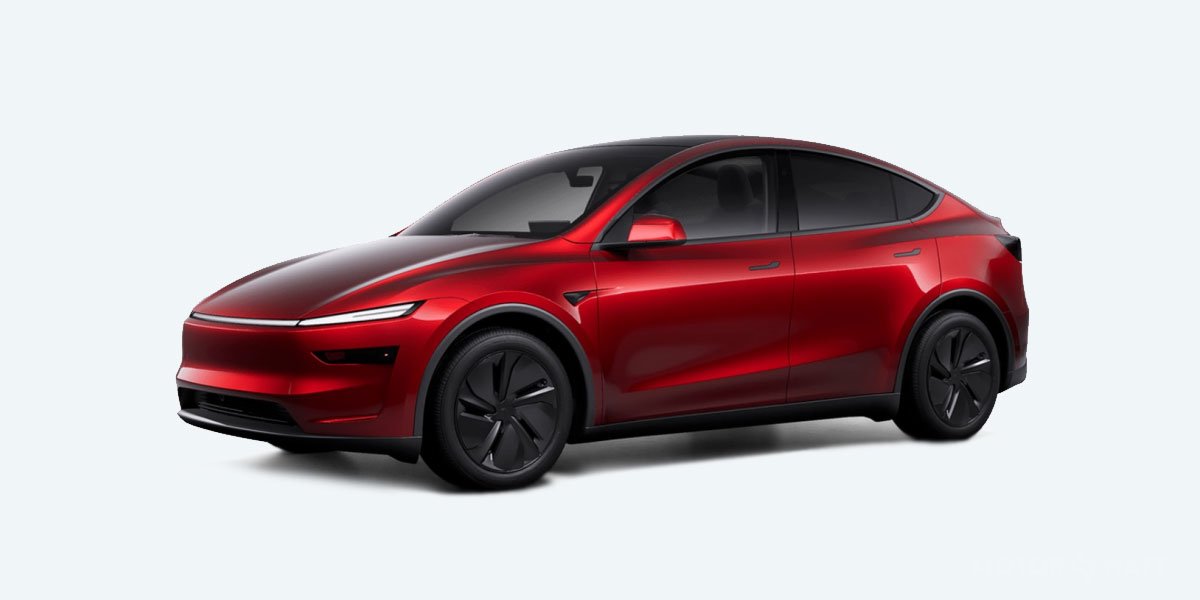
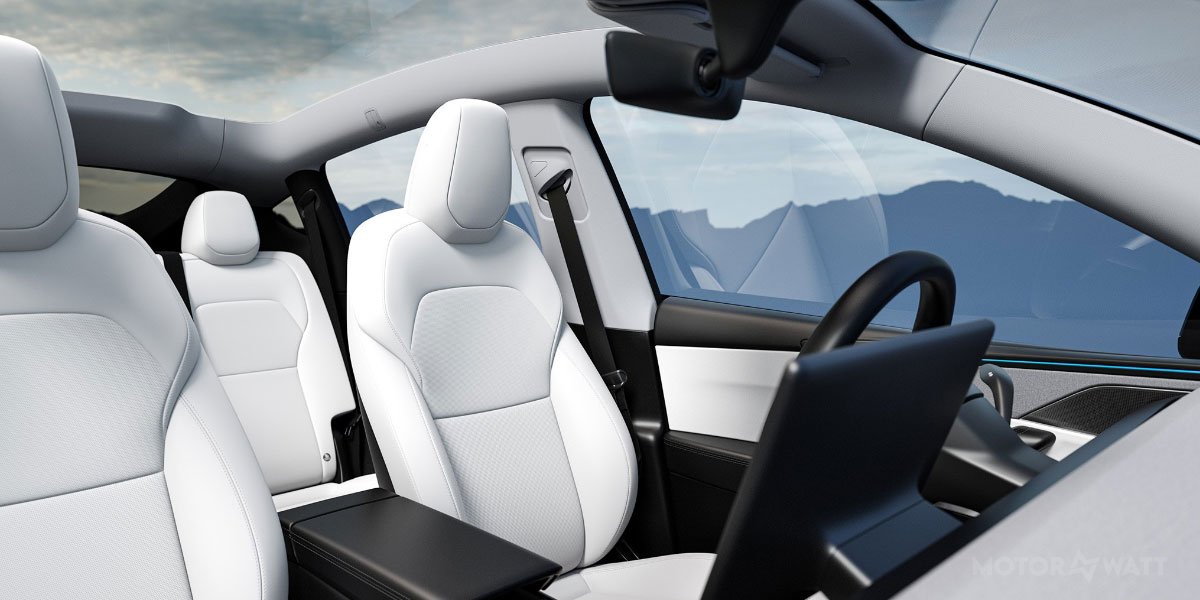
Exterior and Interior photos of Tesla Model Y 2026


Tesla Model Y 2026 Review: Early Impressions & Tech Analysis
Tesla Model Y (Juniper) Introduction:
Tesla Model Y enters the 2026 model year as one of the most recognizable electric crossovers on American roads, and for good reason. Built in the United States and engineered around the updated Juniper platform, the compact SUV focuses on efficiency, usable space, and software driven ownership. The category remains electric crossover SUV, yet the personality leans closer to a smart family hauler than a tech demo. Range, charging speed, and interior technology headline the experience, while pricing stays within reach of mainstream buyers.
From the start, the vehicle positions itself as a practical daily driver with the kind of cargo volume and cabin layout that suits suburban errands and long interstate runs. Battery electric architecture keeps the center of gravity low, helping stability during highway cruising. And the ecosystem matters here. Charging access, navigation integration, and frequent updates shape daily life behind the wheel.
- Manufacturing origin rooted in American production with global supply scale
- Platform update aligned with Juniper efficiency and refinement goals
- Market entry price starting at $44,990 USD (€38,691)
- Segment focus compact electric crossover with family friendly proportions
- Primary appeal software maturity paired with everyday usability
What is the Price of Tesla Model Y in 2026?
The Tesla Model Y price starts at $44,990 USD (€38,691). That figure places the rear wheel drive configuration squarely in the competitive electric SUV bracket, undercutting several premium rivals while delivering strong range and cargo capacity. Pricing reflects hardware updates, interior upgrades, and steady demand across North America and Europe.
| Trim Level | PRICE | KEY FEATURES |
|---|---|---|
|
Rear Wheel Drive
|
Single rear motor delivering 220 kW or 295 hp. Estimated 455 km WLTP range from a 60.0 kWh LFP battery. Rear wheel drive layout favors efficiency and predictable handling. DC fast charging reaches 170 kW, restoring 10 to 80 percent in roughly 25 minutes.
|
|
|
Long Range AWD
|
Dual motor all wheel drive improves traction and acceleration. Larger battery supports extended highway driving. Ideal for colder climates and frequent road trips. Interior and technology features mirror the base trim with added stability.
|
|
|
Performance AWD
|
Performance tuned motors with quicker acceleration and sport oriented suspension calibration. Larger wheels and upgraded brakes add visual punch and sharper responses, targeting drivers who value pace over maximum efficiency.
|
Across trims, pricing reflects battery size, motor count, and performance tuning. Buyers select efficiency, traction, or speed depending on driving habits and climate.
Engine, Battery, and Performance Specs:
Battery & Charging Specifications
Energy storage centers on a 60.0 kWh lithium iron phosphate battery in the rear wheel drive version. Estimated WLTP range reaches 455 km or about 283 miles, aligning with real world suburban and highway use. Charging flexibility supports daily commuting and weekend travel without planning anxiety.
- Battery capacity 60.0 kWh LFP chemistry
- Estimated WLTP range 455 km or 283 miles
- DC fast charging up to 170 kW
- 10 to 80 percent charge in approximately 25 minutes
Electric Motor Specifications
Power delivery comes from a single rear mounted electric motor producing 220 kW or 295 horsepower. Torque output measures 420 Nm or roughly 310 lb ft, arriving instantly and smoothly. Rear wheel drive configuration keeps weight down and improves efficiency during steady cruising.
- Single rear electric motor
- Maximum power 220 kW or 295 hp
- Torque output 420 Nm or 310 lb ft
- Rear wheel drive layout
Performance Specifications
Acceleration remains brisk for a family oriented crossover. Zero to 100 km/h arrives in 6.9 seconds, translating to about 6.6 seconds to 62 mph. Top speed reaches 217 km/h or 135 mph, suitable for unrestricted highways and confident passing.
- 0 to 100 km/h in 6.9 seconds
- Top speed 217 km/h or 135 mph
- Frequency selective damping suspension
- One pedal driving calibration
For everyday drivers, performance feels balanced. Quick enough for merging. Calm enough for family duty.
Exterior and Interior Features
Exterior Design
Design updates focus on airflow and visual clarity. The revised front fascia smooths the nose profile, while slimmer headlight housings sharpen the stance. Aerodynamic wheel designs and air curtain revisions contribute to an estimated drag coefficient of 0.22. Rear lighting spans the tailgate with a full width LED bar that integrates branding directly into the light signature.
Dimensions support practicality. Overall length measures 4751 mm or 187 inches. Width spans 1921 mm or 75.6 inches. Height reaches 1624 mm or 64 inches. Wheelbase stretches 2890 mm or 113.8 inches, supporting rear seat comfort and cargo stability.
Interior & Technology
Cabin layout emphasizes minimalism and screen driven control. Traditional stalks move to steering wheel haptics and the central display. A 15.4 inch front touchscreen anchors infotainment, navigation, and vehicle settings. Rear passengers gain an 8 inch display managing climate and media.
Comfort sees meaningful gains. Ventilated front seats arrive standard. Acoustic glass surrounds the cabin, reducing road and wind noise. Cargo capacity reaches 854 liters or 30.1 cubic feet with rear seats upright, expanding to 2158 liters or 76.2 cubic feet when folded.
Interior design suits long drives. Storage spaces feel logical. Materials focus on durability and easy maintenance.
Pros and Cons:
Pros
- Strong range for rear wheel drive configuration
- Large cargo capacity for family use
- Frequent software updates and navigation integration
- Fast DC charging capability
- Refined suspension tuning for daily comfort
Cons
- Learning curve for stalk free controls
- Camera only driver assist approach
- Limited physical buttons for climate functions
- Paint and wheel options influence final pricing
Market position & Expert Data:
The Tesla Model Y remains a reference point in the electric crossover segment for 2026. Sales volumes continue to outpace many rivals, supported by strong brand awareness and charging network access. Data from recent market surveys shows compact electric SUVs account for over 35 percent of new EV registrations in North America, reflecting buyer demand for flexible body styles.
According to McKinsey research, software driven vehicles retain higher owner satisfaction scores after three years compared to hardware focused competitors. Analysts highlight over the air updates as a major contributor to perceived long term value. Industry expert Sam Fiorani, Vice President of Global Vehicle Forecasting at AutoForecast Solutions, notes that vehicles with consistent software evolution maintain stronger resale confidence during rapid technology cycles.
Battery efficiency also plays a role. Studies published by Harvard Business Review indicate that vehicles optimizing aerodynamic drag below 0.24 Cd achieve up to 7 percent highway efficiency gains. With an estimated 0.22 Cd, the Model Y aligns with that efficiency threshold, supporting its real world range reputation.
Conclusion:
The Tesla Model Y continues as a smart choice for drivers seeking electric practicality without complexity. Pricing stays competitive, range supports daily routines, and interior upgrades improve long term comfort. Software integration remains a defining strength, especially for road trips and ownership convenience. For families and commuters alike, the package delivers balance rather than flash.
Watch the Video Overview


Full specifications
Model Specs
| Specification | Actual Data |
|---|---|
|
Model Name
|
Tesla Model Y
|
|
Model Year
|
2026
|
|
Body Type
|
SUV and Crossover
|
|
Vehicle Class
|
Electric crossover SUV
|
|
Manufacturer
|
Tesla
|
|
Country of Origin
|
United States
|
|
Powertrain Type
|
Full Electric BEV
|
|
Base Trim Price
|
$44,990 USD (€38,691)
|
|
Other Listed Trims
|
Long Range AWD $49,990 USD (€42,991) and Performance AWD $54,490 USD (€46,861)
|
Performance
| Specification | Actual Data |
|---|---|
|
Drive Type
|
Rear Wheel Drive RWD
|
|
Motor Count
|
Single Motor
|
|
Power Output
|
220 kW (295 hp)
|
|
Torque
|
420 Nm (310 lb ft)
|
|
Acceleration 0 to 62 mph (0 to 100 km/h)
|
6.9 seconds
|
|
Top Speed
|
217 km/h (135 mph)
|
|
Driving Modes
|
Chill and Standard
|
|
Ride and Handling Hardware
|
Frequency selective damping suspension
|
Battery and Charging
| Specification | Actual Data |
|---|---|
|
Battery Capacity
|
60.0 kWh estimated LFP
|
|
Battery Chemistry
|
Lithium iron phosphate LFP
|
|
DC Fast Charging Peak
|
Up to 170 kW
|
|
Charging Time 10 to 80 percent
|
About 25 minutes on DC fast charging
|
|
Regenerative Braking
|
One pedal driving calibration
|
|
Nominal Voltage
|
Not specified in provided specs
|
Estimated Range Data
| Specification | Actual Data |
|---|---|
|
Range Standard
|
WLTP 455 km (283 miles) estimated
|
|
EPA Range
|
Not specified in provided specs
|
|
City Range
|
Not specified in provided specs
|
|
Highway Range
|
Not specified in provided specs
|
|
Cold Weather Range
|
Not specified in provided specs
|
Body Specifications
| Specification | Actual Data |
|---|---|
|
Length
|
4751 mm (187.0 in)
|
|
Width
|
1921 mm (75.6 in)
|
|
Height
|
1624 mm (63.9 in)
|
|
Wheelbase
|
2890 mm (113.8 in)
|
|
Curb Weight
|
1910 kg (4,211 lb)
|
|
Cargo Capacity Rear Seats Up
|
854 L (30.2 cu ft)
|
|
Cargo Capacity Max
|
2158 L (76.2 cu ft)
|
|
Ground Clearance
|
Not specified in provided specs
|
Exterior Design Features
| Specification | Actual Data |
|---|---|
|
Design Update
|
Juniper exterior refresh with cleaner front fascia
|
|
Lighting Signature
|
Full width rear LED light bar with integrated lettering
|
|
Aerodynamic Efficiency
|
Estimated drag coefficient Cd 0.22
|
|
Wheel Options Mentioned
|
19 inch wheels (48.3 cm) with aerodynamic Gemini style covers
|
|
Paint Colors Mentioned
|
Stealth Grey and Ultra Red
|
|
Front Lighting Layout
|
Slimmer headlight housings and simplified bumper surfaces
|
Interior Design and Materials
| Specification | Actual Data |
|---|---|
|
Cabin Theme
|
Minimalist layout with wraparound dashboard design
|
|
Ambient Lighting
|
Customizable lighting strip flowing across dash and doors
|
|
Front Seat Comfort
|
Ventilated front seats standard
|
|
Cabin Quieting
|
360 degree acoustic glass for reduced noise
|
|
Control Philosophy
|
Stalk free steering column with steering wheel haptics
|
Cabin Technical Features
| Specification | Actual Data |
|---|---|
|
Front Infotainment Display
|
15.4 inch touchscreen (39.1 cm)
|
|
Rear Passenger Display
|
8 inch touchscreen (20.3 cm)
|
|
Driver Assistance Hardware
|
Hardware 4.0 camera based system
|
|
Sensor Suite Note
|
Ultrasonic sensors absent in provided configuration notes
|
|
Rear Cabin Controls
|
Rear screen controls climate media and seat heating
|
|
Software Updates
|
Over the air update capability referenced in ownership experience
|
F.A.Q. about Tesla Model Y 2026
What is the real world driving range of the Tesla Model Y?
The real world range of the Tesla Model Y RWD typically stays close to its estimated figures under mixed driving.
- Highway driving around 400 km or 249 miles
- City driving up to 470 km or 292 miles
- Cold weather range near 360 km or 224 miles
How long does it take to charge the Tesla Model Y battery?
Charging times depend on charger type and power availability.
- DC fast charging reaches 10 to 80 percent in about 25 minutes
- AC home charging completes in roughly 7 to 8 hours with an 11 kW wallbox
What is the price of the Tesla Model Y in the USA and Europe?
The Tesla Model Y RWD starts at $44,990 in the United States, which equals about €38,691 for European buyers before local taxes and incentives.
What battery type does the Tesla Model Y use?
The rear wheel drive version uses a 60.0 kWh lithium iron phosphate battery designed for long cycle life and stable daily charging habits.
Is the Tesla Model Y suitable for long distance travel?
Long distance travel works well thanks to fast DC charging and integrated route planning.
- Up to 455 km or 283 miles per charge
- Fast charging stops under 30 minutes
- Navigation guided charging stops
What maintenance does the Tesla Model Y require?
Maintenance stays minimal since electric drivetrains have fewer moving parts than gasoline vehicles.
- No oil changes or exhaust servicing
- Periodic brake and tire inspections
- Software updates handled automatically
Does the Tesla Model Y perform well in cold climates?
Cold weather performance remains stable thanks to thermal battery management, though range may drop by about 15 to 20 percent in winter conditions.
How safe is the Tesla Model Y for families?
Safety benefits include a low center of gravity, strong structural design, and camera based driver assistance supporting collision avoidance.
Does the Tesla Model Y qualify for EV incentives?
Eligibility depends on regional programs, income limits, and vehicle configuration, with some buyers qualifying for federal or local EV incentives.