Tesla Model 3 2026: Price, Range, and Technical Specs
The Tesla Model 3 is a compact full electric sedan designed for efficiency, software driven performance, and daily usability. The 2026 version uses a 60 kWh lithium iron phosphate battery, delivers up to 513 km WLTP range, accelerates to 100 kmh in 6.1 seconds, and supports fast DC charging up to 170 kW. Rear wheel drive handling, minimalist interior technology, and access to the Supercharger network define its appeal in the premium electric sedan category.

| Starting Price | $38,990 |
| Model Year | 2026 |
| Country of Manufacturing | USA |
| Battery Size | 60 kWh |
| Official Range | 319 mi |
| Power | 283 hp |
* Minimum price set for the base trim by the manufacturerr, excluding taxes and additional options

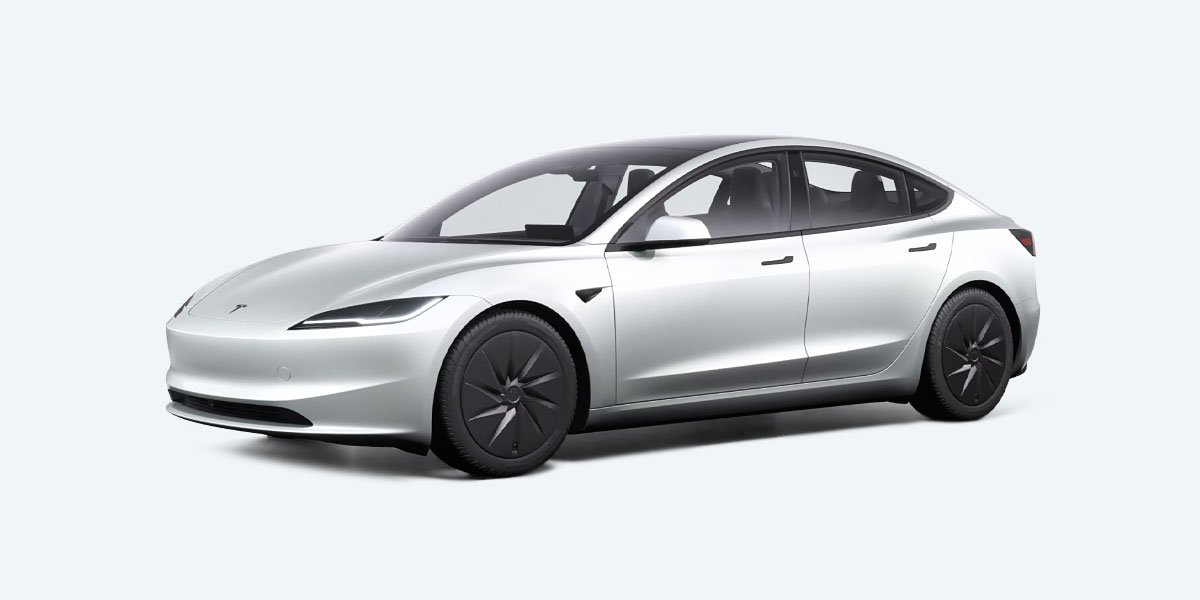
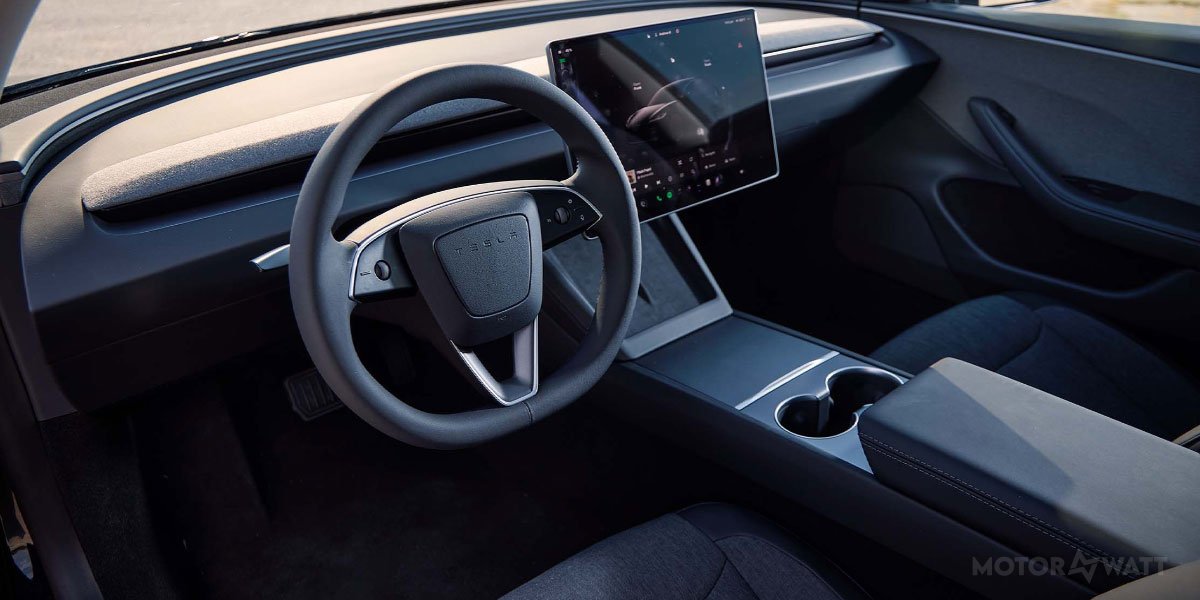
Exterior and Interior photos of Tesla Model 3 2026


Tesla Model 3 2026 Review: Early Impressions & Tech Analysis
Tesla Model 3 2026 Introduction:
Tesla Model 3 enters the 2026 model year with measured refinement rather than flashy reinvention. Built as a compact electric sedan for everyday drivers, it anchors Tesla’s global lineup while staying focused on efficiency, accessible pricing, and software-first engineering. The rear wheel drive configuration keeps weight balanced, range competitive, and ownership costs predictable. A 60.0 kWh lithium iron phosphate battery supports long daily use, while the streamlined body targets real world driving rather than brochure drama. Starting at $38,990 USD (€33,140), pricing keeps the door open for buyers stepping into electric mobility without luxury brand inflation.
- Manufacturing roots span North America and global markets with consistent build standards
- Sales positioning targets compact executive sedan buyers shifting from gasoline platforms
- 2026 updates focus on ergonomics, cabin acoustics, and software stability
- Market role remains the entry point into the Tesla charging and software ecosystem
- Price strategy undercuts premium European electric sedans while matching range efficiency
What is the Price of Tesla Model 3 in 2026?
The Tesla Model 3 price starts at $38,990 USD (€33,140). That figure places the sedan squarely in the attainable premium electric category, competing directly with gasoline luxury sedans and entry level electric rivals. Pricing reflects Tesla’s continued focus on simplified configurations and software driven feature expansion.
| Trim Level | PRICE | KEY FEATURES |
|---|---|---|
|
Model 3 Standard RWD
|
Rear wheel drive layout paired with a 60.0 kWh LFP battery delivers 513 km WLTP range. Power output reaches 208 kW or 283 hp, supporting daily commuting with controlled acceleration. Fast DC charging peaks at 170 kW, allowing 10 to 80 percent recovery in roughly 25 minutes. Suspension tuning favors comfort with confident highway stability.
|
|
|
Model 3 Long Range AWD
|
Dual motor all wheel drive improves traction and extends driving range for colder climates. Power delivery sharpens acceleration while maintaining efficient cruising. Interior upgrades add enhanced audio and extended connectivity features aimed at frequent travelers.
|
|
|
Model 3 Performance AWD
|
Performance focused tuning increases output and tightens suspension response. Larger wheels, sport braking hardware, and quicker acceleration cater to drivers prioritizing speed and sharper dynamics without sacrificing electric range usability.
|
Across the lineup, pricing reflects Tesla’s approach of reducing trim complexity while leaning on software updates to add long term value. Buyers select battery size, drive layout, and performance level rather than navigating dozens of option packages.
Engine, Battery, and Performance Specs:
Battery & Charging Specifications
The battery system focuses on durability, predictable charging behavior, and long service life. A 60.0 kWh lithium iron phosphate pack supports repeated full charging without accelerated degradation. That chemistry choice suits urban and suburban ownership patterns, especially daily charging. WLTP range reaches 513 km or about 319 miles, with mixed real world driving often landing near 430 km or 267 miles. AC charging supports 11 kW, restoring a full charge in roughly 6 hours and 15 minutes. DC fast charging peaks at 170 kW, allowing a 10 to 80 percent refill in around 25 minutes under optimal conditions.
- Battery capacity 60.0 kWh LFP chemistry
- WLTP driving range 513 km or 319 miles
- AC charging up to 11 kW at home or public stations
- DC fast charging up to 170 kW
- 10 to 80 percent charge in approximately 25 minutes
Electric Motor Specifications
Rear wheel drive architecture keeps the mechanical layout clean and weight distribution balanced. A single rear mounted electric motor produces 208 kW or 283 horsepower, paired with 420 Nm or 310 lb ft of torque. Power delivery remains smooth and linear, avoiding abrupt surges that compromise traction. The lighter front axle improves steering clarity, especially during city driving and tight cornering. Software managed torque modulation prioritizes efficiency during steady cruising while preserving responsiveness during overtaking.
- Single rear mounted electric motor
- Maximum output 208 kW or 283 hp
- Peak torque 420 Nm or 310 lb ft
- Rear wheel drive configuration
- Software controlled torque delivery
Performance Specifications
Acceleration favors smooth progress rather than aggressive launches. A 0 to 100 kmh sprint takes 6.1 seconds, equal to 0 to 62 mph in the same window. Top speed reaches 201 kmh or 125 mph, sufficient for extended highway use in Europe and unrestricted zones. Efficiency remains the defining trait, with energy consumption often falling below 14 kWh per 100 km or roughly 4.4 miles per kWh in mixed conditions. One pedal driving remains aggressive, allowing full stops without brake input.
- 0 to 100 kmh acceleration in 6.1 seconds
- Top speed 201 kmh or 125 mph
- Energy consumption under 14 kWh per 100 km
- Strong regenerative braking system
- Selectable Chill and Standard drive modes
For daily ownership, the balance between usable acceleration, consistent range, and stable charging behavior favors drivers prioritizing reliability over dramatic numbers. Everything works quietly and predictably.
Exterior and Interior Features
Exterior Design
Exterior styling follows aerodynamic priorities rather than decorative excess. Overall length measures 4720 mm or 186 inches, width spans 1849 mm or 72.8 inches, and height sits at 1441 mm or 56.7 inches. A drag coefficient near 0.219 improves highway efficiency and reduces wind noise. LED lighting surrounds the body, with slim headlamp housings and trunk integrated rear lamps that move with the tailgate. Standard 18 inch wheels emphasize airflow management, while optional 19 inch wheels add visual presence. Paint options stay limited to streamline production, favoring neutral tones with consistent resale appeal.
Interior & Technology
Cabin design strips away traditional controls in favor of centralized software management. A 15.4 inch touchscreen anchors the dashboard and manages navigation, climate, mirrors, and driving settings. Hidden air vents distribute airflow through a continuous slot, keeping surfaces uncluttered. Seating uses synthetic upholstery with strong wear resistance, paired with acoustic glass on all sides for improved noise isolation. Heated and ventilated front seats come standard, joined by heated rear seating. Connectivity includes streaming services, gaming capability, and wireless updates delivered automatically.
Space utilization favors practicality. Cargo capacity reaches 594 liters or 21 cubic feet when combining rear trunk and front storage. A wheelbase of 2875 mm or 113.2 inches contributes to stable ride quality and usable rear legroom. Ambient lighting lines the doors, offering subtle customization without visual overload.
From an ownership perspective, the exterior prioritizes efficiency and low upkeep, while the interior focuses on software longevity. Design choices favor reduced clutter, lower maintenance, and strong long term usability rather than short term novelty.
Pros and Cons:
Pros
- Strong real world efficiency for daily commuting and long trips
- Access to a widespread fast charging ecosystem across North America and Europe
- Durable lithium iron phosphate battery suited for frequent full charging
- Clean rear wheel drive handling with predictable steering response
- Over the air software updates extend usability over time
- Large combined cargo capacity for a compact electric sedan
- Quiet cabin aided by full acoustic glass treatment
Cons
- Limited interior customization options compared with European rivals
- Centralized touchscreen control requires driver acclimation
- Regenerative braking intensity lacks fine adjustment
- Exterior color availability remains narrow
- Base audio system favors clarity over bass emphasis
Market Position & Expert Data:
In 2026, the compact electric sedan segment remains one of the most contested areas in the EV market. The Tesla Model 3 continues to hold a commanding position due to scale, software maturity, and charging accessibility. Pricing near $38,990 USD (€33,140) keeps ownership within reach of buyers upgrading from gasoline powered executive sedans. Data reveals that electric sedans under $40,000 USD represent one of the fastest growing EV adoption brackets in the United States, driven by urban commuters and fleet buyers seeking predictable operating costs.
According to McKinsey research, software defined vehicles influence purchase decisions for more than 40 percent of EV buyers in 2025. Continuous feature expansion through wireless updates supports long ownership cycles without mechanical modification. Research shows that access to reliable DC fast charging increases EV satisfaction rates by over 30 percent, particularly among first time owners. The sedan’s compatibility with high power charging standards supports that confidence.
Industry analysts also note strong resale performance within the segment. Data reveals that compact electric sedans with stable battery chemistry retain value more effectively over five year ownership windows. The lithium iron phosphate pack supports predictable degradation curves, which reassures buyers concerned about long term capacity retention.
Summary:
The Tesla Model 3 stands as a practical electric sedan built around efficiency, software depth, and everyday usability. Rear wheel drive dynamics keep handling light and predictable, while the 60.0 kWh battery supports consistent range across seasons. Pricing aligns closely with premium gasoline sedans, easing the transition toward electric ownership. For drivers prioritizing reliability, charging access, and long term digital support, the package remains difficult to overlook.
Watch the Video Overview


Full specifications
Model Specs
| Specification | Actual Data |
|---|---|
|
Model Name
|
Tesla Model 3
|
|
Model Year
|
2026
|
|
Body Type
|
Sedan
|
|
Powertrain Type
|
Full Electric BEV
|
|
Starting Price
|
$38,990 USD (€33,140)
|
Performance
| Specification | Actual Data |
|---|---|
|
Drive Type
|
RWD Rear Wheel Drive
|
|
Power Output
|
208 kW (283 hp)
|
|
Torque
|
420 Nm (310 lb ft)
|
|
Acceleration 0 to 100 kmh
|
6.1 seconds (0 to 62 mph in 6.1 seconds)
|
|
Top Speed
|
201 kmh (125 mph)
|
Battery and Charging
| Specification | Actual Data |
|---|---|
|
Battery Capacity
|
60.0 kWh Estimated LFP
|
|
Nominal Voltage
|
Not specified
|
|
AC Charging Power
|
11 kW
|
|
AC Charging Time 0 to 100 percent
|
Approximately 6 hours 15 minutes
|
|
DC Fast Charging Peak
|
Up to 170 kW
|
|
Charging Time 10 to 80 percent
|
Approximately 25 minutes
|
Estimated Range Data
| Specification | Actual Data |
|---|---|
|
Range Standard
|
513 km WLTP (319 miles)
|
|
Real World Range Mixed
|
Approximately 430 km (267 miles)
|
|
City Range
|
Often above 480 km (298 miles)
|
|
Highway Range
|
Not specified
|
|
Cold Weather Range
|
Around 380 km (236 miles)
|
|
EPA Range
|
Not specified
|
Body Specifications
| Specification | Actual Data |
|---|---|
|
Length
|
4720 mm (186.0 in)
|
|
Width
|
1849 mm (72.8 in)
|
|
Height
|
1441 mm (56.7 in)
|
|
Wheelbase
|
2875 mm (113.2 in)
|
|
Ground Clearance
|
Not specified
|
|
Curb Weight
|
1765 kg (3,891 lb)
|
|
Cargo Capacity Rear Trunk and Frunk
|
594 L (21.0 cu ft)
|
Exterior Design Features
| Specification | Actual Data |
|---|---|
|
Aerodynamic Drag Coefficient
|
Approximately Cd 0.219
|
|
Lighting
|
Full LED with matrix capability in select markets
|
|
Sensors and Driver Vision Hardware
|
Tesla Vision cameras with ultrasonic sensors removed
|
|
Standard Wheels
|
18 inch Photon wheels with aero covers
|
|
Optional Wheels
|
19 inch Nova wheels
|
|
Available Paint Colors
|
Stealth Grey, Pearl White, Deep Blue, Solid Black, Ultra Red
|
Interior Design and Materials
| Specification | Actual Data |
|---|---|
|
Interior Layout
|
Minimalist wraparound dashboard with hidden airflow slot
|
|
Seating Materials
|
Vegan friendly synthetic upholstery with soft touch textiles
|
|
Seat Comfort Features
|
Heated and ventilated front seats, heated rear seats
|
|
Cabin Noise Treatment
|
360 degree acoustic glass for reduced road and wind noise
|
|
Ambient Lighting
|
Customizable lighting strip across doors and cabin line
|
Cabin Technical Features
| Specification | Actual Data |
|---|---|
|
Main Display
|
15.4 inch high resolution touchscreen
|
|
Controls and Interface
|
Touchscreen controlled functions with AirWave software airflow
|
|
Driver Assistance Standard
|
Basic Autopilot with Traffic Aware Cruise Control and Autosteer
|
|
Connectivity and Apps
|
Built in streaming and infotainment apps with high speed processor
|
|
Audio System
|
Custom audio system tuned for clarity in Standard trim
|
|
Updates
|
Over the air software updates
|
F.A.Q. about Tesla Model 3 2026
What is the real world range of the Tesla Model 3 on a single charge
The Tesla Model 3 delivers strong everyday efficiency with real world range varying by conditions.
- Mixed driving around 430 km or 267 miles
- City driving often exceeds 480 km or 298 miles
- Cold weather range averages near 380 km or 236 miles
How long does it take to charge the Tesla Model 3 battery
Charging times depend on charger type and power availability.
- DC fast charging restores 10 to 80 percent in about 25 minutes
- AC home charging reaches full capacity in roughly 6 hours
What is the price of the Tesla Model 3 in the USA and Europe
The Tesla Model 3 starts at $38,990 USD with a converted price of about €33,140, positioning it among the most accessible premium electric sedans.
Is the Tesla Model 3 suitable for long distance travel
Yes, long distance travel remains a core strength due to stable highway efficiency and frequent fast charging access.
- WLTP range of 513 km or 319 miles
- Fast DC charging up to 170 kW
- Integrated navigation with charging planning
What battery type does the Tesla Model 3 use and why it matters
The Tesla Model 3 uses a lithium iron phosphate battery designed for durability and frequent full charging.
- Battery capacity of 60.0 kWh
- Stable performance across repeated charge cycles
- Improved long term capacity retention
What maintenance does the Tesla Model 3 require
Maintenance needs remain minimal compared with gasoline sedans.
- No oil changes or exhaust servicing
- Periodic brake inspection due to regenerative braking
- Cabin air filter replacement as needed
How does the Tesla Model 3 perform in cold climates
Cold weather impacts range but overall performance remains consistent.
- Battery preconditioning improves winter charging speed
- Heated seats reduce cabin energy demand
- Rear wheel drive maintains predictable traction
How does Tesla Model 3 performance compare to gasoline sedans
Instant electric torque delivers smooth acceleration that matches many turbocharged gasoline sedans.
- 0 to 100 kmh in 6.1 seconds
- Single speed transmission for seamless power delivery
- Lower center of gravity improves stability
What is the expected lifespan of the Tesla Model 3 battery
The battery system is engineered for long service life under daily use.
- Designed for several hundred thousand kilometers of driving
- Gradual capacity reduction rather than sudden loss
- LFP chemistry supports frequent full charging