BYD Seal 07 EV 2026: Price, Range, and Technical Specs
BYD Seal 07 EV 2026 is an electric sedan from China built on the advanced e-Platform 3.0 Evo architecture. It features a 69.07 kWh Blade Battery delivering up to 705 km (438 miles) of range. The rear-wheel drive motor produces 322 horsepower and reaches 100 km/h in about 6.5 seconds. With a starting price of $23,900 (€20,570), the sedan combines long electric range, fast 800-volt charging, and modern cockpit technology for drivers seeking an efficient premium EV.


| Starting Price | $23,900 |
| Model Year | 2026 |
| Country of Manufacturing | China |
| Battery Size | 69.07 kWh |
| Official Range | 438 mi |
| Power | 322 hp |
* Minimum price set for the base trim by the manufacturerr, excluding taxes and additional options

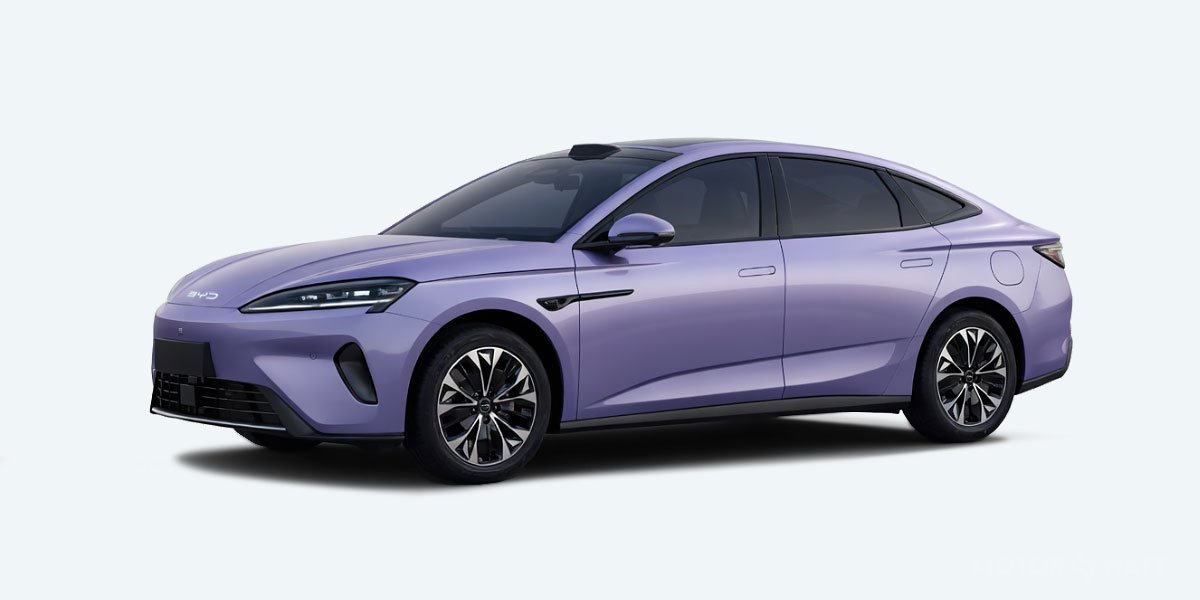
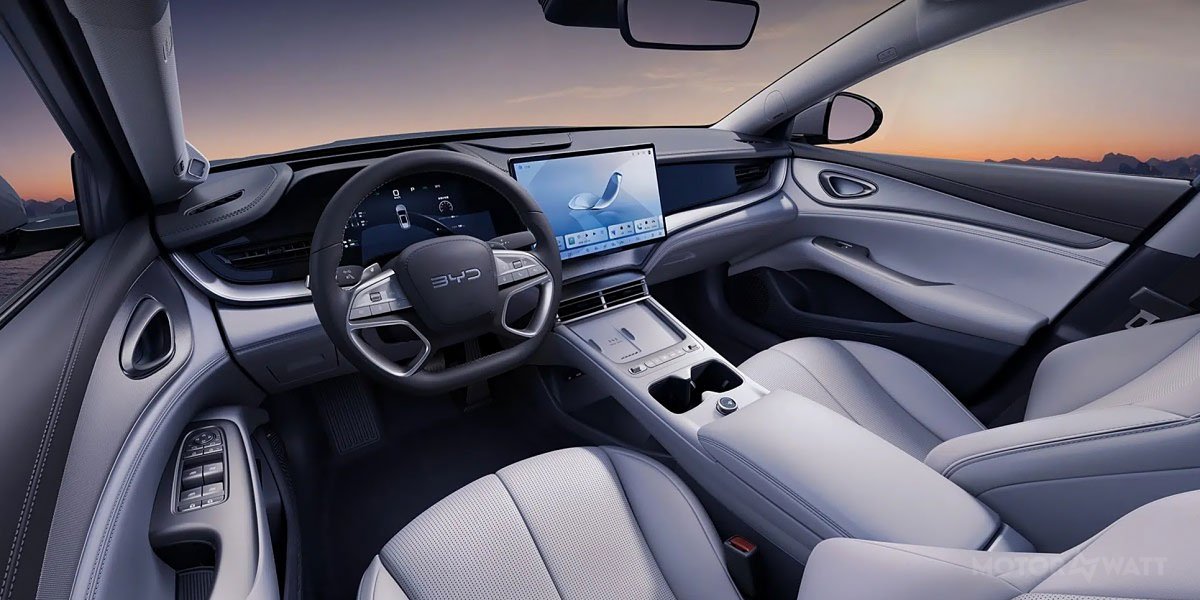
Exterior and Interior photos of BYD Seal 07 EV 2026


BYD Seal 07 EV 2026 Review: Early Impressions & Tech Analysis
BYD Seal 07 EV 2026 Overview
BYD Seal 07 EV enters the 2026 electric sedan arena as a modern D-segment contender aimed at drivers who value efficiency, technology, and long-distance capability. Manufactured in China and launched globally in early 2026, the model rides on the advanced e-Platform 3.0 Evo architecture. That architecture focuses on ultra-efficient energy management and structural rigidity through cell-to-body battery integration. A 69.07 kWh Blade Battery supports an impressive 705 km range, equal to about 438 miles. Performance stays lively with 322 horsepower and rear-wheel drive. Top speed reaches 200 km/h or roughly 124 mph. And pricing begins at $23,900 USD (€20,570), placing the sedan among the most competitive entries in the premium electric sedan category. Buyers searching for an efficient long-range electric car often place such models high on their shortlist.
- Manufacturing background: Produced by BYD in China under the Ocean Series family of electric vehicles.
- Market debut: Officially introduced in early March 2026 as the successor to the original Seal electric sedan.
- New architecture: Built on the e-Platform 3.0 Evo platform with cell-to-body battery integration for improved rigidity.
- Starting price: Entry configuration begins at $23,900 USD (€20,570), targeting upper midsize EV buyers.
- Positioning: A premium intelligent electric sedan aimed at long-range efficiency and advanced driver technology.
What is the Price of BYD Seal 07 EV 2026?
The BYD Seal 07 EV price starts at $23,900 USD (€20,570). That figure places the sedan among the most affordable long-range electric vehicles in the midsize premium segment. Several trims expand the lineup with larger batteries, stronger performance, and upgraded intelligent driving hardware.
| Trim Level | PRICE | KEY FEATURES |
|---|---|---|
|
Standard Range RWD
|
Rear-wheel drive configuration powered by a 69.07 kWh Blade Battery. Delivers 322 hp and 705 km (438 miles) CLTC range. Accelerates to 62 mph in about 6.5 seconds. Equipped with 19-inch aerodynamic wheels, intelligent driving assistance, and rotating touchscreen cockpit.
|
|
|
Long Range RWD
|
Extended battery capacity improves driving range beyond 750 km under CLTC testing. Enhanced comfort features include upgraded materials and expanded driver assistance. Maintains rear-drive layout with refined efficiency tuning.
|
|
|
Extended Range RWD
|
Larger battery pack and upgraded thermal management deliver improved highway endurance. Advanced suspension calibration enhances ride comfort for long-distance travel.
|
|
|
Intelligent AWD Performance
|
Dual-motor all-wheel drive configuration increases traction and acceleration performance. Adds sport suspension tuning and advanced driver assistance capabilities.
|
|
|
Flagship LiDAR Edition
|
Top trim integrates roof-mounted LiDAR sensors for enhanced autonomous driving capability. Adds premium interior materials, extended connectivity features, and upgraded safety systems.
|
Each trim builds on the same aerodynamic sedan design and intelligent driving software. Buyers select battery capacity, power level, and advanced sensors. Even the base configuration delivers impressive electric range and strong performance. Higher trims introduce LiDAR navigation assistance, expanded digital displays, and stronger acceleration. That layered strategy allows buyers to select technology and performance levels without stepping outside the competitive electric sedan price band.
Engine, Battery, and Performance Specs:
Battery & Charging Specifications
The battery system relies on BYD’s Blade Battery design using lithium iron phosphate chemistry. Capacity reaches 69.07 kWh in the standard model. That pack supports an impressive 705 km range under CLTC testing, roughly 438 miles. Real-world range depends on climate, driving style, and terrain. Charging performance benefits from an 800-volt electrical architecture that supports fast DC charging. Drivers can replenish the battery from 10 percent to 80 percent in about 25 minutes. Such rapid charging allows quick highway stops and convenient daily commuting.
- Battery capacity: 69.07 kWh Blade Battery
- Range: 705 km CLTC (about 438 miles)
- Fast charging: 10–80% in about 25 minutes
- Architecture: 800-volt high-voltage system
- Battery structure: cell-to-body integration
Electric Motor Specifications
Performance relies on a rear-mounted electric motor producing 240 kW, equivalent to about 322 horsepower. Torque reaches roughly 380 Nm, equal to around 280 lb-ft. The rear-wheel drive layout provides balanced handling and efficient power delivery. Engineers tuned the drivetrain for responsive acceleration and smooth urban maneuvering. Silicon carbide power electronics improve energy efficiency while reducing heat losses. That technology also supports the vehicle’s rapid charging capability and stable high-speed performance.
- Motor power: 240 kW / 322 hp
- Estimated torque: 380 Nm (280 lb-ft)
- Drive configuration: rear-wheel drive
- Power electronics: silicon carbide module
- Platform: e-Platform 3.0 Evo
Performance Specifications
Acceleration remains brisk for a midsize electric sedan. The car reaches 100 km/h in about 6.5 seconds, which equals roughly 62 mph. Top speed climbs to 200 km/h or around 124 mph. Such figures suit both highway commuting and relaxed long-distance cruising. Suspension systems employ adaptive damping that adjusts firmness according to road conditions. The electric drivetrain delivers immediate torque response, providing a smooth and predictable driving experience.
- Acceleration 0–100 km/h: 6.5 seconds
- Top speed: 200 km/h (124 mph)
- Drive type: rear-wheel drive
- Platform: e-Platform 3.0 Evo
- Vehicle weight: about 1,940 kg (4,277 lb)
Electric sedan buyers searching for efficiency often focus on driving range and charging speed. Here the platform offers a convincing balance. Long range capability, rapid charging support, and responsive acceleration form a practical trio for daily driving.
Exterior and Interior Features
Exterior Design
The exterior design follows BYD’s Ocean Aesthetics language. The front fascia features a closed grille for improved aerodynamics. Engineers shaped the body with a sweeping fastback roofline that flows toward the rear deck. Such proportions support a lower drag coefficient and enhance efficiency at highway speeds. The sedan stretches nearly five meters in length, measuring 4,995 mm or about 196.6 inches. LED lighting appears front and rear with a continuous taillight strip across the trunk lid. Standard 19-inch alloy wheels integrate aerodynamic inserts that improve airflow around the body. Flush door handles reduce turbulence while adding a modern appearance.
Interior & Technology
The cabin centers around a floating cockpit layout. A 15.6-inch rotating touchscreen dominates the dashboard. That display operates through the DiLink 100 infotainment system with advanced voice recognition and dual-screen interface modes. Drivers monitor vehicle data through a 10.25-inch digital instrument display. Available augmented reality head-up display projects navigation cues directly into the driver’s view. Premium materials include soft synthetic leather and Alcantara accents. Ergonomic front seats offer power adjustment and ventilation. Wireless charging pads and intelligent connectivity systems support modern smartphone integration.
Passengers benefit from a spacious interior thanks to the cell-to-body battery layout. That structural design increases cabin volume while maintaining rigidity. Technology and comfort features create an environment that suits commuting, business travel, or weekend drives.
Pros and Cons:
Pros
- Long electric range reaching 705 km
- Competitive starting price under $24,000
- Rapid DC charging capability
- Modern rotating infotainment display
- Advanced intelligent driving assistance systems
Cons
- Brand recognition lower than some European rivals
- CLTC range figures may differ from real-world conditions
- Limited availability in certain global markets
- Rear-wheel drive only in base configuration
Summary
The 2026 BYD Seal 07 EV brings long range, efficient charging, and intelligent driving technology into an affordable premium electric sedan. A 705 km range, 322 horsepower motor, and 800-volt charging architecture create an appealing package for daily commuting and highway travel. Pricing starting at $23,900 USD (€20,570) positions the car well below many established rivals. Buyers seeking modern EV technology and extended driving range find strong value within this sedan.
Watch the Video Overview


Full specifications
Model Specs
| Specification | Actual Data |
|---|---|
|
Model Name
|
BYD Seal 07 EV
|
|
Model Year
|
2026
|
|
Vehicle Class
|
D Segment Electric Sedan
|
|
Body Style
|
4 door fastback sedan
|
|
Manufacturer
|
BYD Auto
|
|
Country of Origin
|
China
|
|
Platform
|
e Platform 3.0 Evo electric architecture
|
Performance
| Specification | Actual Data |
|---|---|
|
Power Type
|
Full electric powertrain
|
|
Drive Type
|
Rear wheel drive
|
|
Power Output
|
240 kW 322 hp
|
|
Torque
|
380 Nm (280 lb ft)
|
|
Acceleration
|
0–100 kmh in 6.5 s (0–62 mph in 6.5 s)
|
|
Top Speed
|
200 kmh (124 mph)
|
Battery and Charging
| Specification | Actual Data |
|---|---|
|
Battery Type
|
Blade Battery lithium iron phosphate
|
|
Battery Capacity
|
69.07 kWh
|
|
Electrical Architecture
|
800 volt high voltage system
|
|
Fast Charging
|
DC fast charging supported
|
|
Charging Time 10 to 80 percent
|
About 25 minutes
|
|
Battery Integration
|
Cell to body structural battery design
|
Estimated Range Data
| Specification | Actual Data |
|---|---|
|
Electric Range CLTC
|
705 km (438 miles)
|
|
Estimated Real World Range
|
520–620 km (323–385 miles)
|
|
City Driving Range
|
Up to about 740 km (460 miles)
|
|
Highway Range Estimate
|
Around 520 km (323 miles)
|
|
Cold Weather Range Estimate
|
Approximately 430 km (267 miles)
|
Body Specifications
| Specification | Actual Data |
|---|---|
|
Length
|
4995 mm (196.6 in)
|
|
Width
|
1910 mm (75.2 in)
|
|
Height
|
1495 mm (58.9 in)
|
|
Wheelbase
|
2900 mm (114.2 in)
|
|
Cargo Capacity
|
450 liters (15.9 cubic feet)
|
|
Curb Weight
|
1940 kg (4277 lb)
|
Exterior Design Features
| Specification | Actual Data |
|---|---|
|
Design Language
|
Ocean Aesthetics aerodynamic design
|
|
Headlights
|
Double U LED headlight signature
|
|
Rear Lighting
|
Full width LED taillight bar
|
|
Door Handles
|
Flush electronic door handles
|
|
Wheels
|
19 inch alloy wheels with aerodynamic inserts
|
|
Aerodynamic Profile
|
Fastback roofline with integrated rear diffuser
|
Interior Design and Materials
| Specification | Actual Data |
|---|---|
|
Interior Layout
|
Floating cockpit layout
|
|
Seat Materials
|
Synthetic leather with Alcantara inserts
|
|
Front Seat Adjustment
|
8 way power adjustable front seats
|
|
Seat Ventilation
|
Standard ventilated front seats
|
|
Interior Concept
|
Minimalist premium electric sedan cabin
|
Cabin Technical Features
| Specification | Actual Data |
|---|---|
|
Central Display
|
15.6 inch rotating touchscreen infotainment
|
|
Instrument Cluster
|
10.25 inch digital driver display
|
|
Operating System
|
DiLink 100 smart cockpit system
|
|
Wireless Charging
|
50 W smartphone wireless charging pad
|
|
Driver Assistance
|
Gods Eye 5.0 intelligent driving system with up to 31 sensors
|
|
Head Up Display
|
Optional augmented reality head up display
|
F.A.Q. about BYD Seal 07 EV 2026
What is the real driving range on a single charge for a modern electric sedan?
The BYD Seal 07 EV delivers up to 705 km of CLTC range, equal to about 438 miles. Real-world range often varies between roughly 520 and 620 km depending on speed, weather, and driving style.
How long does fast charging take on a high-voltage electric vehicle platform?
Rapid charging restores about 10 percent to 80 percent battery capacity in roughly 25 minutes using DC fast charging. That speed comes from the advanced 800-volt electrical architecture designed for high-power charging.
Is an electric sedan suitable for long-distance highway travel?
Yes. Long electric range, rapid charging capability, and efficient aerodynamics support comfortable long-distance travel. Strategic charging stops every few hundred miles keep journeys practical across major highways.
Are electric vehicles more expensive than gasoline cars in the midsize segment?
Many electric sedans compete directly with gasoline vehicles in price. BYD Seal 07 electric begins at $23,900 USD (€20,570), which places it within reach of many midsize gasoline sedans while offering advanced electric technology.
What battery capacity supports long range in a modern electric sedan?
The Seal 07 EV uses a 69.07 kWh Blade Battery built with lithium iron phosphate chemistry. That pack supports strong efficiency and enables its 705 km rated electric driving range.
Can electric vehicles charge at public charging stations across Europe and the United States?
Most modern electric cars support standardized fast charging connectors and can use public charging networks. Availability continues expanding across highways, urban centers, and shopping areas.
How safe are modern electric vehicles during collisions?
Advanced electric vehicles integrate reinforced battery structures, multiple airbags, and intelligent driver assistance systems. Structural battery construction also increases chassis rigidity and occupant protection.
Are electric vehicles practical in colder climates?
Yes. Modern EV platforms include thermal management and heat pump systems that preserve battery efficiency in winter conditions while maintaining cabin comfort.
What happens if an electric vehicle runs out of battery while driving?
The vehicle gradually reduces power before stopping safely. Roadside assistance services usually transport the car to a nearby charging station where the battery can recharge.
What is the lifespan of a lithium battery used in modern electric vehicles?
Electric vehicle batteries typically operate efficiently for eight to fifteen years depending on usage and charging habits. Many manufacturers support battery durability with long-term warranties and advanced battery management systems.