Chery Fulwin T9L: Price, Range, and Technical Specs
Chery Fulwin T9L is a 2026 midsize plug in hybrid SUV from China designed for family use and long distance travel. It combines a 19.5 kWh battery with a hybrid system producing 349 hp, delivering up to 63 miles of electric driving and around 870 miles of total range. The SUV features a spacious five seat cabin, advanced driver assistance with LiDAR availability, and a starting price of $19,500 USD (€16,505 EUR), positioning it as a value focused hybrid alternative with modern technology.


| Starting Price | $19,500 |
| Model Year | 2026 |
| Country of Manufacturing | China |
| Battery Size | 19.5 kWh |
| Official Range | 63 mi |
| Power | 349 hp |
* Minimum price set for the base trim by the manufacturerr, excluding taxes and additional options

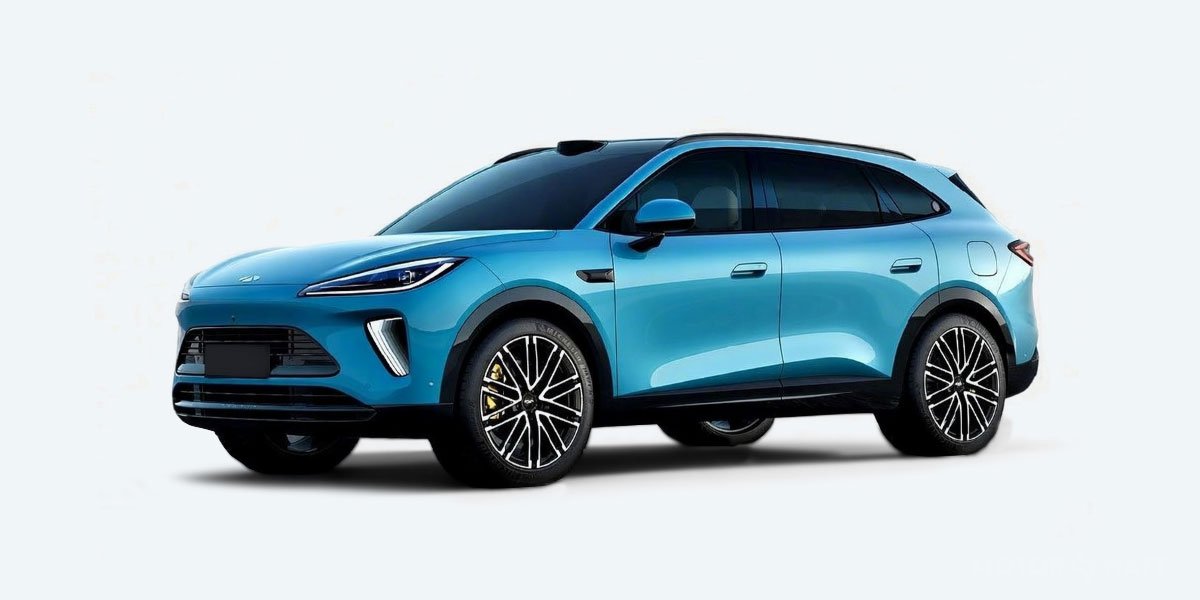
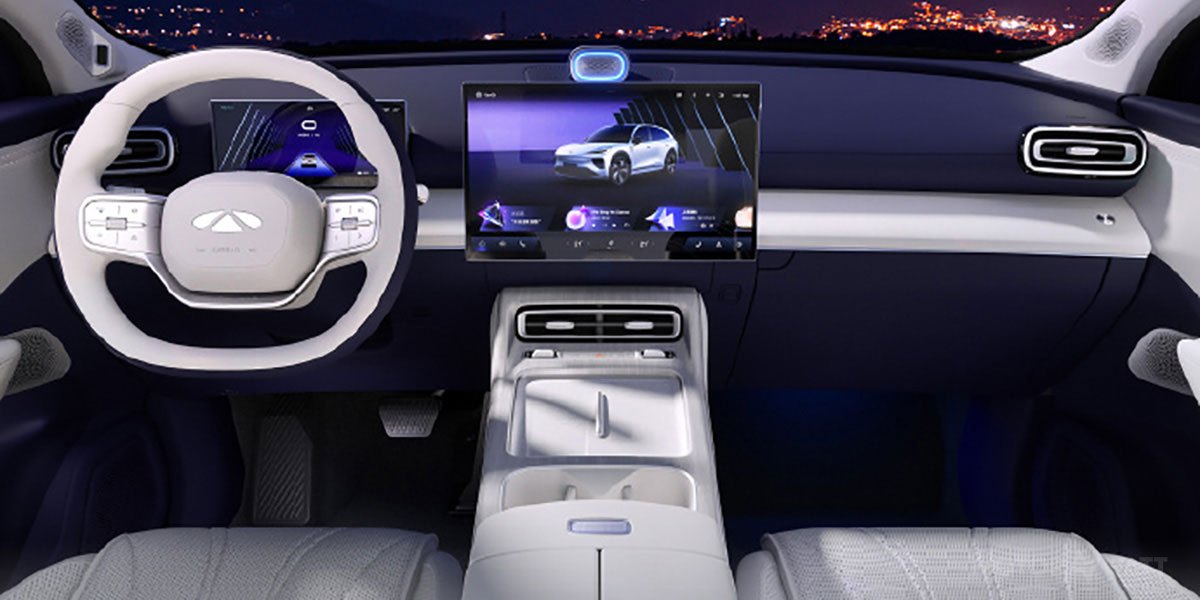
Exterior and Interior photos of Chery Fulwin T9L


Chery Fulwin T9L Review: Early Impressions & Tech Analysis
Chery Fulwin T9L 2026 Introduction:
Chery Fulwin T9L arrives for the 2026 model year as a carefully calculated plug in hybrid SUV designed to satisfy family needs and tech driven buyers alike. Built in China and positioned at the upper end of the Fulwin lineup, the vehicle targets drivers who want extended range, intelligent assistance, and real cabin comfort without premium brand pricing. The SUV format focuses on five seat practicality, generous proportions, and a long wheelbase that favors stability and interior space. A plug in hybrid system anchors the package, delivering electric commuting capability paired with cross country stamina. Starting pricing places the vehicle squarely in reach of mainstream buyers while presenting hardware typically reserved for costlier segments.
- Manufacturer story centers on Chery expansion of its electrified portfolio between compact and luxury segments.
- Unveiling timeline points to a March 2026 market launch as a flagship Fulwin addition.
- Technology highlights include LiDAR assisted driving and the Kunpeng Super Hybrid C-DM system.
- Market positioning focuses on family comfort with high efficiency and long distance capability.
- Starting price begins at $19,500 USD (€16,505 EUR) for the base configuration.
What Is the Price of the Chery Fulwin T9L in 2026?
The base configuration price starts at $19,500 USD (€16,505 EUR). That figure places the SUV among the most accessible midsize plug in hybrid options with advanced driver assistance and long combined range. Pricing scales upward with battery capacity, drivetrain complexity, and onboard technology.
| Trim Level | PRICE | KEY FEATURES |
|---|---|---|
|
Standard Range FWD
|
Front wheel drive plug in hybrid system producing 349 hp. 19.5 kWh battery delivers up to 63 miles (101 km) of electric driving. Balanced tuning favors efficiency and daily comfort.
|
|
|
Long Range FWD
|
Extended usability focus with enhanced equipment and optimized hybrid calibration. Maintains front drive layout with emphasis on smooth urban and highway travel.
|
|
|
Flagship AWD LiDAR Edition
|
All wheel drive configuration with LiDAR based Level 2 plus assistance. Premium cabin upgrades, advanced sound system, and expanded autonomous driving functions.
|
Each trim builds on the same core architecture while tailoring equipment toward efficiency seekers or technology focused drivers. Pricing remains aggressive across the range.
Engine, Battery, and Performance Specs:
Battery & Charging Specifications
Energy storage relies on a 19.5 kWh lithium iron phosphate battery engineered for durability and thermal stability. Pure electric operation reaches up to 63 miles (101 km) under CLTC testing, supporting daily commuting without fuel use. Combined driving range stretches to roughly 870 miles (1,400 km), easing long distance travel. Fast charging supports DC replenishment from 30 to 80 percent in about 20 minutes, while AC charging completes in approximately three hours.
- Battery capacity: 19.5 kWh
- Electric range: 63 miles (101 km)
- Combined range: 870 miles (1,400 km)
- DC charging: 30 to 80 percent in 20 minutes
- AC charging: around 3 hours
Electric Motor Specifications
The hybrid system pairs a high efficiency 1.5T turbocharged engine with an advanced electric drive unit. Combined system output reaches 349 horsepower, translating to approximately 260 kW. Front wheel drive serves the base layout, prioritizing packaging efficiency and predictable handling. Thermal efficiency approaches 45.79 percent, supporting consistent performance even during extended travel.
- Combined output: 349 hp (260 kW)
- Combined torque: 330 Nm
- Powertrain type: plug in hybrid
- Drive layout: FWD standard
Performance Specifications
Acceleration performance suits real world driving needs. The SUV reaches 62 mph (100 kmh) in about 7.8 seconds, delivering confident merging and overtaking. Maximum speed reaches approximately 149 mph (240 kmh) under optimal conditions. Multiple driving modes tailor throttle response and energy usage for city streets or open highways.
- 0 to 62 mph: 7.8 seconds
- Top speed: 149 mph (240 kmh)
- Driving modes: EV, Hybrid, Sport
For daily owners, the setup favors smooth power delivery, efficient cruising, and relaxed long distance comfort.
Exterior and Interior Features
Exterior Design
Exterior proportions emphasize length and stance, measuring roughly 191.7 inches long (4,870 mm) with a 114.9 inch wheelbase (2,920 mm). Design language draws from flowing lines and restrained detailing. LED matrix lighting frames the front and rear, while aerodynamic wheels and flush door hardware reduce drag. Paint finishes include layered tones aimed at premium visual depth.
Interior & Technology
The cabin centers on a wide 17.3 inch 2.5K display paired with a digital instrument cluster. A high speed processor ensures quick responses across navigation and media tasks. Seating focuses on comfort, with front zero gravity chairs offering power adjustment, heating, ventilation, and massage. Rear legroom exceeds 40.8 inches (1,037 mm), supporting adult passengers on longer trips. Optional audio reaches 1,080 watts across 23 speakers.
Interior execution prioritizes space, clarity, and technology integration, creating a lounge like driving environment.
Pros and Cons:
Pros
- Long combined driving range suitable for cross country travel
- Advanced driver assistance with LiDAR availability
- Spacious cabin with generous wheelbase
- Competitive pricing for feature content
- Efficient plug in hybrid powertrain
Cons
- Base battery capacity smaller than some pure electric rivals
- Primary market focus remains Asia at launch
- Top autonomous features reserved for higher trims
Market position & Expert Data:
The midsize hybrid SUV segment continues strong growth through 2026. Research shows global plug in hybrid sales rising over 20 percent year over year, driven by buyers seeking flexibility without charging dependence. According to Reuters, extended range hybrids attract urban professionals balancing commuting and long distance travel. Data reveals consumers increasingly value advanced driver assistance, with adoption rates exceeding 60 percent in new models.
Competitive analysis places the vehicle alongside established players from BYD and Geely. Industry analysts note that longer wheelbases and richer cabins influence purchase decisions more than outright power. According to McKinsey, perceived interior quality influences nearly 45 percent of midsize SUV buyers. The Fulwin positioning aligns closely with that trend.
Conclusion:
Fulwin T9L presents a thoughtfully engineered hybrid SUV aimed at families and tech minded drivers seeking efficiency with breathing room. Pricing remains approachable, range capability supports real travel needs, and interior execution favors comfort. For buyers watching value without sacrificing modern assistance and connectivity, the package lands in a compelling spot within the 2026 market.
Watch the Video Overview


Full specifications
Model Specs
| Specification | Actual Data |
|---|---|
|
Model Name
|
Fulwin T9L
|
|
Model Year
|
2026
|
|
Manufacturer
|
Chery Automobile
|
|
Country of Origin
|
China
|
|
Vehicle Class
|
Mid size SUV
|
Performance
| Specification | Actual Data |
|---|---|
| Powertrain Type | Plug-in Hybrid |
| System Output | 349 hp (260 kW) |
| Torque | 330 Nm (243 lb-ft) |
| Acceleration 0-62 mph | 7.8 sec (0-100 km/h) |
| Top Speed | 149 mph (240 km/h) |
Battery and Charging
| Specification | Actual Data |
|---|---|
| Battery Capacity | 19.5 kWh |
| Battery Chemistry | Lithium Iron Phosphate |
| DC Fast Charging | 30-80 percent in 20 min |
| AC Charging | Approx. 3.0 hours |
Estimated Range Data
| Specification | Actual Data |
|---|---|
| Electric Range | 63 miles (101 km) |
| Combined Range | 870 miles (1,400 km) |
| Urban Range | Up to 70 miles (113 km estimated) |
| Highway Range | Approx. 55 miles (88 km estimated) |
Body Specifications
| Specification | Actual Data |
|---|---|
| Length | 191.7 in (4,870 mm) |
| Width | 76.0 in (1,930 mm) |
| Height | 67.3 in (1,710 mm) |
| Wheelbase | 114.9 in (2,920 mm) |
| Curb Weight | 4,299 lb (1,950 kg) |
Exterior Design Features
| Specification | Actual Data |
|---|---|
| Wheel Size | 19 inch aerodynamic alloys |
| Lighting | LED Matrix Headlamps and Taillights |
| Aerodynamics | Flush door handles, optimized airflow |
| Available Colors | Smoke Green, Floating White, premium finishes |
Interior Design and Materials
| Specification | Actual Data |
|---|---|
| Seating Capacity | 5 passengers |
| Seat Type | Zero gravity seats with heating, ventilation, massage |
| Rear Legroom | 40.8 in (1,037 mm) |
| Cargo Volume | 19.4 cu ft to 70.6 cu ft (550 to 2,000 L) |
Cabin Technical Features
| Specification | Actual Data |
|---|---|
| Central Display | 17.3 inch 2.5K touchscreen |
| Instrument Cluster | Full digital LCD |
| Audio System | 23 speaker system, 1,080 W output |
| Driver Assistance | Level 2 plus with LiDAR, Highway and City support |
F.A.Q. about Chery Fulwin T9L
What is the real electric driving range in daily use?
Chery Fulwin T9L offers up to 101 km or about 63 miles of pure electric range, with real world results varying by speed, climate, and driving style.
- City driving maximizes electric efficiency
- Highway speeds reduce electric range
- Cold temperatures slightly affect output
What is the usable battery capacity?
Fulwin T9L uses a 19.5 kWh lithium iron phosphate battery designed for daily commuting and long term durability.
How long does charging take at home or fast chargers?
Fulwin T9L charges from 30 to 80 percent in about 20 minutes using DC fast charging, while AC home charging completes in roughly 3 hours.
Is it suitable for long distance travel?
The combined driving range reaches around 1,400 km or 870 miles, allowing extended trips without frequent charging or refueling stops.
How does performance compare to gasoline SUVs?
The hybrid system delivers 349 horsepower and accelerates to 100 kmh or 62 mph in about 7.8 seconds, matching many turbo gasoline rivals.
What safety and driver assistance features are available?
Advanced trims include LiDAR based Level 2 plus assistance with highway and city navigation support, adaptive cruise control, and active lane guidance.
Is it available for purchase in the USA or Europe?
Initial market availability focuses on China, with potential expansion to Europe under evaluation, while the USA launch remains unconfirmed.
What is the starting price for buyers?
Chery Fulwin T9L starts at $19,500 USD or approximately €16,505 EUR, positioning it among the most affordable midsize plug in hybrid SUVs.