Exeed EX7 EV 2026: Price, Range, and Technical Specs
Exeed EX7 EV is a 2026 premium electric SUV from China built on the E0X high-voltage platform. It uses a 77 kWh battery, produces 308 hp, drives the rear wheels, and delivers a claimed 625 km, or 388 miles, of range. Base price starts at $26,300 USD (€22,593). Key highlights include 9-minute DC charging, a 30-inch integrated display, a 3,000 mm wheelbase, and advanced brake-by-wire technology aimed at buyers who want executive comfort with cutting-edge EV hardware.


| Starting Price | $26,300 |
| Model Year | 2026 |
| Country of Manufacturing | China |
| Battery Size | 77 kWh |
| Official Range | 388 mi |
| Power | 308 hp |
* Minimum price set for the base trim by the manufacturerr, excluding taxes and additional options

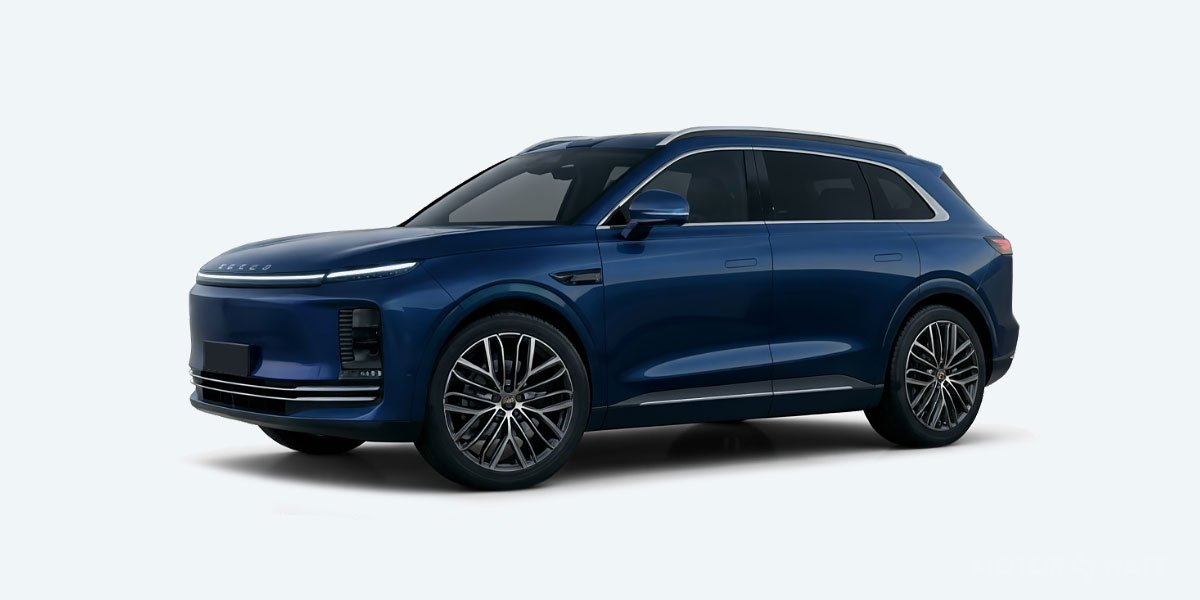
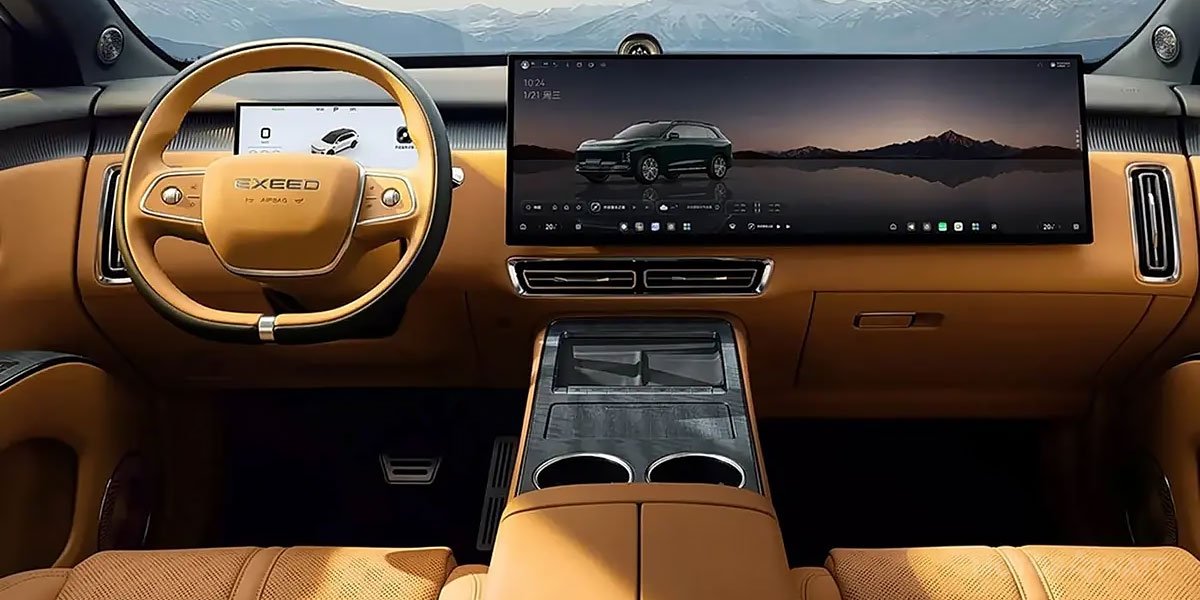
Exterior and Interior photos of Exeed EX7 EV 2026


Exeed EX7 EV 2026 Review: Early Impressions & Tech Analysis
Exeed EX7 EV 2026 overview
Exeed EX7 EV lands in the 2026 model year as a premium electric SUV from Chery’s upscale division in China. It enters a busy class, yet its hardware quickly grabs attention. You get a 77 kWh battery, rear-wheel drive, 308 horsepower, and a claimed 625 km range, or about 388 miles. Top speed reaches 200 km/h, equal to 124 mph, while the run from 0 to 100 km/h takes 6.4 seconds, or about 0 to 62 mph. Base pricing starts at $26,300 USD (€22,593), which plants it well below many European executive rivals. And that value angle matters, because buyers in 2026 want serious range, rapid charging, roomy packaging, and a cabin that feels expensive without a ruinous sticker.
- Manufactured in China for the 2026 model year, with mass production beginning in early 2026.
- Built on the E0X high-voltage platform, aimed at the upper end of the electric SUV market.
- Base trim starts at $26,300 USD (€22,593), giving it a strong premium value pitch.
- World-first mass-produced EMB braking hardware adds a serious engineering talking point.
- Targets executive SUV shoppers seeking long range, quick charging, and a digital-first cockpit.
From an SEO angle, the key story sits right in plain sight. Here is a long range electric SUV with a digital cabin SUV layout, fast charging credentials, and a polished executive footprint. The package aims at drivers who want Tesla-rival tech, NIO-style cabin polish, and everyday practicality in one place. And frankly, the formula looks smart. The broad stance, 3,000 mm wheelbase, and large cargo hold create strong family appeal, while the advanced brake-by-wire setup and LiDAR-ready architecture give tech-minded buyers plenty to talk about. In a market full of sameness, that counts.
What is the Price of Exeed EX7 EV?
The Exeed EX7 EV price starts at $26,300 USD (€22,593). That puts it in the premium electric SUV class, yet the sticker lands closer to mainstream territory than many luxury rivals. For shoppers chasing space, charging speed, and advanced safety tech, that opening number gives the vehicle real traction.
| Trim Level | PRICE | KEY FEATURES |
|---|---|---|
|
EX7 Pro RWD
|
Rear-wheel drive, 77 kWh battery, 625 km CLTC range, 308 hp, 425 Nm, 0 to 100 km/h in 6.4 seconds, 200 km/h top speed, 19-inch wheels, large digital display layout.
|
|
|
EX7 Pro AWD
|
All-wheel drive layout, stronger traction, premium safety focus, executive SUV packaging, likely aimed at buyers in colder climates and mixed-road use.
|
|
|
EX7 Max Long Range
|
Longer-range focus, richer equipment set, large-cabin comfort features, advanced driver-assist hardware, premium interior materials, stronger touring appeal.
|
|
|
EX7 Ultra AWD
|
Flagship trim with AWD, higher equipment density, LiDAR-ready premium hardware, top comfort features, larger wheel options, stronger luxury positioning.
|
Pricing tells a larger story than the raw numbers suggest. The base version already packs the core formula many buyers want, including a usable 77 kWh battery, rear-drive balance, a 625 km CLTC claim, and a very modern cabin theme. Step into the Pro AWD, and the emphasis shifts toward all-weather security and broader appeal in markets where traction matters more than rear-drive purity. The Max trim, as its name suggests, leans toward long-haul comfort and richer equipment. Then the Ultra AWD sits as the full-fat edition, aimed at drivers who want the complete executive-SUV experience with strong tech cachet. Put simply, the ladder makes sense. Each step gives the lineup a clear identity, and that helps the EX7 price structure answer search intent cleanly. Buyers can see where value sits, where comfort rises, and where flagship status begins.
Engine, Battery, and Performance Specs:
Battery & Charging Specifications
The battery setup looks modern and very competitive for the money. In base rear-wheel-drive form, the electric SUV uses a 77 kWh Shenxing 2.0 LFP battery pack. Claimed driving range reaches 625 km on the CLTC cycle, which equals about 388 miles. Estimated WLTP reach sits near 510 km, or roughly 317 miles, a figure that feels more relevant for many European shoppers. Charging speed forms a major selling point, too. DC fast charging from 30 to 80 percent takes only 9 minutes under ideal conditions. AC charging at 11 kW needs about 7.5 hours, which fits overnight home charging nicely. And that 800V electric architecture matters, because it promises shorter stops and less trip-planning hassle.
- Battery capacity: 77 kWh
- Battery chemistry: Shenxing 2.0 LFP
- Claimed range: 625 km CLTC, about 388 miles
- Estimated WLTP range: about 510 km, or 317 miles
- DC charge time: 30 to 80 percent in 9 minutes
- AC charging: 11 kW, about 7.5 hours
Electric Motor Specifications
Under the skin, the base configuration keeps things refreshingly straightforward. A single rear-mounted electric motor sends 230 kW to the back wheels, which converts to 308 horsepower. Torque comes in at 425 Nm, or about 313 lb-ft, enough for brisk takeoffs and easy highway merging. Rear-wheel drive also gives the chassis a cleaner, more balanced feel than many front-biased crossovers. For buyers who enjoy an athletic edge in daily commuting, that layout adds flavor without turning the SUV into a harsh-riding machine. The platform also supports sophisticated driving aids and the brand’s advanced braking tech, so the overall package feels more engineered than improvised. That matters in 2026, when buyers increasingly compare software, braking feel, charging pace, and cabin intelligence as closely as horsepower figures.
- Power output: 230 kW, or 308 hp
- Torque: 425 Nm, or about 313 lb-ft
- Drive type: Rear-Wheel Drive
- Powertrain type: Full-electric
- Platform: E0X high-voltage architecture
Performance Specifications
Performance figures strike a smart balance between comfort and pace. The sprint from 0 to 100 km/h takes 6.4 seconds, which translates to about 0 to 62 mph. That number will not scare a sports sedan, yet it feels lively in a family-sized executive SUV weighing around 2,200 kg, or about 4,850 pounds. Top speed reaches 200 km/h, equal to 124 mph, which suits autobahn-style cruising and long-distance touring. More interesting, though, is the way the chassis tech supports real-world confidence. Electronic Mechanical Braking brings millisecond-fast responses, while the Flying Fish 3.0 system pairs with intelligent air suspension and active ride management. Emergency stopping distance from 100 km/h reportedly drops to 33.1 meters, or about 108.6 feet. That is a serious number, and it supports the EX7 specs story with substance.
- 0 to 100 km/h acceleration: 6.4 seconds
- 0 to 62 mph acceleration: 6.4 seconds
- Top speed: 200 km/h, or 124 mph
- Curb weight: 2,200 kg, or about 4,850 lb
- Emergency stopping distance from 100 km/h: 33.1 m, or about 108.6 ft
For potential owners, the advantage sits in the balance. You get enough power for quick responses, enough range for road trips, and enough charging speed to keep stops short. Then add quiet cruising, advanced braking, and a roomy body, and the package starts to look especially attractive for families and professionals. In plain English, it feels like a modern executive EV built for real life, not just brochure glory.
Exterior and Interior Features
Exterior Design
The exterior gives the SUV a clean, upscale presence without drifting into visual noise. Exeed calls the theme Wind-Driven, and the look backs up that label with a boxy yet smooth profile. Overall length measures 4,988 mm, or 196.4 inches, width spans 1,975 mm, or 77.8 inches, and height reaches 1,710 mm, or 67.3 inches. Wheelbase stretches to 3,000 mm, or 118.1 inches, which goes a long way toward the roomy cabin. Up front, a closed grille and full-width LED light bar create a crisp EV identity. Interactive ISD headlamps add a layer of theater and communication. Frameless doors and hidden electric handles elevate the premium feel, while high-rigidity acoustic glass helps keep the cabin hushed. Around back, the light bar continues the minimalist theme, and a wind-guiding spoiler supports high-speed stability. Standard 19-inch alloys suit the base trim, while optional 21-inch wheels add visual punch.
Interior & Technology
Inside, the EX7 pushes hard toward lounge-like comfort. Materials include low-odor faux deer leather and natural linen fiber, giving the cabin an eco-conscious premium flavor. The headline feature is a massive 30-inch suspended integrated display that merges central and passenger-facing functions into one dramatic panel. A 15.6-inch 2.5K floating screen handles secondary controls, while a dedicated driver display keeps vital information easy to scan. The front passenger seat offers a zero-gravity layout with 10-layer Nappa leather and leg support, which sounds more business-class airline than family crossover. Add up to 31 speakers from the Boya audio system, including headrest units, and the in-cabin experience starts feeling quite lavish. A panoramic dome sunroof with nano-silver coating blocks 99.9 percent of UV radiation while keeping the interior bright. Cargo space also looks healthy at 540 liters with seats up, equal to about 19.1 cubic feet, and 1,850 liters max, or roughly 65.3 cubic feet.
For buyers, the payoff is simple. Exterior styling carries enough character to stand out in traffic, yet it avoids fussy details that age badly. The cabin, meanwhile, aims straight at comfort, perceived quality, and digital convenience. There is room for family duty, road-trip gear, and long daily commutes. And with a large panoramic roof, rich audio setup, and expansive screens, the EX7 leans into the modern idea of an electric SUV as a rolling lounge.
Pros and Cons:
Pros
- Strong value pricing for a premium electric SUV
- Very fast DC charging with 800V architecture
- Generous 625 km CLTC range claim
- Spacious executive-size cabin and long wheelbase
- Advanced EMB brake-by-wire engineering
- High-end display layout and premium seating features
- Quiet ride focus with acoustic glass and active noise control
- Healthy cargo capacity for family use
Cons
- CLTC range figure may look optimistic beside real-world driving
- Brand recognition trails BMW, Audi, and Tesla in many markets
- Top trims climb far above the base model price
- Large size may feel cumbersome in tight urban spaces
- Some advanced autonomy hardware may vary by trim and market
- New EMB technology may raise buyer questions about long-term service familiarity
Summary of Exeed EX7 EV
The Exeed EX7 EV comes across as a very well-judged executive electric SUV for 2026. It pairs fast charging, roomy dimensions, premium cabin treatment, and advanced braking hardware in a package that looks aggressive on value. Buyers chasing an electric SUV review, price, range, and specs answer will find a lot to like here. In a crowded field, the formula feels sharp, current, and easy to justify for families and tech-focused professionals.
Watch the Video Overview


Full specifications
Model Specs
| Specification | Actual Data |
|---|---|
|
Model Name
|
EX7 EV
|
|
Model Year
|
2026
|
|
Manufacturer
|
Exeed, Chery premium division
|
|
Country of Origin
|
China
|
|
Vehicle Class
|
Mid-to-large executive electric SUV
|
|
Body Type
|
SUV
|
|
Body Style
|
5-door SUV
|
|
Platform
|
E0X high-voltage platform
|
|
Production Start
|
Early 2026 mass production
|
|
Global Counterpart
|
Exlantix ET
|
Performance
| Specification | Actual Data |
|---|---|
|
Power Type
|
Electric
|
|
Powertrain Type
|
Full-electric BEV
|
|
Drive Type
|
Rear-Wheel Drive RWD
|
|
Motor Output
|
230 kW 308 hp
|
|
Torque
|
425 Nm 313 lb-ft
|
|
Maximum Speed
|
200 km/h 124 mph
|
|
Acceleration 0-100 km/h
|
6.4 seconds
|
|
Acceleration 0-62 mph
|
6.4 seconds
|
|
Emergency Braking Distance from 100 km/h
|
33.1 m 108.6 ft
|
|
Suspension System
|
Flying Fish 3.0 with intelligent air suspension
|
|
Ride Height Adjustment
|
6 cm 2.4 in
|
Battery and Charging
| Specification | Actual Data |
|---|---|
|
Battery Capacity
|
77 kWh
|
|
Battery Chemistry
|
Shenxing 2.0 LFP lithium iron phosphate
|
|
Architecture
|
800V high-voltage architecture
|
|
AC Charging Rate
|
11 kW
|
|
AC Charging Time
|
About 7.5 hours
|
|
DC Fast Charging Window
|
30 percent to 80 percent
|
|
DC Fast Charging Time
|
About 9 minutes
|
|
Battery Placement
|
Floor-mounted battery pack
|
Estimated Range Data
| Specification | Actual Data |
|---|---|
|
Claimed Electric Range CLTC
|
625 km 388 mi
|
|
Estimated WLTP Range
|
510 km 317 mi
|
|
Estimated Real-World Mixed Range
|
Around 510 km 317 mi
|
|
EPA Range
|
Not stated
|
|
City Range
|
Not stated
|
|
Highway Range
|
Not stated
|
|
Cold Weather Range
|
Not stated
|
Body Specifications
| Specification | Actual Data |
|---|---|
|
Length
|
4,988 mm 196.4 in
|
|
Width
|
1,975 mm 77.8 in
|
|
Height
|
1,710 mm 67.3 in
|
|
Wheelbase
|
3,000 mm 118.1 in
|
|
Cargo Capacity Seats Up
|
540 L 19.1 cu ft
|
|
Maximum Cargo Capacity
|
1,850 L 65.3 cu ft
|
|
Curb Weight
|
2,200 kg 4,850 lb
|
|
Standard Wheel Size
|
19-inch alloy wheels
|
|
Optional Wheel Size
|
21-inch wheels
|
Exterior Design Features
| Specification | Actual Data |
|---|---|
|
Design Philosophy
|
Wind-Driven design philosophy
|
|
Front Fascia
|
Closed grille with full-width LED light bar
|
|
Headlights
|
Interactive ISD headlights with symbol and charging status display
|
|
Door Design
|
Frameless doors with hidden electric door handles
|
|
Glass
|
High-rigidity noise-reducing glass
|
|
Roof Sensor Module
|
Roof-mounted LiDAR on mid-to-high trims
|
|
Rear Design
|
Integrated tail light bar with wind-guiding spoiler
|
|
Active Aerodynamics
|
Wind-guiding spoiler for improved high-speed stability
|
|
Brake Hardware
|
Optional six-piston calipers with 21-inch wheel package
|
|
Available Colors
|
Not stated
|
Interior Design and Materials
| Specification | Actual Data |
|---|---|
|
Interior Theme
|
Eco-Conscious Opulence
|
|
Primary Upholstery Material
|
Low-odor faux deer leather
|
|
Sustainable Trim Material
|
Natural linen fiber
|
|
Front Passenger Seat
|
Zero-gravity seat with integrated leg rests
|
|
Premium Seat Finish
|
10-layer Nappa leather on front passenger seat
|
|
Roof Type
|
Panoramic dome sunroof
|
|
Sunroof Coating
|
Nano-silver coating
|
|
UV Resistance
|
99.9 percent UV resistance
|
|
Cabin Atmosphere
|
Bright, airy, lounge-like cabin environment
|
Cabin Technical Features
| Specification | Actual Data |
|---|---|
|
Primary Integrated Display
|
30-inch suspended integrated display
|
|
Secondary Touchscreen
|
15.6-inch 2.5K floating touchscreen
|
|
Driver Display
|
Dedicated driver instrument cluster
|
|
Audio System
|
Boya sound system
|
|
Speaker Count
|
Up to 31 speakers
|
|
Headrest Speakers
|
Included for personalized sound zones
|
|
Driver Assistance System
|
Falcon driver-assist system
|
|
Autonomy Hardware
|
LiDAR-based setup aimed at Level 3 autonomous driving on higher trims
|
|
Noise Control
|
Active noise cancellation with double-layer glass
|
|
Driving Modes
|
Multiple modes adjusting torque delivery and pedal sensitivity
|
|
Braking Technology
|
Electronic Mechanical Braking EMB brake-by-wire system
|
F.A.Q. about Exeed EX7 EV 2026
What is the real range on a single charge?
Exeed EX7 EV carries a claimed 625 km range under CLTC testing, which equals about 388 miles. In more realistic mixed driving, around 510 km or 317 miles looks like the more useful estimate.
How long does charging take with home and fast charging?
DC fast charging from 30 percent to 80 percent takes about 9 minutes in ideal conditions. AC charging at 11 kW takes roughly 7.5 hours, so overnight charging fits the routine nicely.
Is rear wheel drive a good setup for a premium electric SUV?
Yes, rear wheel drive usually gives cleaner balance and a more natural feel in corners. It also helps deliver smooth power without the nose-heavy character some crossovers carry.
How much cargo space is available for family use?
The luggage area offers 540 liters with the seats up, or about 19.1 cubic feet. Fold the rear seats, and capacity rises to 1,850 liters, or roughly 65.3 cubic feet.
Is the braking system different from other electric SUVs?
Yes, and that is one of the biggest talking points. The model uses Electronic Mechanical Braking, a brake-by-wire setup that replaces traditional hydraulic hardware with electronic actuators for quicker response.
How strong is the performance for everyday driving?
Power reaches 308 hp, or 230 kW, with 425 Nm of torque, equal to about 313 lb-ft. That is enough for quick merging, easy overtaking, and a 0 to 100 km/h time of 6.4 seconds.
Can it handle long-distance travel in the USA or Europe?
Yes, the range, rapid charging, and large-cabin comfort make it suitable for long trips. The big caveat is charging-network coverage, which matters more in rural areas than in major metro corridors.
What kind of interior technology stands out most?
The cabin centers on a 30-inch suspended integrated display and a 15.6-inch 2.5K floating touchscreen. Add the zero-gravity passenger seat, panoramic roof, and available 31-speaker audio system, and the vibe feels properly upscale.
What is the battery capacity and charging technology?
Exeed EX7 EV uses a 77 kWh Shenxing 2.0 LFP battery pack. It also runs an 800V high-voltage architecture, which supports very short DC charging stops and stronger road-trip usability.
What is the price for buyers comparing value in this class?
Exeed EX7 EV starts at $26,300 USD, which is about €22,593. That price gives it a strong value edge against many premium electric SUV rivals with similar size, range, and cabin equipment.