GAC Aion N60 2026: Price, Range, and Technical Specs
GAC Aion N60 is a compact electric SUV for the 2026 model year, manufactured in China and designed for urban use. It features a 47.8 kWh lithium iron phosphate battery, delivers 148 hp, and offers up to 410 km or 255 miles of CLTC range. Front wheel drive, fast DC charging in 25 minutes, and a starting price of $25,500 USD (€21,560) position the N60 as an affordable electric family vehicle focused on efficiency, safety, and interior space.


| Starting Price | $25,500 |
| Model Year | 2026 |
| Country of Manufacturing | China |
| Battery Size | 47.8 kWh |
| Official Range | 255 mi |
| Power | 148 hp |
* Minimum price set for the base trim by the manufacturerr, excluding taxes and additional options

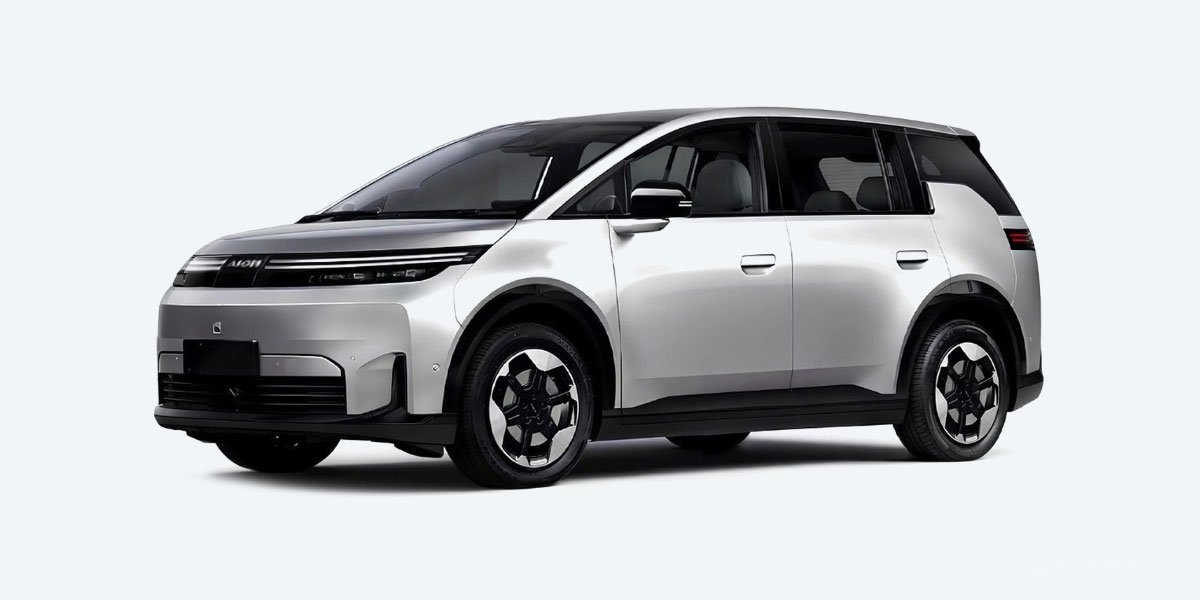
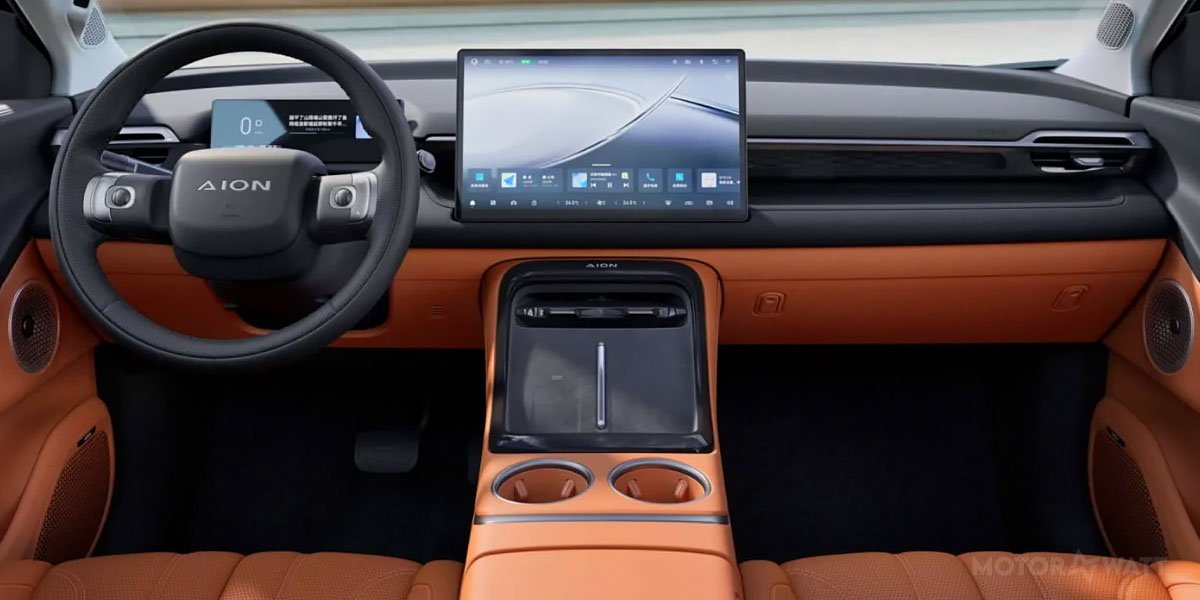
Exterior and Interior photos of GAC Aion N60 2026


GAC Aion N60 2026 Review: Early Impressions & Tech Analysis
GAC Aion N60 Introduction:
GAC Aion N60 enters the 2026 model year as a compact electric SUV aimed straight at urban life and family duty. Developed in China and sold as a full electric platform, the vehicle focuses on efficiency, packaging, and restrained design. Pricing begins at $25,500 USD (€21,560), placing the model firmly in the accessible EV category. A flat floor architecture, modern safety systems, and an LFP battery underline practical intent. The formula targets daily usability over spectacle. Think commuter friendly dimensions, clean surfaces, and software driven features that matter in traffic.
- Manufactured in China with global market ambitions
- Model year 2026 with full electric platform design
- Starting price $25,500 USD (€21,560) for the base trim
- C segment SUV focused on urban families and professionals
- Magazine Battery 2.0 with enhanced thermal control
How Much Does the GAC Aion N60 Cost?
The GAC Aion N60 price starts at $25,500 USD (€21,560). That entry figure positions the model among the most competitively priced electric SUVs in the compact segment. Buyers gain a full electric drivetrain, modern safety tech, and a practical body style without stepping into premium territory.
| Trim Level | Price | Key Features |
|---|---|---|
|
Base
|
47.8 kWh LFP battery, 410 km range, 148 hp motor, FWD layout, 14.6 inch touchscreen, full LED lighting.
|
|
|
Plus
|
Expanded comfort features, enhanced interior materials, additional driver assistance functions.
|
|
|
Max
|
Extended range calibration, upgraded wheels, improved sound insulation, advanced infotainment.
|
|
|
Premium LiDAR
|
LiDAR ready hardware, advanced autonomous assistance suite, premium cabin detailing.
|
The trim structure keeps pricing transparent while allowing buyers to scale technology and comfort according to budget.
Engine, Battery, and Performance Specs:
Battery & Charging Specifications
The electric SUV uses a 47.8 kWh lithium iron phosphate battery engineered for longevity and thermal stability. CLTC range reaches 410 km or about 255 miles, while real world mixed driving settles closer to 310 to 330 km or 193 to 205 miles. AC charging from empty to full requires about 7.5 hours. DC fast charging moves the battery from 30 to 80 percent in roughly 25 minutes.
- Battery capacity 47.8 kWh LFP
- Range 410 km or 255 miles CLTC
- DC fast charge 30 to 80 percent in 25 minutes
- AC charge 0 to 100 percent in 7.5 hours
Electric Motor Specifications
A front mounted electric motor delivers 110 kW or 148 horsepower. Torque output reaches 210 Nm or about 155 lb ft. Power flows to the front wheels through a single speed reduction gear. The setup prioritizes smooth delivery and efficiency during stop and go driving.
- Motor output 148 hp or 110 kW
- Torque 210 Nm or 155 lb ft
- Drive type front wheel drive
Performance Specifications
Acceleration from 0 to 100 km h takes 8.9 seconds or roughly 0 to 62 mph. Top speed reaches 160 km h or 99 mph. Driving modes alter throttle response and regeneration strength. One pedal driving assists city efficiency and reduces brake use.
- 0 to 100 km h in 8.9 seconds
- Top speed 160 km h or 99 mph
- Eco Comfort Sport drive modes
The configuration favors daily usability, smooth response, and predictable handling for commuters.
Exterior and Interior Features
Exterior Design
The exterior adopts digital minimalism with clean surfaces and balanced proportions. Length measures 4615 mm or 181.7 inches, width 1860 mm or 73.2 inches, and height 1673 mm or 65.9 inches. A full width LED light bar defines the front. Aerodynamic efficiency reaches a drag coefficient near 0.27. Seventeen inch wheels come standard, tuned for low turbulence.
Interior & Technology
Cabin design emphasizes space and clarity. A 14.6 inch central touchscreen controls vehicle systems. An 8.8 inch digital cluster presents driving data. Wheelbase spans 2775 mm or 109.3 inches, enabling strong rear legroom. Cargo volume measures 427 liters or 15.1 cubic feet. Connectivity includes OTA updates, 5G support, and multiple USB C ports.
Interior materials focus on low VOC finishes, sustainable upholstery, and practical storage solutions.
Pros and Cons:
Pros
- Competitive pricing for an electric SUV
- Efficient LFP battery chemistry
- Strong interior space for the segment
- Fast DC charging capability
- Advanced driver assistance availability
Cons
- Single motor front wheel drive layout only
- Real world range lower than CLTC rating
- Limited performance focus
Market Position & Expert Data:
The compact electric SUV market continues expanding through 2026. According to Reuters, global EV sales growth in China exceeded 30 percent year over year in 2025. Research shows demand shifting toward affordable electric crossovers with real world usability. Data reveals LFP battery adoption rising due to cost stability and safety performance.
McKinsey research indicates urban EV buyers prioritize charging speed and interior space over acceleration figures. A senior analyst noted compact electric SUVs account for nearly 40 percent of new EV registrations in major Chinese cities. That statistic highlights why models focused on price discipline and packaging attract strong interest.
Summary:
The GAC Aion N60 fits buyers seeking an efficient electric SUV with rational pricing and modern technology. Daily usability, interior room, and charging speed define its appeal. For city focused drivers and small families, the formula feels sensible. A calm design and predictable performance support long term ownership confidence.
Full specifications
Model Specs
| Specification | Actual Data |
|---|---|
|
Model Name
|
GAC Aion N60
|
|
Model Year
|
2026
|
|
Manufacturer
|
GAC Group, Aion brand
|
|
Country of Origin
|
China
|
|
Vehicle Class
|
Compact SUV, C segment crossover
|
|
Body Type
|
SUV / Crossover
|
Performance
| Specification | Actual Data |
|---|---|
|
Power Type
|
Full electric BEV
|
|
Powertrain Layout
|
Single motor, front mounted
|
|
Drive Type
|
FWD
|
|
Power Output
|
148 hp (110 kW)
|
|
Torque
|
210 Nm (155 lb ft)
|
|
Acceleration 0 to 62 mph (0 to 100 km/h)
|
8.9 sec (0 to 62 mph), 8.9 sec (0 to 100 km/h)
|
|
Top Speed
|
99 mph (160 km/h)
|
|
Drive Modes
|
Eco, Comfort, Sport
|
Battery and Charging
| Specification | Actual Data |
|---|---|
|
Battery Capacity
|
47.8 kWh
|
|
Battery Chemistry
|
LFP, lithium iron phosphate
|
|
Battery Safety System
|
Magazine Battery 2.0 thermal management
|
|
Charging Time AC (0 to 100 percent)
|
About 7.5 hours
|
|
Charging Time DC (30 to 80 percent)
|
About 25 minutes
|
|
Charging Time (10 to 80 percent)
|
Not stated
|
|
Fast Charging Rate
|
Not stated
|
|
Nominal Voltage
|
Not stated
|
Estimated Range Data
| Specification | Actual Data |
|---|---|
|
Rated Range
|
255 miles (410 km) CLTC
|
|
Real World Mixed Range
|
193 to 205 miles (310 to 330 km)
|
|
City Range
|
Up to about 205 miles (330 km)
|
|
Highway Range
|
About 186 miles (300 km)
|
|
Cold Weather Range
|
Around 174 miles (280 km)
|
|
EPA Range
|
Not stated
|
|
WLTP Range
|
Not stated
|
Body Specifications
| Specification | Actual Data |
|---|---|
|
Length
|
181.7 in (4615 mm)
|
|
Width
|
73.2 in (1860 mm)
|
|
Height
|
65.9 in (1673 mm)
|
|
Wheelbase
|
109.3 in (2775 mm)
|
|
Curb Weight
|
3,770 lb (1710 kg)
|
|
Cargo Capacity
|
15.1 cu ft (427 L)
|
|
Ground Clearance
|
Not stated
|
Exterior Design Features
| Specification | Actual Data |
|---|---|
|
Design Theme
|
Digital minimalism, geometric silhouette
|
|
Front Lighting
|
Full width LED light bar, vertical signature lamps
|
|
Rear Lighting
|
Full width thin LED tail light strip
|
|
Aerodynamics
|
Drag coefficient about 0.27
|
|
Door Handles
|
Flush pop out handles
|
|
Wheels
|
17 in aerodynamic alloy wheels
|
|
Available Colors
|
Holographic Silver, Polar White, Night Shadow Black
|
Interior Design and Materials
| Specification | Actual Data |
|---|---|
|
Cabin Layout
|
Flat floor EV architecture, lounge style layout
|
|
Seat Upholstery
|
Sustainable leatherette
|
|
Front Seat Comfort
|
Zero Gravity seat design
|
|
Rear Seat Function
|
60 40 split folding bench
|
|
Interior Materials
|
Low VOC cabin materials
|
Cabin Technical Features
| Specification | Actual Data |
|---|---|
|
Infotainment Display
|
14.6 in central touchscreen
|
|
Instrument Display
|
8.8 in digital cluster
|
|
Connectivity
|
5G integration, OTA updates, smartphone mirroring
|
|
Audio System
|
9 speaker sound system
|
|
Charging Ports
|
Multiple USB C ports
|
|
Driver Assistance
|
Adaptive cruise, lane assistance, autonomous emergency braking
|
|
Parking Support
|
360 degree surround view camera
|
|
Hardware Readiness
|
LiDAR ready hardware
|
F.A.Q. about GAC Aion N60 2026
What is the real world driving range on a single charge?
The GAC Aion N60 delivers a practical real world range that suits daily commuting and mixed use driving.
- Mixed driving about 193 to 205 miles (310 to 330 km)
- City focused use up to about 205 miles (330 km)
- Cold weather range around 174 miles (280 km)
What battery capacity does this electric SUV use?
The GAC Aion N60 uses a 47.8 kWh lithium iron phosphate battery designed for durability and thermal stability.
How long does it take to charge the battery?
The GAC Aion N60 supports both AC home charging and DC fast charging for flexible daily routines.
- DC charging from 30 to 80 percent in about 25 minutes
- AC charging from empty to full in roughly 7.5 hours
What is the starting price for buyers in the United States?
The GAC Aion N60 starts at $25,500 USD, positioning it among the most affordable compact electric SUVs in its segment.
Can this electric SUV use public charging stations in the USA and Europe?
The vehicle supports common AC and DC charging standards, allowing use of most public charging stations across Europe and growing networks in the USA.
Is it suitable for long distance travel?
Fast charging capability and stable highway efficiency make long distance trips manageable with planned charging stops.
What kind of maintenance does an electric SUV require?
Maintenance focuses on tires, brakes, suspension, and software updates, with fewer mechanical components than gasoline vehicles.
How safe is this vehicle for family use?
Standard safety systems include adaptive cruise control, lane assistance, autonomous emergency braking, and a 360 degree camera system.
How does cold weather affect battery performance?
The GAC Aion N60 uses an LFP battery with strong thermal stability, though winter conditions typically reduce driving range by about 10 to 15 percent.