Tesla Cybertruck 2026: Price, Range, and Technical Specs
Tesla Cybertruck is a full electric pickup built in the USA with a stainless steel exterior and advanced software control. For 2026, the rear wheel drive model delivers 315 hp, a 123 kWh battery, and up to 402 km or 250 miles of range. Fast charging reaches 250 kW, adding about 200 km in 15 minutes. Starting at $60,990 (€51,579), it targets drivers seeking electric utility, durable construction, and modern interior technology.


| Starting Price | $60,990 |
| Model Year | 2026 |
| Country of Manufacturing | USA |
| Battery Size | 123 kWh |
| Official Range | 250 mi |
| Power | 315 hp |
* Minimum price set for the base trim by the manufacturerr, excluding taxes and additional options

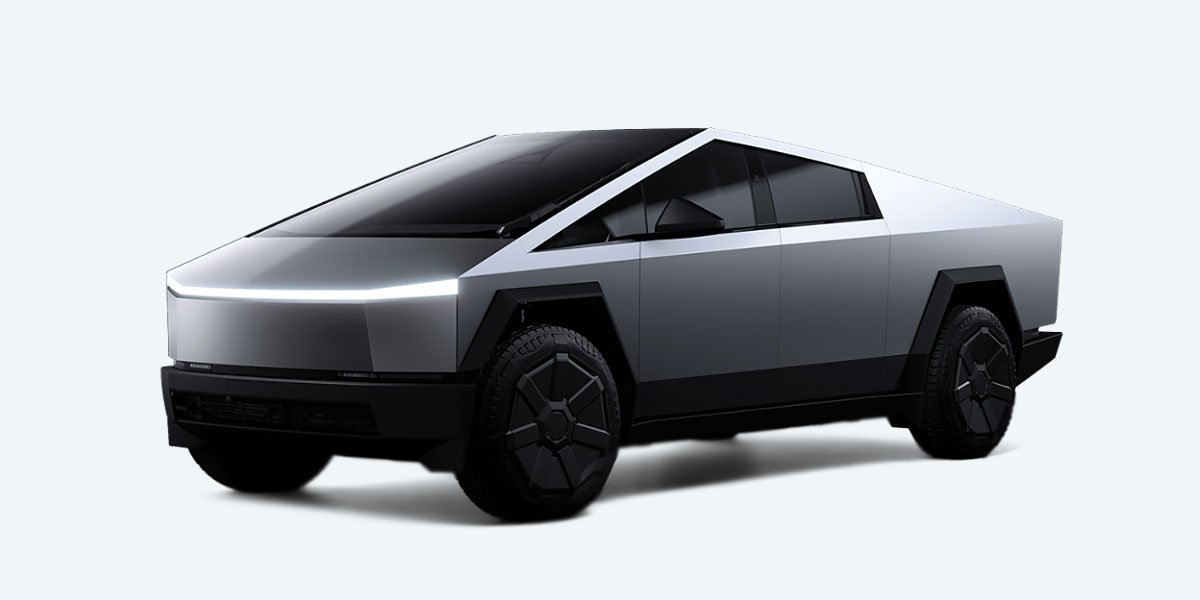
Exterior and Interior photos of Tesla Cybertruck 2026


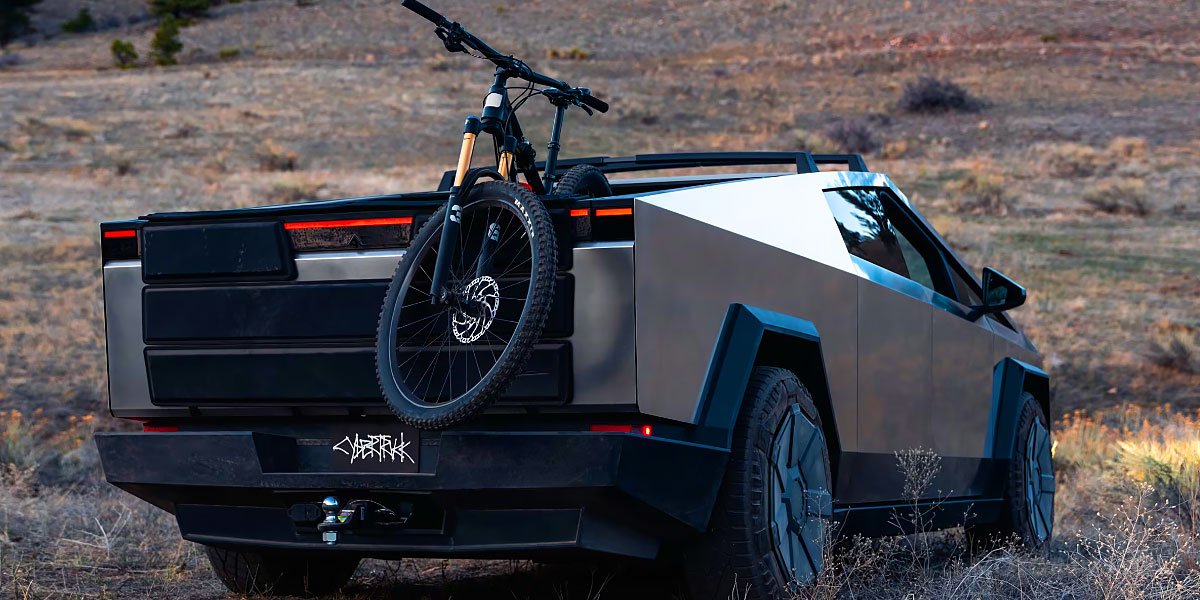
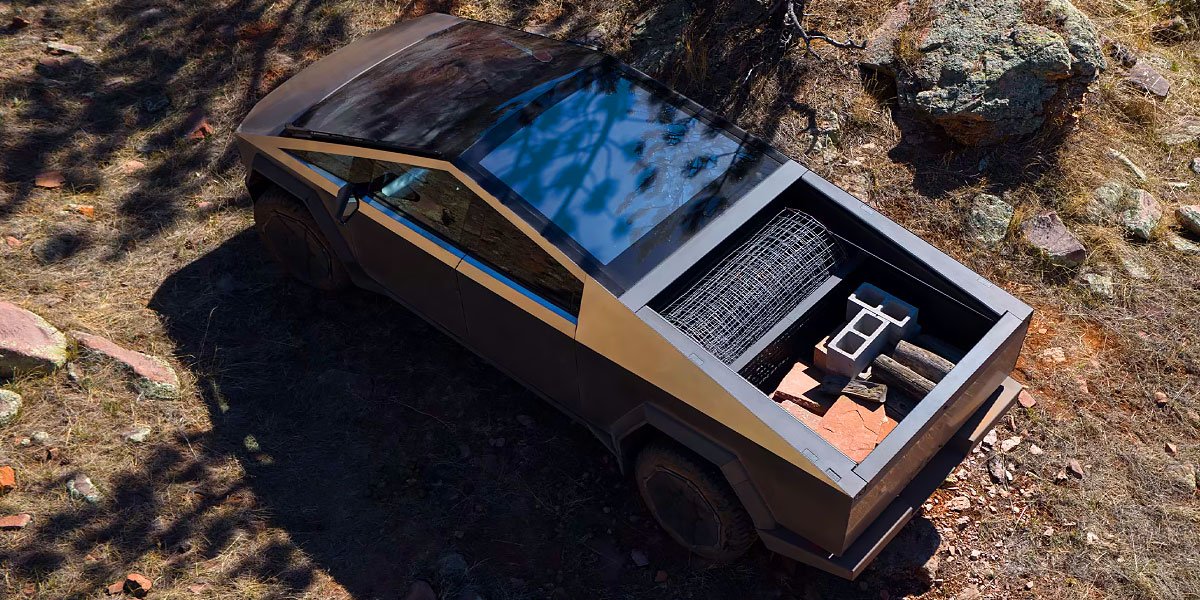
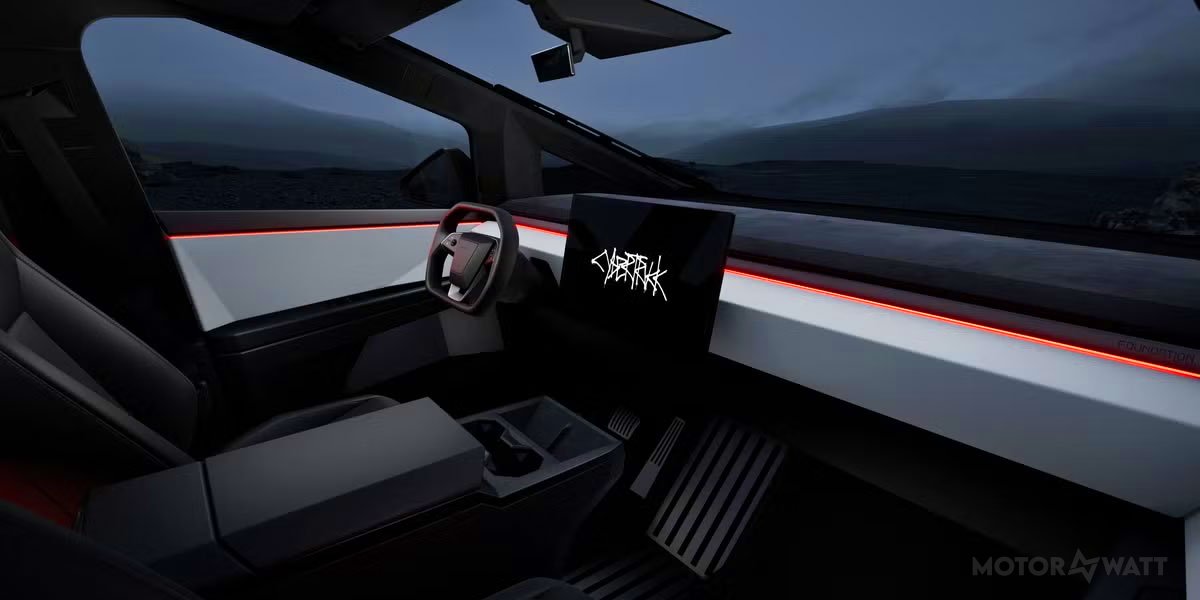
Tesla Cybertruck 2026 Review: Early Impressions & Tech Analysis
Tesla Cybertruck 2026 Introduction:
Tesla Cybertruck arrives for model year 2026 as an electric pickup shaped by ambition and manufacturing bravado. Built in the USA, it sits inside the pickup category with a stainless steel shell and a battery sized for real workdays. The design targets buyers who value durability, software control, and electric range in one tool. Power delivery favors efficiency and usability, while the bed and cabin serve mixed urban and jobsite needs. Pricing places the entry model within reach of buyers shifting from gasoline trucks to electric mobility. And the visual presence announces intent before the wheels turn.
- Manufacturing story centers on American production with a focus on structural efficiency and reduced finishing complexity.
- Unveiling and evolution show a move from concept shock to production discipline.
- New features emphasize software updates, charging capability, and interior technology.
- Starting price positions the base pickup as an attainable electric workhorse.
- Market role targets professionals and fleets seeking electric utility with minimal ornament.
How much does the Tesla Cybertruck cost?
The Tesla Cybertruck price starts at $60,990 USD (€51,579). That figure places the rear wheel drive pickup within the competitive electric truck segment while preserving premium hardware and software depth.
| Trim Level | PRICE | KEY FEATURES |
|---|---|---|
|
Rear Wheel Drive
|
Single motor RWD, 315 hp, 402 km range from a 123 kWh battery. Adaptive air suspension, steer by wire, four wheel steering, 250 kW DC charging.
|
|
|
All Wheel Drive
|
Dual motor AWD, quicker acceleration, enhanced traction, extended performance tuning, upgraded interior options.
|
|
|
Cyberbeast Tri Motor
|
Tri motor setup, extreme acceleration, performance suspension, aggressive tuning for enthusiasts.
|
Trim separation focuses on drivetrain complexity, acceleration, and off road capability. Battery architecture remains central across versions, while software scales features through updates.
Engine, Battery, and Performance Specs:
Battery & Charging Specifications
The battery pack measures 123 kWh and supports a driving range of 402 km, equal to about 250 miles. Real world use benefits from regenerative braking tuned for one pedal control. Fast charging reaches 250 kW, restoring roughly 200 km or 124 miles in 15 minutes. Thermal management maintains charging consistency across seasons.
- Battery capacity 123 kWh
- Range 402 km or 250 miles
- DC fast charging up to 250 kW
- Charge gain about 200 km in 15 minutes
Electric Motor Specifications
Power comes from a single rear mounted motor delivering 315 hp or about 235 kW. Torque output reaches 450 Nm or 332 lb ft. Rear wheel drive suits efficiency and predictable handling under load. The drivetrain layout frees space for battery packaging and cabin comfort.
- Power output 315 hp or 235 kW
- Torque 450 Nm or 332 lb ft
- Drive type rear wheel drive
- Single motor configuration
Performance Specifications
Acceleration from 0 to 100 km h arrives in 6.7 seconds. Top speed reaches 180 km h or 112 mph. Adaptive air suspension adjusts ride height by 100 mm or about 4 inches. Four wheel steering trims turning radius for city use.
- 0 to 100 km h in 6.7 seconds
- Top speed 180 km h or 112 mph
- Adaptive air suspension with height adjustment
- Four wheel steering standard
Daily driving rewards smooth torque delivery and low center of gravity. Urban maneuvering feels lighter than size suggests. Highway stability benefits from battery mass placement.
Exterior and Interior Features
Exterior Design
The exterior uses ultra hard cold rolled stainless steel panels shaped into flat planes and sharp angles. Paint free surfaces reduce upkeep and preserve industrial character. A full width LED light bar defines the front, while a continuous rear strip handles signaling. Aerodynamics improve through a powered vault cover sealing the bed. Dimensions measure 5682 mm long, 2032 mm wide, and 1791 mm tall, equal to 223.7 by 80 by 70.5 inches.
Interior & Technology
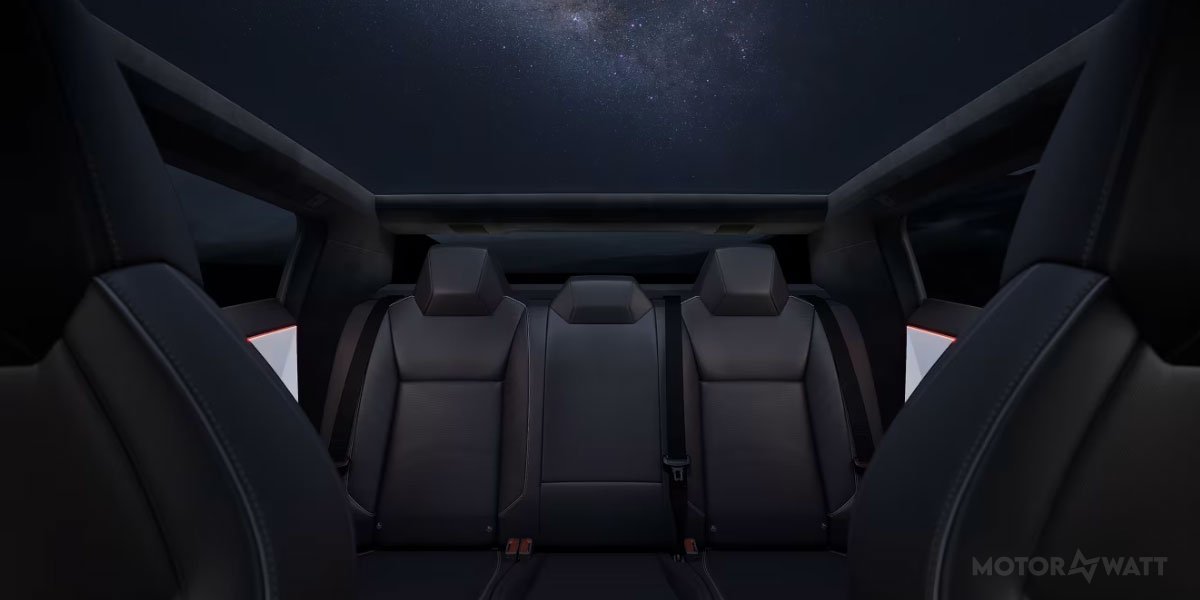
Inside, a minimalist cabin centers on an 18.5 inch touchscreen controlling vehicle functions. Rear passengers gain a 9.4 inch display for climate and media. Materials favor durability with recycled fabrics and synthetic surfaces. Heated and ventilated front seats support long drives. Power outlets supply 120V and 240V tools from the bed.
Design and cabin choices favor function over ornament. Technology integration supports workdays and family use with equal ease.
Pros and Cons:
Pros
- Stainless steel body reduces maintenance
- Large battery supports daily utility
- Fast charging capability
- Advanced steering technology
- Strong software ecosystem
Cons
- Polarizing exterior design
- Large dimensions challenge tight parking
- Rear drive limits extreme off road use
Market position & Expert Data:
The electric pickup market expands rapidly during 2025 and 2026. According to Reuters, electric truck adoption grows above 30 percent year over year as charging access improves. Analysts note demand from fleets seeking lower operating costs.
Research from McKinsey shows battery electric pickups reduce total cost of ownership by up to 20 percent over five years. Software updates and energy efficiency drive value retention.
An automotive analyst quoted by Harvard Business Review highlights stainless construction as a cost control strategy that scales production. Data reveals buyers prioritize charging speed and cabin technology over towing extremes.
Conclusion:
Cybertruck for 2026 serves buyers seeking electric utility with clear purpose. Pricing aligns with premium hardware and software depth. Performance suits daily use while charging speed supports long trips. Design speaks loudly, yet function backs the look. For professionals and fleets ready for electric transition, the package answers real needs.
Watch the Video Overview


Full specifications
Model Specs
| Specification | Actual Data |
|---|---|
|
Model Name
|
Cybertruck
|
|
Model Year
|
2026
|
|
Vehicle Class
|
Pickup Truck
|
|
Powertrain Type
|
Full Electric
|
|
Country of Origin
|
USA
|
|
Manufacturer
|
Tesla
|
Performance
| Specification | Actual Data |
|---|---|
|
Drive Type
|
Rear Wheel Drive
|
|
Power Output
|
315 hp (235 kW)
|
|
Torque
|
450 Nm (332 lb ft)
|
|
Acceleration 0 to 62 mph (0 to 100 km h)
|
6.7 seconds
|
|
Top Speed
|
180 km h (112 mph)
|
Battery and Charging
| Specification | Actual Data |
|---|---|
|
Battery Capacity
|
123 kWh
|
|
DC Fast Charging Peak Rate
|
250 kW max
|
|
Fast Charge Gain
|
200 km in 15 minutes (124 miles in 15 minutes)
|
Estimated Range Data
| Specification | Actual Data |
|---|---|
|
Electric Range
|
402 km (250 miles)
|
Body Specifications
| Specification | Actual Data |
|---|---|
|
Length
|
5,682 mm (223.7 in)
|
|
Width
|
2,032 mm (80.0 in)
|
|
Height
|
1,791 mm (70.5 in)
|
|
Wheelbase
|
3,635 mm (143.1 in)
|
|
Curb Weight
|
2,989 kg (6,590 lb)
|
|
Cargo Capacity
|
563 kg (1,241 lb)
|
|
Cargo Volume
|
3,427 liters (121 cu ft)
|
Exterior Design Features
| Specification | Actual Data |
|---|---|
|
Body Construction
|
Ultra Hard 30X cold rolled stainless steel structural exoskeleton
|
|
Exterior Finish
|
Raw metallic stainless surface, paint free
|
|
Front Lighting
|
Full width LED light bar
|
|
Rear Lighting
|
Continuous LED strip tail and brake lighting
|
|
Active Aerodynamics
|
Motorized vault cover seals bed to reduce drag
|
|
Glass
|
Armor Glass laminated polymer construction
|
|
Wheels
|
20 inch wheels (508 mm)
|
Interior Design and Materials
| Specification | Actual Data |
|---|---|
|
Interior Theme
|
Minimalist cabin layout with lounge style openness
|
|
Primary Materials
|
High durability synthetics and recycled fabrics
|
|
Front Seats
|
Heated and ventilated front seats
|
|
Steering Interface
|
Yoke style or squared off wheel with haptic controls
|
Cabin Technical Features
| Specification | Actual Data |
|---|---|
|
Center Display
|
18.5 inch touchscreen (470 mm)
|
|
Rear Passenger Display
|
9.4 inch touchscreen (239 mm)
|
|
Audio System
|
15 speaker premium system with dual subwoofers
|
|
Charging and Ports
|
Multiple USB C ports and wireless charging pads
|
|
Bed Power Outlet
|
120V and 240V bed outlet for tools and devices
|
|
Driver Assistance
|
Autopilot with 360 degree camera visibility and collision avoidance
|
|
Steering Technology
|
Steer by wire with speed based ratio adjustment
|
|
Suspension and Chassis Tech
|
Adaptive air suspension with 100 mm adjustment (3.9 in), four wheel steering
|
F.A.Q. about Tesla Cybertruck 2026
What is the real range on a single charge?
Tesla Cybertruck delivers up to 402 km or about 250 miles per charge under mixed driving conditions, with urban use often stretching slightly higher due to regenerative braking.
- City driving favors energy recovery
- Highway range stays consistent at steady speeds
- Cold weather can reduce range modestly
How long does it take to charge the battery?
Tesla Cybertruck supports fast charging up to 250 kW, adding about 200 km or 124 miles of range in roughly 15 minutes at a compatible DC station.
- DC fast charging suits road trips
- Overnight AC charging fits home use
What is the starting price in the USA?
Tesla Cybertruck starts at $60,990 USD (€51,579), positioning it competitively among electric pickup trucks sold in the American market.
Can it be charged at public charging stations?
Public DC fast chargers and AC stations across the USA and Europe support charging, with peak performance achieved on high power networks.
What maintenance does an electric pickup require?
Electric pickups rely on fewer mechanical components, reducing routine service to items like tires, brake fluid, and cabin filters.
Is long distance travel practical?
Long trips remain practical due to fast charging capability, stable highway efficiency, and expanding public charging infrastructure.
How does it perform in cold climates?
Battery thermal management maintains drivability in winter, though energy consumption rises slightly during extreme cold.
What are the environmental advantages?
Zero tailpipe emissions and the ability to use renewable electricity reduce overall environmental impact compared to combustion pickups.
How much cargo can the truck carry?
Cargo capacity reaches about 563 kg or 1,241 lb, supported by a sealed vault style bed suited for tools and equipment.