Estar EV Fast Charger 160KW: Price, Range, and Technical Specs
Estar EV Fast Charger 160KW offers robust charging with a powerful 160KW output, catering to various EVs with connector types like GB/T, CCS, and Chademo. Designed in China, this versatile charger features dual gun capabilities for simultaneous charging and a 5-meter cable for flexible access.


| Starting Price | TBD |
| Model Year | TBD |
| Country of Manufacturing | China |
| Charging Power | 160 kW |
| Connector Type | GB/T+CCS 1;GB/T+CCS 2;GB/T+Chademo;CCS 1+CCS 2;CCS 1+Chademo;CCS 1+CCS 2 |
| Voltage | 380 |
* Minimum price set for the base trim by the manufacturerr, excluding taxes and additional options

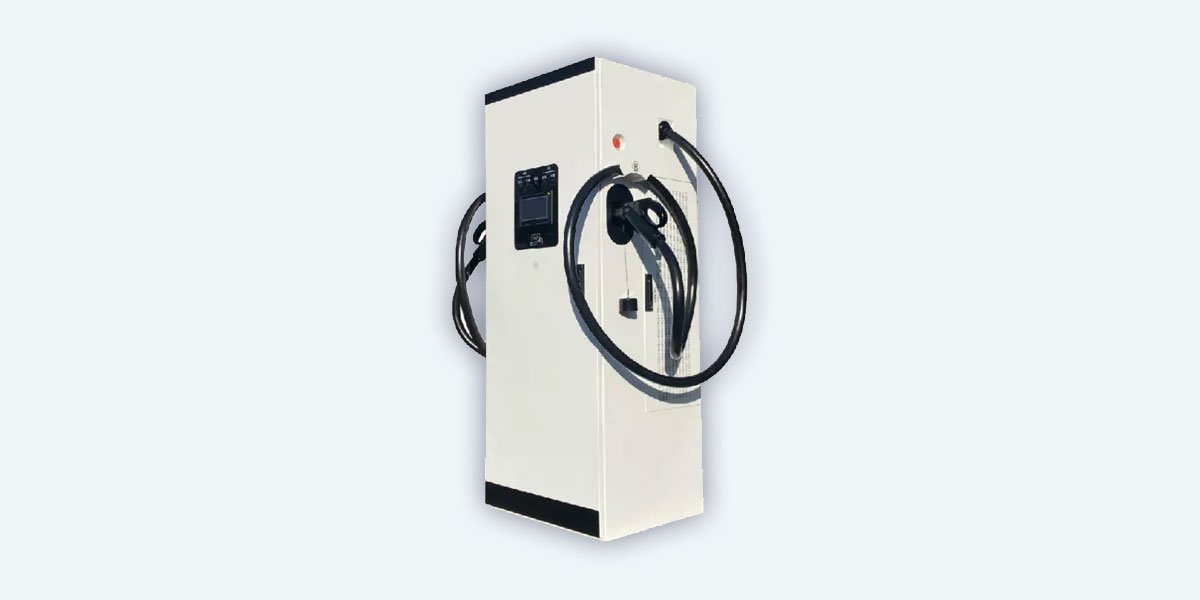
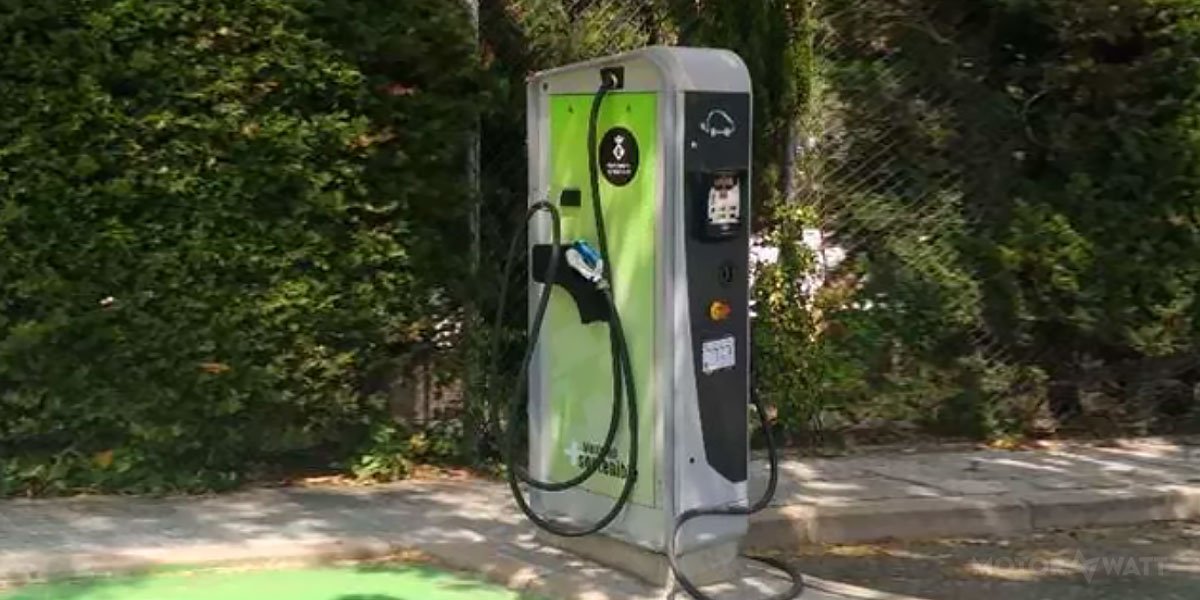

Estar EV Fast Charger 160KW Review: Early Impressions & Tech Analysis
Estar EV Fast Charger 160KW stands toe to toe with giants like Tesla's Supercharger stations and the Enel X JuicePump. Let's take a riveting cruise through what makes this device a thoroughbred in the realm of EV charging.
Electric Muscle: Unmatched Power Specifications
First and foremost, the Estar EV Fast Charger 160KW is a powerhouse, a veritable colossus in the ever-expanding EV charging landscape. Boasting 160 kilowatts of charging prowess, it's akin to having a fire-breathing dragon taming your electric steed. Operate this on a 380-volt backbone, it runs at a rated current of 532 amperes. This isn't just power; it’s an electrifying symphony of volts and amps, perfectly conducted for high-performance results.
A Maestro in Voltage and Current Precision
Precision, dear reader, is key when you're pumping electricity into your vehicle. The output voltage range dances between 100 to 1000 volts direct current, while the rated current stands magnificently at 160 amperes. With a voltage stabilization accuracy within ±0.5%, this charger ensures a smooth ride even if the grid voltage sways between 323 and 456 volts AC.
Durability and Protection: A Fortified Charging Companion
Ever driven through snow, sleet, or scorching heat? Your charger should share that resilience. The Estar EV Fast Charger withstands temperatures from a teeth-chattering -40°C to a Fahrenheit-frying +75°C. Over-voltage, under-voltage, and over-current protections stand vigilant, akin to diligent sentries safeguarding your EV against electrical anomalies. It's like having a platoon of bodyguards for your car.
The Climate Commander
Humidity could be another foe in your electrifying journey. Fret not, for this charger thrives in a range reaching up to 95% relative humidity. And if you're plotting your route above 2000 meters, bear in mind the Celsius drop per 100 meters. It's tech-savvy adaptation, folks!
Connect and Charge: The Universal Connective Tapestry
From GB/T to CCS and Chademo connectors, this charger’s compatibility is veritably eclectic. Dual gun (or single, if you're feeling monogamous) connectivity allows concurrent charging, divvying its power equally. Let's liken this to a Swiss army knife of connectors, perfectly engineered for versatile EV needs.
Card Swiping and Beyond: Streamlined User Interface
Gone are the days of fumbling for the right card. With OCPP1.6J protocols, the startup options—from card swiping to on-site initiation—cater to a spectrum of futuristic convenience. LAN and 4G connectivity further ensure the charger's heart beats steadily to the rhythm of modern technological progress.
Final Thoughts: A Charge toward the Future
The Estar EV Fast Charger 160KW is more than a charger; it's a bold stride towards a sustainable future. Wrapped in advanced features and high reliability, it's an armament for the eco-conscious road warrior. This is no fleeting trend; it's an emblem of our inexorable march towards a greener future—evoking every bit the excitement of technology and sustainability converging.
F.A.Q. about Estar EV Fast Charger 160KW
What is the power output of the Estar EV Fast Charger 160KW?
The Estar EV Fast Charger 160KW provides a maximum power output of 160 kilowatts, allowing it to charge electric vehicles quickly and efficiently. It operates on a voltage of 380 volts, delivering a rated current of 532 amperes.
What connectors does the Estar EV Fast Charger 160KW support?
This charger supports multiple connector types including GB/T, CCS 1, CCS 2, and Chademo. This flexibility makes it an excellent fit for a wide range of electric vehicles, ensuring compatibility and convenience for various charging requirements.
Is the Estar EV Fast Charger 160KW safe to use?
Yes, the Estar EV Fast Charger 160KW is equipped with multiple safety features such as over-voltage, under-voltage, over-current protection, and over-temperature protection. Additionally, it includes a lightning protection function and insulation detection to ensure safe operation in various environments.
How long does it take to charge an electric vehicle with the Estar EV Fast Charger 160KW?
Charging time varies based on the vehicle's battery capacity and state of charge but generally, the Estar EV Fast Charger 160KW significantly reduces charging time due to its high power output. It can recharge most modern EVs to 80% in approximately 20-30 minutes.
Can the Estar EV Fast Charger 160KW be used for all electric vehicle models?
Due to its support for multiple connector types such as GB/T, CCS, and Chademo, the Estar EV Fast Charger 160KW is compatible with a wide range of vehicle models, making it suitable for most electric vehicles on the market.
Is the Estar EV Fast Charger 160KW suitable for home installation?
While primarily designed for commercial use due to its high power output, the Estar EV Fast Charger 160KW can be installed at homes provided that the electrical infrastructure supports its requirements. Professional consultation is recommended for safe installation.
What are the environmental benefits of using the Estar EV Fast Charger 160KW?
Using the Estar EV Fast Charger 160KW contributes to reducing greenhouse gas emissions by supporting the transition to electric vehicles, which have a lower environmental impact compared to traditional gasoline-powered vehicles. Additionally, it promotes the use of renewable energy sources in transportation.