BYD Atto 3 EVO 2026: Price, Range, and Technical Specs
BYD Atto 3 EVO is a 2026 electric compact SUV built in China on an advanced 800 volt platform. It features a 74.8 kWh Blade Battery, delivers 510 km or 317 miles WLTP range, and produces 313 hp in rear wheel drive form. Acceleration to 100 km per hour takes 5.5 seconds, with DC charging up to 220 kW. Starting at $41,500 USD, it targets the premium compact EV segment.


| Starting Price | $41,500 |
| Model Year | 2026 |
| Country of Manufacturing | China |
| Battery Size | 74.8 kWh |
| Official Range | 317 mi |
| Power | 313 hp |
* Minimum price set for the base trim by the manufacturerr, excluding taxes and additional options

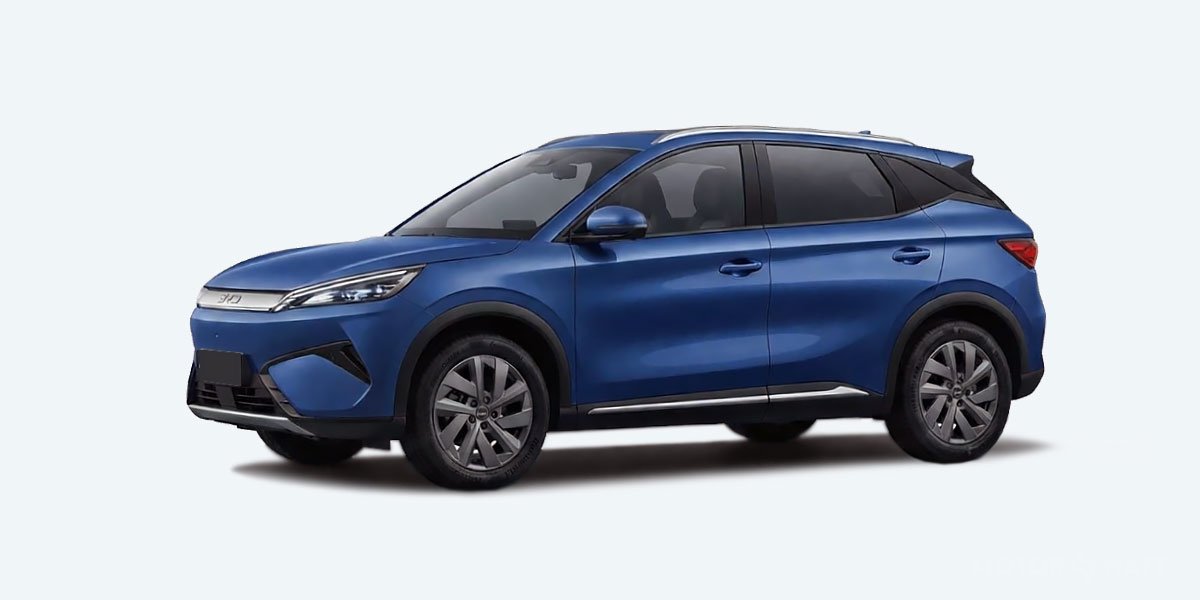
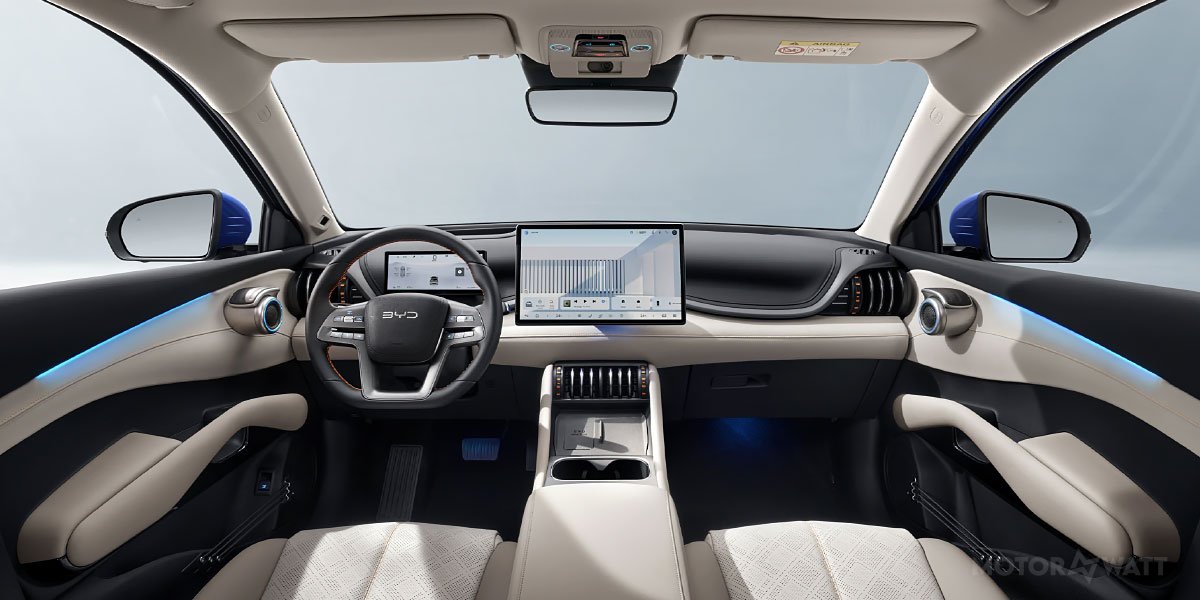
Exterior and Interior photos of BYD Atto 3 EVO 2026


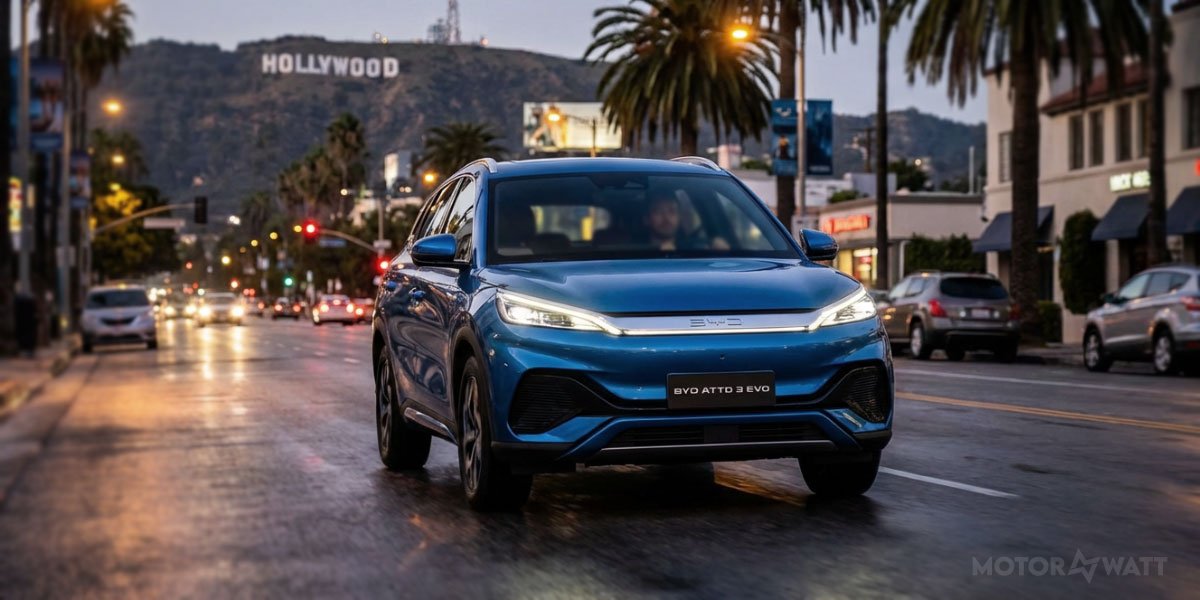
BYD Atto 3 EVO 2026 Review: Early Impressions & Tech Analysis
BYD Atto 3 EVO 2026 Introduction:
BYD Atto 3 EVO arrives for 2026 as a thoroughly reworked electric compact SUV built in China and aimed squarely at global buyers. It steps into the premium compact crossover EV segment with sharper performance, longer electric range, and an advanced 800 volt EV platform. The shift to rear wheel drive reshapes its character, giving drivers more balanced handling and stronger traction under acceleration. Power rises to 313 horsepower, or 230 kW, while the larger 74.8 kWh Blade Battery supports up to 510 km of WLTP range, about 317 miles. Top speed reaches 180 km per hour, equal to 112 mph, and the sprint to 100 km per hour, or 62 mph, takes just 5.5 seconds. With a starting price of $41,500 USD ($35,480 €), it positions itself as a high value electric compact SUV with premium charging technology and engaging dynamics.
- Manufactured in China by BYD and unveiled in February 2026 as the next phase of the global Atto lineup.
- Transition to 800 volt e Platform 3.0 for faster DC charging and improved efficiency.
- Base rear wheel drive configuration delivers 313 hp and sharper steering response.
- Starting price $41,500 USD ($35,480 €) places it competitively among premium compact EV rivals.
What is the Price of the Atto 3 EVO?
The Atto 3 EVO price starts at $41,500 USD ($35,480 €) for the Design rear wheel drive trim. That figure places it firmly in the premium compact electric SUV category while undercutting many European competitors offering similar power and battery size.
| Trim Level | PRICE | KEY FEATURES |
|---|---|---|
|
Design RWD
|
Rear wheel drive with 230 kW or 313 hp. 74.8 kWh Blade Battery delivers 510 km or 317 miles WLTP range. DC charging peaks at 220 kW. 0 to 62 mph in 5.5 seconds. 18 inch aerodynamic wheels and 490 liter cargo space plus 101 liter frunk.
|
|
|
Excellence AWD
|
Dual motor all wheel drive with 449 hp output. Enhanced traction and quicker acceleration. Maintains 800 volt architecture and high speed charging. Adds premium interior accents and expanded driver assistance systems.
|
Both trims leverage the same BYD Blade Battery and advanced 800 volt architecture. The Design RWD focuses on efficiency and balanced dynamics. The Excellence AWD emphasizes traction and extra punch. Either way, the value proposition stands strong within the BYD Atto 3 EVO price conversation.
Engine, Battery, and Performance Specs:
Battery & Charging Specifications
The 74.8 kWh Blade Battery forms the backbone of the platform. It supports up to 510 km WLTP, about 317 miles, which fits daily commuting and longer road trips alike. Real world range will vary, yet drivers can expect solid highway efficiency thanks to aerodynamic tuning and regenerative braking. DC fast charging from 10 to 80 percent takes about 25 minutes at up to 220 kW. That means less downtime at high power stations and more time on the road.
- Battery capacity 74.8 kWh
- WLTP range 510 km or 317 miles
- DC charging 10 to 80 percent in 25 minutes
- Peak DC charging power 220 kW
Electric Motor Specifications
The rear mounted electric motor produces 230 kW, equal to 313 horsepower. Torque reaches 380 Nm, around 280 lb ft. Rear wheel drive sharpens steering precision and improves weight balance. The five link rear suspension further stabilizes the chassis under hard acceleration. Power delivery feels linear and immediate, typical of a modern rear wheel drive electric SUV.
- Power 230 kW or 313 hp
- Torque 380 Nm or 280 lb ft
- Drive type rear wheel drive
- Five link rear suspension
Performance Specifications
Acceleration from 0 to 100 km per hour, or 0 to 62 mph, takes 5.5 seconds. Top speed stands at 180 km per hour, about 112 mph. Four driving modes, Eco, Normal, Sport, and Snow, tailor response to conditions. Adjustable regenerative braking enables near one pedal driving in city traffic.
- 0 to 100 km per hour in 5.5 seconds
- Top speed 180 km per hour or 112 mph
- Four selectable drive modes
For urban families and tech enthusiasts, the balance between brisk acceleration and long electric range creates a compelling package. Quick charging and rear drive dynamics enhance daily usability and weekend fun alike.
Exterior and Interior Features
Exterior Design
The exterior keeps the Dragon Face design language yet sharpens its stance. Dimensions measure 4455 mm long, 1875 mm wide, and 1615 mm tall, or roughly 175.4 by 73.8 by 63.6 inches. Wheelbase stretches to 2720 mm, about 107.1 inches, aiding cabin space. New 18 inch aerodynamic alloy wheels reduce drag. Crystal LED headlights widen the beam and add dynamic turn signals. A larger roof spoiler and revised bumpers hint at the performance upgrade.
Interior & Technology
Inside, the cabin keeps its gym inspired theme while upgrading technology. A 15.6 inch rotating touchscreen anchors the dash. An 8.8 inch digital cluster replaces the older smaller display. Built in Google services and AI voice control improve connectivity. Vegan leather upholstery and a panoramic sunroof elevate comfort. Cargo capacity reaches 490 liters, about 17.3 cubic feet, plus a 101 liter front trunk, around 3.6 cubic feet.
Overall, the layout favors practicality and personality. And the added frunk increases everyday usability. Long trips feel easier thanks to efficient packaging and modern infotainment.
Pros and Cons:
Pros
- Strong 313 hp output in base trim
- 800 volt platform with 220 kW charging
- Generous 510 km WLTP range
- Spacious cargo area with 101 liter frunk
- Competitive price within premium compact EV segment
Cons
- Interior styling may polarize traditional buyers
- Curb weight 1880 kg or 4,145 lb affects agility
- Brand perception still growing in some Western markets
Market position & Expert Data:
The model enters 2026 positioned against the Kia Niro EV, Volvo EX30, and Volkswagen ID.3. According to Reuters, global EV sales grew by over 25 percent in 2025, reflecting sustained demand for compact crossovers. Research shows 800 volt systems improve charging efficiency by up to 30 percent compared with 400 volt platforms. That advantage strengthens its appeal among long distance drivers.
Data from McKinsey 2026 mobility outlook indicates battery electric vehicles account for nearly 40 percent of new car sales in key European markets. Such momentum benefits advanced products built on scalable platforms. With 220 kW DC capability and 510 km WLTP range, it addresses range anxiety and charging speed concerns head on.
Conclusion:
BYD Atto 3 EVO delivers brisk acceleration, long electric range, and high speed charging in a compact SUV footprint. Rear wheel drive dynamics add engagement, while the 74.8 kWh Blade Battery supports everyday commuting and road trips alike. Priced from $41,500 USD ($35,480 €), it offers serious value in the premium compact EV class. For drivers seeking personality and performance in one package, it stands as a strong contender for 2026.
Watch the Video Overview

Full specifications
Model Specs
| Specification | Actual Data |
|---|---|
|
Model Name
|
Atto 3 EVO
|
|
Model Year
|
2026
|
|
Manufacturer
|
BYD Auto
|
|
Country of Origin
|
China
|
|
Vehicle Class
|
Compact Electric Crossover SUV
|
Performance
| Specification | Actual Data |
|---|---|
|
Power Type
|
Full Electric BEV
|
|
Drive Type
|
Rear Wheel Drive RWD
|
|
Maximum Power
|
313 hp 230 kW
|
|
Maximum Torque
|
380 Nm 280 lb ft
|
|
Top Speed
|
180 km per hour 112 mph
|
|
Acceleration 0 to 100 km per hour
|
5.5 seconds 0 to 62 mph
|
Battery and Charging
| Specification | Actual Data |
|---|---|
|
Battery Capacity
|
74.8 kWh Blade Battery
|
|
Architecture
|
800 volt e Platform 3.0
|
|
DC Fast Charging Rate
|
Up to 220 kW peak
|
|
Charging Time 10 to 80 percent
|
Approximately 25 minutes
|
Estimated Range Data
| Specification | Actual Data |
|---|---|
|
WLTP Electric Range
|
510 km 317 miles
|
|
Estimated Urban Range
|
Up to approximately 520 km 323 miles under efficient city driving
|
|
Estimated Highway Range
|
Approximately 430 to 460 km 267 to 286 miles at steady highway speeds
|
|
Cold Weather Range
|
Approximately 380 to 420 km 236 to 261 miles depending on temperature
|
Body Specifications
| Specification | Actual Data |
|---|---|
|
Length
|
4455 mm 175.4 inches
|
|
Width
|
1875 mm 73.8 inches
|
|
Height
|
1615 mm 63.6 inches
|
|
Wheelbase
|
2720 mm 107.1 inches
|
|
Curb Weight
|
1880 kg 4145 lb
|
Exterior Design Features
| Specification | Actual Data |
|---|---|
|
Wheel Size
|
18 inch aerodynamic alloy wheels 457 mm
|
|
Front Storage
|
101 liters 3.6 cubic feet front trunk
|
|
Lighting System
|
Crystal LED headlights with dynamic turn signals
|
Interior Design and Materials
| Specification | Actual Data |
|---|---|
|
Upholstery
|
Sustainable vegan leather seating surfaces
|
|
Panoramic Roof
|
Full length panoramic glass sunroof
|
|
Cargo Capacity Rear
|
490 liters 17.3 cubic feet
|
Cabin Technical Features
| Specification | Actual Data |
|---|---|
|
Central Display
|
15.6 inch rotating touchscreen 39.6 cm
|
|
Digital Instrument Cluster
|
8.8 inch display 22.4 cm
|
|
Driving Modes
|
Eco Normal Sport Snow modes
|
|
Regenerative Braking
|
Adjustable regenerative braking with near one pedal capability
|
F.A.Q. about BYD Atto 3 EVO 2026
What is the real world driving range on a single charge?
Atto 3 EVO targets up to 510 km or about 317 miles on WLTP, while real world driving typically lands a bit lower based on speed and temperature.
- City driving often stays closer to the WLTP figure
- Highway speeds pull range down due to air drag
- Cold weather can trim usable miles until the pack warms
What is the battery capacity and usable battery for daily driving?
It uses a 74.8 kWh Blade Battery, and usable energy varies slightly by buffer and temperature management during normal driving.
- Battery capacity 74.8 kWh
- Heat pump helps efficiency in cooler weather
- Regenerative braking recovers energy in traffic
How long does DC fast charging take from 10 to 80 percent?
DC fast charging runs about 25 minutes from 10 to 80 percent when the station supports the 220 kW peak rate and the battery sits in its ideal temperature zone.
- Peak DC rate up to 220 kW
- Best results come after preconditioning before arrival
- Charging slows near the top to protect the pack
What home charging setup works best for a compact crossover EV?
A Level 2 home charger usually fits best for daily use, since it refills overnight and reduces reliance on public fast charging.
- A 240 volt circuit supports routine at home charging
- A dedicated breaker improves charging consistency
- Off peak charging can reduce electricity costs
Is an 800 volt EV platform useful for long distance travel in Europe and the USA?
An 800 volt EV platform helps on road trips because it supports higher charging power where compatible stations exist, cutting stop times during long distance travel.
- Fast charging stations in Europe often support high power rates
- In the USA, station power varies by network and location
- Route planning matters more than raw range
How does cold weather affect electric range and charging speed?
Cold temperatures reduce efficiency and can slow fast charging until the battery warms, so winter driving often benefits from preheating and shorter charging hops.
- Cabin heat uses more energy at low temperatures
- Preconditioning improves charging performance
- Heat pump systems reduce winter energy use
What maintenance requirements come with a modern electric compact SUV?
Maintenance usually centers on tires, brakes, and cabin filters, since electric powertrains skip oil changes and many traditional engine wear items.
- Brake wear often drops with stronger regenerative braking
- Tires can wear faster due to torque and curb weight
- Coolant and software updates remain important
Are electric vehicles more expensive than gasoline cars in day to day use?
Upfront pricing can run higher, yet day to day costs often drop because electricity costs less per mile than gasoline and routine service needs stay lighter.
- Home charging usually costs less than public fast charging
- Fewer drivetrain service items reduce shop visits
- Insurance and tires can shift costs either way
How safe are electric crossovers in an accident with a large battery pack?
Modern EVs place the battery low in the floor, which can improve stability, and the structure typically includes dedicated crash protection around the pack.
- Low center of gravity helps reduce rollover risk
- High voltage systems include automatic shutoff logic
- Advanced driver assistance can help avoid impacts
What is the price in the USA and Europe, and what should buyers expect?
BYD Atto 3 EVO starts at $41,500 USD ($35,480 €) for the base trim, while the higher output configuration lists at $47,800 USD ($40,870 €) in the provided pricing estimates.
- Base trim focuses on rear wheel drive efficiency and performance
- Upper trim adds all wheel drive power and traction
- Taxes and incentives vary widely by region