CityAirbus NextGen: Price, Range, and Technical Specs
CityAirbus NextGen is a four seat electric vertical take off and landing aircraft developed by Airbus for urban air mobility. The 2024 model uses a 560 kWh battery and 800 kW distributed propulsion system to fly up to 80 km at 120 km/h. With 2000 kg maximum takeoff weight and rapid 20 to 30 minute charging, it targets premium air taxi operations in dense city environments.

| Starting Price | $1,200,000 |
| Model Year | 2024 |
| Country of Manufacturing | France |
| Flying Range | 50 mi |
| Battery Size | 560 kWh |
| Power | All Electric Distributed Propulsion hp |
* Minimum price set for the base trim by the manufacturerr, excluding taxes and additional options

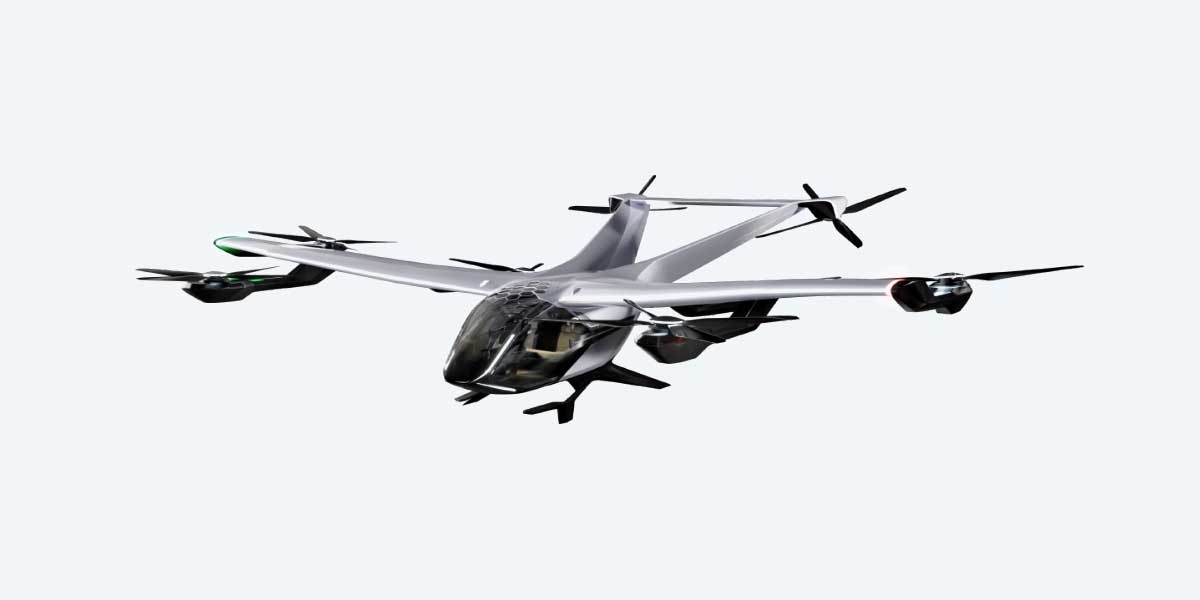
Exterior and Interior photos of CityAirbus NextGen
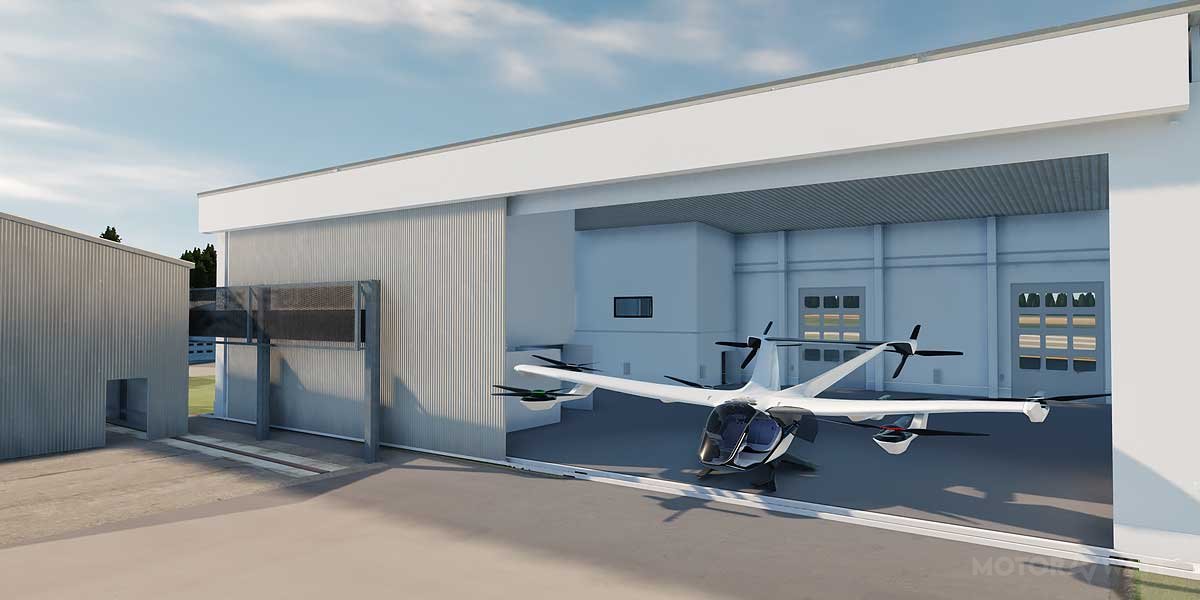


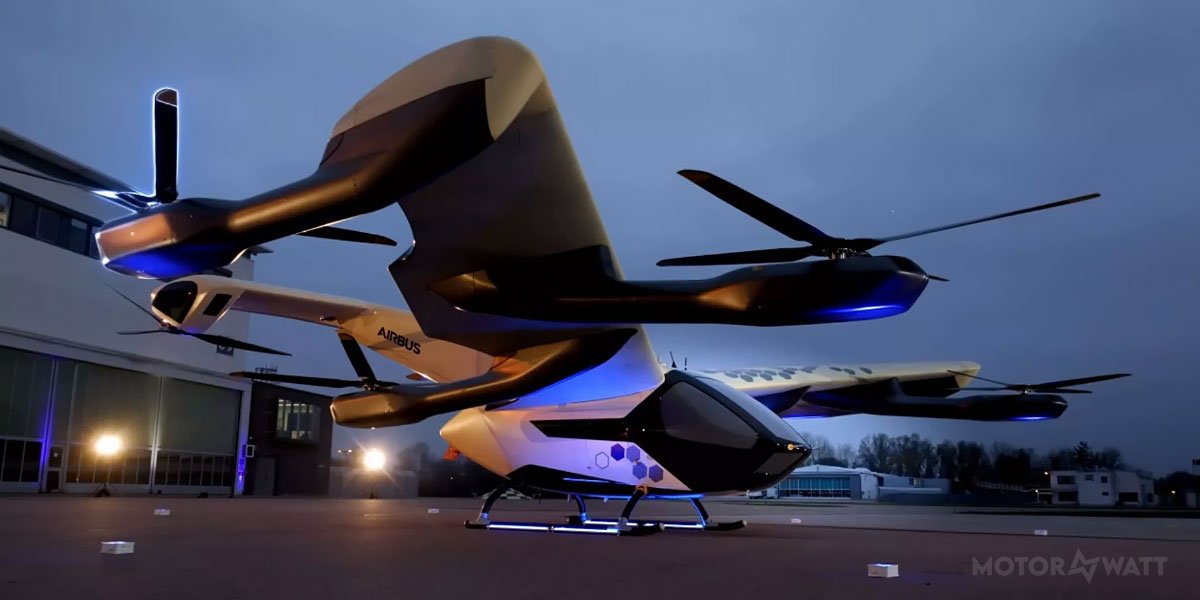
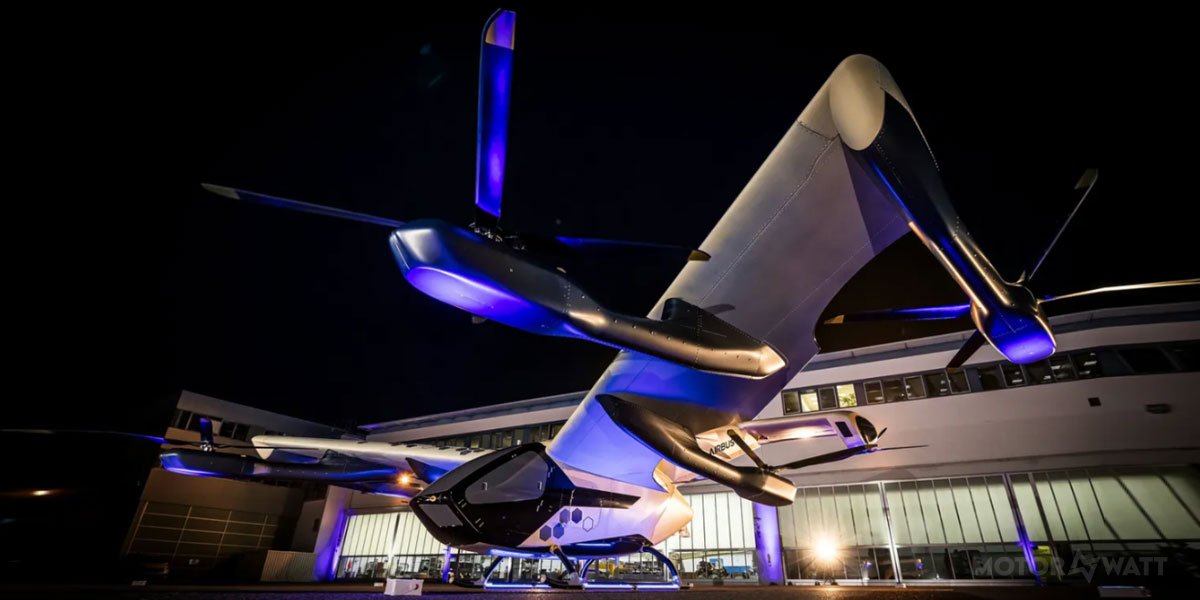
CityAirbus NextGen Review: Early Impressions & Tech Analysis
CityAirbus NextGen Introduction:
CityAirbus NextGen arrives as a purpose built electric air taxi aimed squarely at the expanding urban air mobility market. Manufactured in France by Airbus and rooted in years of demonstrator testing, this 2024 model year aircraft focuses on short range metropolitan missions. And it plays in the premium advanced air mobility segment with a base price of $1,200,000 USD (€1,010,436). The aircraft uses a 560 kWh battery system and an 800 kW distributed propulsion layout to cover up to 80 km, about 50 miles. Top speed reaches 120 km/h, roughly 75 mph, keeping it optimized for dense city corridors. Noise levels remain under 65 dB in cruise, comparable to a calm urban conversation, which strengthens its appeal for zero emission urban transit.
- Developed after the Vahana and Alpha prototypes, with lift and cruise architecture for structural simplicity.
- Model year 2024 production platform targeting 2026 operational deployment.
- Base trim priced at $1,200,000 USD (€1,010,436), positioned for commercial fleet operators.
- Primary focus on 80 km urban missions with 560 kWh battery capacity and low noise operation.
What is the Price of CityAirbus NextGen in 2026?
The CityAirbus NextGen price starts at $1,200,000 USD (€1,010,436). That positions it firmly in the premium commercial eVTOL aircraft category, tailored for fleet operators and private high net worth clients seeking zero emission aerial mobility.
| Trim Level | PRICE | KEY FEATURES |
|---|---|---|
|
Base Model
|
Four seat 1 plus 3 layout. 560 kWh battery system. 800 kW total power from eight motors. 80 km range, 120 km/h top speed. 20 to 30 minutes DC fast charge to 80 percent.
|
|
|
Medical Evacuation Trim
|
Reconfigured cabin for EMS use. Space optimized for stretcher and medical gear. Same 560 kWh battery and 800 kW propulsion system. Designed for rapid urban emergency deployment.
|
|
|
Premium Executive Trim
|
Enhanced interior materials. Upgraded digital cabin displays. Executive seating refinement. Retains 80 km range and 120 km/h cruise performance.
|
Each trim preserves the same distributed electric propulsion platform. The differences focus on cabin layout, mission equipment, and interior specification. Battery, range, and motor output remain constant across configurations.
Engine, Battery, and Performance Specs:
Battery & Charging Specifications
The aircraft integrates a 560 kWh battery pack, divided into four 140 kWh units. That capacity supports an 80 km flying range, around 50 miles, covering most inner city missions. DC fast charging reaches 80 percent in roughly 20 to 30 minutes, supporting rapid fleet turnaround. The architecture emphasizes redundancy, aligning with distributed electric propulsion principles for urban air mobility safety.
- Battery Capacity: 560 kWh
- Flying Range: 80 km or 50 miles
- DC Fast Charging: 20 to 30 minutes to 80 percent
- Energy System: Four independent 140 kWh modules
Electric Motor Specifications
Total power output stands at 800 kW, delivered by eight 100 kW electric motors. Six motors mount along the wing booms, while two provide forward thrust from the V tail. Such distributed electric propulsion enhances stability and fault tolerance. Even if one unit experiences failure, the craft maintains controlled flight.
- Total Power Output: 800 kW
- Motor Configuration: 8 x 100 kW
- Propulsion Type: Distributed electric propulsion
- Drive Concept: Lift and cruise architecture
Performance Specifications
Top speed reaches 120 km/h, approximately 75 mph. Maximum takeoff weight measures 2000 kg, or 4,409 pounds. Cargo capacity totals 250 kg, roughly 551 pounds, including passengers. Wing span stretches 12 meters, about 39 feet, while estimated length reaches 11.5 meters, nearly 38 feet.
- Top Speed: 120 km/h or 75 mph
- Maximum Takeoff Weight: 2000 kg
- Cargo Capacity: 250 kg
- Wingspan: 12 meters
Operational simplicity anchors the design. Pilots manage trajectory through a single stick system. And that reduces workload in tight urban corridors.
Exterior and Interior Features
Exterior Design
The airframe uses carbon fiber reinforced plastic to control weight while preserving rigidity. Eight large diameter propellers distribute lift across the structure. The negative sweep wing and V shaped tail provide aerodynamic stability during transition. Noise levels remain under 65 dB, reinforcing acceptance in metropolitan airspace. LED lighting arrays handle navigation and landing visibility.
Interior & Technology
Inside, a 1 plus 3 seating configuration maximizes cabin space. A panoramic canopy enhances visibility for both pilot and passengers. High definition touchscreens integrate navigation, weather, and energy data. 5G telemetry supports real time vertiport coordination. Sustainable materials line the cabin, tailored for high turnover air taxi service.
The layout supports comfort and operational efficiency. Visibility feels expansive. Controls feel intuitive. Urban flight becomes accessible rather than intimidating.
Pros and Cons:
Pros
- Low noise profile under 65 dB
- 800 kW distributed propulsion enhances safety
- Rapid 20 to 30 minute DC charging
- Backed by Airbus aerospace expertise
Cons
- Limited 80 km range restricts regional travel
- High acquisition cost for private buyers
- Operational use dependent on regulatory approval
Market position & Expert Data:
Urban air mobility continues to attract capital. According to Reuters, global eVTOL investments surpassed $6 billion in 2025. Airbus leverages decades of certification expertise, positioning this aircraft as a lower risk option for fleet operators.
Research from McKinsey projects urban air mobility could generate $9 billion annually by 2030. And 95 percent of projected missions fall under 100 km. That aligns closely with the 80 km capability.
Conclusion:
CityAirbus NextGen stands as a focused electric air taxi engineered for dense urban corridors. With 560 kWh capacity, 800 kW propulsion, and 120 km/h cruise speed, it prioritizes stability and operational simplicity. For fleet operators seeking low noise, zero emission vertical transport, it delivers a pragmatic solution. Backed by Airbus engineering depth, it targets reliability over experimental theatrics.
Watch the Video Overview


Full specifications
Model Specs
| Specification | Actual Data |
|---|---|
|
Model Name
|
CityAirbus NextGen
|
|
Model Year
|
2024
|
|
Vehicle Class
|
Urban Air Mobility eVTOL
|
|
Manufacturer
|
Airbus
|
|
Country of Origin
|
France
|
Performance
| Specification | Actual Data |
|---|---|
|
Power Type
|
All Electric Distributed Propulsion
|
|
Total Power Output
|
800 kW (1,073 hp)
|
|
Motor Configuration
|
8 x 100 kW Electric Motors
|
|
Maximum Speed
|
120 km/h (75 mph)
|
Battery and Charging
| Specification | Actual Data |
|---|---|
|
Battery Capacity
|
560 kWh (4 x 140 kWh Units)
|
|
Fast Charging Time
|
20 to 30 minutes to 80 percent
|
Estimated Range Data
| Specification | Actual Data |
|---|---|
|
Maximum Flying Range
|
80 km (50 miles)
|
Body Specifications
| Specification | Actual Data |
|---|---|
|
Wingspan
|
12 m (39.4 ft)
|
|
Length
|
11.5 m (37.7 ft)
|
|
Maximum Takeoff Weight
|
2000 kg (4,409 lbs)
|
|
Cargo Capacity
|
250 kg (551 lbs)
|
Exterior Design Features
| Specification | Actual Data |
|---|---|
|
Airframe Material
|
Carbon Fiber Reinforced Plastic
|
|
Propeller Configuration
|
Eight Open Rotors with Lift and Cruise Layout
|
|
Noise Level in Cruise
|
Below 65 dB
|
Interior Design and Materials
| Specification | Actual Data |
|---|---|
|
Seating Configuration
|
4 Seats (1 plus 3 Layout)
|
|
Canopy Type
|
Panoramic Glass Canopy
|
Cabin Technical Features
| Specification | Actual Data |
|---|---|
|
Flight Control System
|
Fly by Wire with Single Stick Control
|
|
Connectivity
|
5G Enabled Telemetry Integration
|
|
Autonomy System
|
Vertex Autonomy Platform Ready
|
F.A.Q. about CityAirbus NextGen
What is the real world flying range on a single charge in urban air mobility operations?
CityAirbus NextGen delivers up to 80 km or about 50 miles per charge under standard test conditions. Real world range depends on payload, wind, and temperature in dense metropolitan corridors.
- Designed for missions under 80 km
- Urban hover time influences total range
- Cold weather can reduce battery efficiency
How long does DC fast charging take for a 560 kWh electric air taxi battery?
NextGen charges from low state to 80 percent in about 20 to 30 minutes using DC fast infrastructure. That turnaround supports high frequency urban air taxi rotations in both the USA and Europe.
What is the price in the USA and Europe for a premium electric air taxi?
CityAirbus NextGen starts at $1,200,000 USD, approximately €1,010,436 at current exchange rates. Higher trims for executive or medical roles reach $1,500,000 USD or about €1,263,045.
How does distributed electric propulsion improve safety in eVTOL aircraft?
Distributed electric propulsion uses multiple independent motors to maintain stability. With eight 100 kW units delivering 800 kW total output, the aircraft continues controlled flight even if one motor experiences failure.
How quiet is a modern electric air taxi during cruise?
Cruise sound levels stay below 65 dB, similar to a normal street conversation. That low acoustic footprint supports integration into dense city environments and aligns with urban air mobility noise standards.
What is the payload and maximum takeoff weight for this class of electric vertical take off and landing craft?
The aircraft supports a maximum takeoff weight of 2000 kg or about 4,409 pounds. Payload capacity reaches 250 kg or roughly 551 pounds, covering passengers and light cargo in typical urban missions.
Can this advanced air mobility platform handle wind and turbulence in city corridors?
Fly by wire controls manage eight rotors simultaneously, improving stability in gusty urban canyons. The fixed wing and V shaped tail add aerodynamic balance during transition from hover to forward flight.
Is this urban air mobility aircraft expected to operate in the USA and Europe?
Certification discussions involve both EASA in Europe and the FAA in the United States. Airbus leverages its aerospace infrastructure to align regulatory approval with planned 2026 operational deployment.
What are the environmental benefits of an all electric air taxi compared to helicopters?
Electric propulsion generates zero direct emissions during flight. Lower noise and absence of combustion reduce urban pollution while supporting sustainable aviation goals across major metropolitan regions.