BYD Linghui e9 2026: Price, Range, and Technical Specs
BYD Linghui e9 is a full-size electric sedan introduced for 2026 under BYD’s Linghui mobility brand. Designed for ride-hailing and fleet operations, it uses a 60.5 kWh Blade battery delivering 535 km or about 332 miles of range. Power reaches 181 hp with front-wheel drive and 0–100 km/h acceleration in 7.9 seconds. Starting at $25,500 (€21,990), the sedan combines long driving range, spacious rear seating, and efficient charging, making it a practical option for commercial electric transport fleets.


| Starting Price | $25,500 |
| Model Year | 2026 |
| Country of Manufacturing | China |
| Battery Size | 60.5 kWh |
| Official Range | 332 mi |
| Power | 181 hp |
* Minimum price set for the base trim by the manufacturerr, excluding taxes and additional options

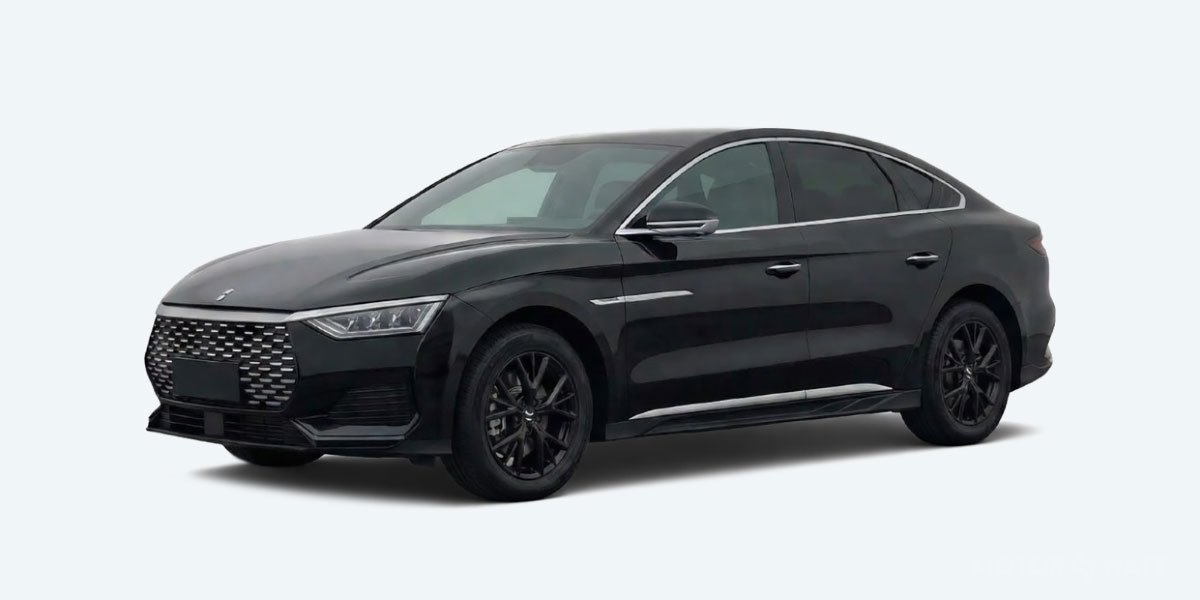
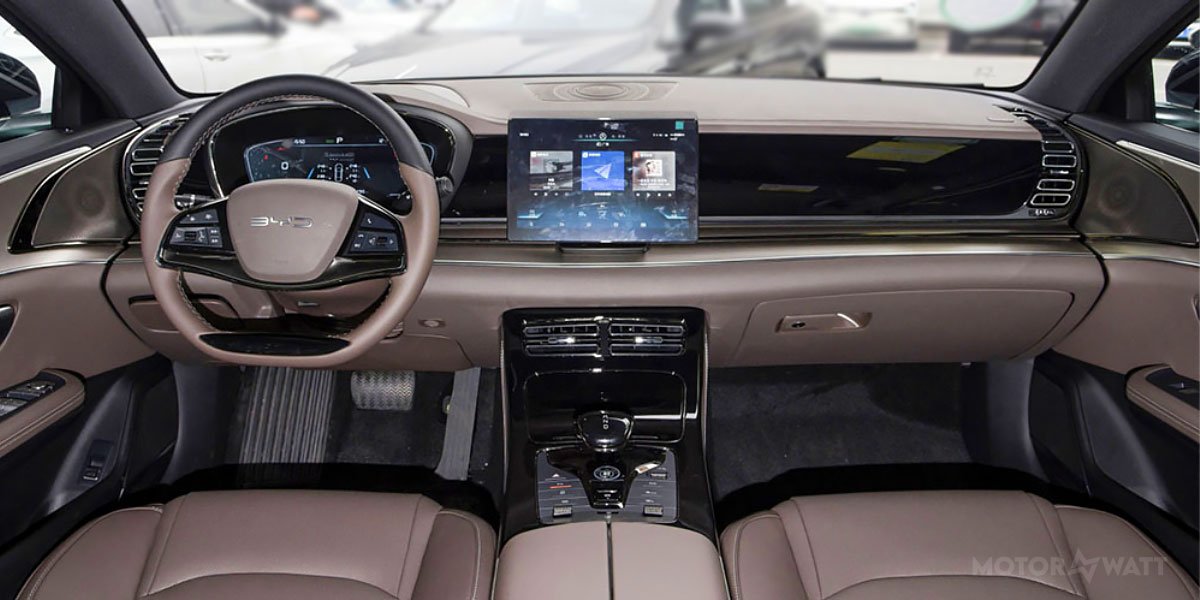
Exterior and Interior photos of BYD Linghui e9 2026


BYD Linghui e9 2026 Review: Early Impressions & Tech Analysis
BYD Linghui e9 2026 Electric Sedan Overview
BYD Linghui e9 enters the market as a full-size electric fleet sedan designed for high-mileage urban mobility. Built in China for the 2026 model year, the sedan launches under the new Linghui sub-brand, aimed at ride-hailing fleets and corporate transport services. The vehicle rides on architecture closely related to the flagship Han platform, yet tuned for durability and efficiency rather than luxury theatrics. A 60.5 kWh battery powers the sedan to an official electric sedan range of 535 km or about 332 miles under CLTC testing. Output reaches 181 horsepower, roughly 135 kW, delivered to the front wheels for smooth city performance. Top speed reaches 185 km/h, equal to 115 mph, which suits highway duties without excessive energy consumption. Starting at $25,500 USD (€21,990), the sedan occupies a sweet spot among large commercial electric sedan offerings aimed at professional drivers.
- Manufacturing story: Produced in China and introduced in February 2026 as part of a professional fleet mobility program.
- Platform heritage: Derived from the Han architecture, giving the sedan a proven engineering base.
- Battery technology: Uses BYD Blade battery chemistry for safety and long service life in heavy-duty operations.
- Pricing strategy: Entry price starts at $25,500 USD (€21,990), targeting corporate and ride-hailing fleets.
- Market focus: Positioned as a durable electric ride hailing vehicle for cities with electrified taxi fleets.
What is the Price of BYD Linghui e9?
The BYD Linghui e9 price starts at $25,500 USD (€21,990). That figure places the sedan in the value-focused segment of the electric sedan market, appealing to ride-hailing fleets and government mobility programs.
| Trim Level | PRICE | KEY FEATURES |
|---|---|---|
|
Base 60.5 kWh
|
Front wheel drive electric powertrain delivering 181 hp or 135 kW. A 60.5 kWh LFP Blade battery supports 535 km or roughly 332 miles of CLTC range. The sedan accelerates to 100 km/h in 7.9 seconds and reaches 185 km/h. DC fast charging replenishes the battery from 30 to 80 percent in about 30 minutes. Interior equipment includes DiLink connectivity, a rotating touchscreen display, and DiPilot driver assistance features.
|
|
|
Long Range 64.3 kWh
|
Enhanced battery capacity paired with a 150 kW motor improves highway efficiency and extended range capability. The configuration maintains front-wheel drive while adding upgraded wheels and enhanced driver assistance calibration. Fleet managers gain longer daily mileage coverage and reduced charging frequency.
|
The two configurations target slightly different fleet roles. The base version suits urban taxi duty, while the extended range variant suits intercity ride services. Both maintain a similar cabin layout and technology suite, ensuring consistent driver familiarity across fleets. Battery chemistry remains LFP Blade type, chosen for long charge-cycle endurance exceeding five thousand cycles. That durability helps commercial operators lower lifetime operating costs. Combined with the competitive BYD Linghui e9 price, the sedan delivers strong value within the professional EV mobility category.
Engine, Battery, and Performance Specs:
Battery & Charging Specifications
The electric sedan uses a 60.5 kWh lithium iron phosphate Blade battery. That chemistry emphasizes thermal stability and long service life. Official range reaches 535 km or about 332 miles under CLTC measurement. Real-world urban range often approaches 450 km or roughly 280 miles depending on driving style and climate. Fast charging replenishes the battery from 30 to 80 percent within about thirty minutes using DC infrastructure. Regenerative braking contributes additional efficiency during city driving cycles.
- Battery capacity: 60.5 kWh Blade battery
- Driving range: 535 km or 332 miles CLTC
- Charging time: 30–80 percent in about 30 minutes
- Battery chemistry: LFP lithium iron phosphate
Electric Motor Specifications
A permanent magnet synchronous motor sits at the front axle, driving the front wheels. Output reaches 181 horsepower, equivalent to about 135 kilowatts. Torque measures approximately 330 Nm, translating to about 243 lb-ft. The layout emphasizes efficiency rather than aggressive acceleration. Smooth torque delivery suits dense urban traffic and ride-hailing usage patterns. Engineers calibrate the drivetrain for consistent thermal performance during continuous daily operation.
- Motor type: permanent magnet synchronous motor
- Power output: 181 hp or 135 kW
- Torque: about 330 Nm or 243 lb-ft
- Drive layout: front wheel drive
Performance Specifications
Acceleration from 0 to 100 km/h takes about 7.9 seconds. That equals 0 to 62 mph in similar time. Top speed reaches 185 km/h, around 115 mph. Engineers tune suspension behavior to maintain stability during braking and cornering. The DiSus control system moderates body movement to improve passenger comfort. Efficiency remains a central theme across the entire driving experience.
- 0–100 km/h acceleration: 7.9 seconds
- Top speed: 185 km/h or 115 mph
- Drive type: front wheel drive
From a driver’s perspective, the sedan behaves like a calm long-distance cruiser. Acceleration feels smooth. Cabin quietness remains impressive even at highway speed. Fleet drivers value predictable handling and steady energy consumption during long shifts. For professional operators, those attributes translate directly into dependable daily service.
Exterior and Interior Features
Exterior Design
The sedan carries styling cues borrowed from the Han flagship, though the design emphasizes corporate elegance rather than flamboyant luxury. A large chrome dot-matrix grille dominates the front fascia. Split LED headlights add sharp visual character, while a full-width LED light bar stretches across the rear. Aerodynamic shaping contributes to a drag coefficient near 0.23. Body dimensions measure roughly 4995 mm long, 1910 mm wide, and 1495 mm tall. Wheel options include 18-inch or 19-inch alloy rims finished in black. Exterior colors favor restrained tones such as Arctic White, Cosmos Black, and Harbour Grey.
Interior & Technology
Inside, passengers enjoy a generous cabin created by the 2920 mm wheelbase, equal to 115 inches. Rear seat legroom ranks among the best in the electric sedan segment. A rotating touchscreen display runs the DiLink infotainment interface with voice control and 5G connectivity. Materials emphasize durability for heavy-duty use, including synthetic leather seating surfaces and easy-clean trim panels. DiPilot driver assistance supports everyday driving with lane monitoring and collision alerts. Multiple USB ports and rear climate controls improve passenger convenience during long rides.
And the practical details matter. A 410-liter cargo compartment holds luggage for airport transfers. A heat pump climate system reduces energy consumption during cold weather. Fleet drivers appreciate the ergonomic seating position and wide visibility. Altogether the cabin design supports long working hours while keeping passengers comfortable.
Pros and Cons:
Pros
- Long electric driving range suitable for ride-hailing fleets
- Durable LFP Blade battery with extended lifecycle
- Spacious rear seat thanks to long wheelbase
- Competitive entry price within large electric sedan category
- Comprehensive safety and connectivity features
Cons
- Front wheel drive layout limits sporty handling
- Charging peak slower than newer 800-volt platforms
- Design oriented toward fleet usage rather than luxury styling
Summary of the Electric Fleet Sedan
The BYD Linghui e9 arrives as a large electric sedan created for professional mobility. A 60.5 kWh Blade battery delivers 535 km or 332 miles of driving range. Pricing begins at $25,500 USD (€21,990), making the model accessible for fleet operators. Spacious interior packaging and stable driving behavior support long daily shifts. For cities shifting toward electrified taxi networks, the sedan offers an efficient and practical solution.
Watch the Video Overview


Full specifications
Model Specs
| Specification | Actual Data |
|---|---|
|
Model Name
|
Linghui e9
|
|
Model Year
|
2026
|
|
Vehicle Class
|
Full size electric sedan
|
|
Body Type
|
4 door sedan
|
|
Manufacturer
|
BYD Auto
|
|
Sub Brand
|
Linghui
|
|
Country of Origin
|
China
|
|
Primary Market Role
|
Fleet mobility, ride hailing and corporate transport sedan
|
Performance Specifications
| Specification | Actual Data |
|---|---|
|
Powertrain Type
|
Full electric powertrain
|
|
Motor Type
|
Permanent magnet synchronous motor
|
|
Drive Type
|
Front wheel drive (FWD)
|
|
Power Output
|
181 hp (135 kW)
|
|
Torque
|
330 Nm (243 lb ft)
|
|
Acceleration
|
0–62 mph in 7.9 seconds (0–100 km h)
|
|
Maximum Speed
|
115 mph (185 km h)
|
Battery and Charging
| Specification | Actual Data |
|---|---|
|
Battery Type
|
Lithium iron phosphate LFP Blade Battery
|
|
Battery Capacity
|
60.5 kWh
|
|
Charging Time DC
|
30 to 80 percent in about 30 minutes
|
|
Charging Type
|
AC and DC fast charging capability
|
|
Battery Lifecycle
|
More than 5000 charging cycles
|
Estimated Range Data
| Specification | Actual Data |
|---|---|
|
Official CLTC Range
|
535 km (332 miles)
|
|
Estimated Real World Range
|
450 km (280 miles) depending on driving conditions
|
|
Urban Driving Efficiency
|
Optimized for city ride hailing operations
|
Body Specifications
| Specification | Actual Data |
|---|---|
|
Length
|
196.6 in (4995 mm)
|
|
Width
|
75.2 in (1910 mm)
|
|
Height
|
58.9 in (1495 mm)
|
|
Wheelbase
|
115 in (2920 mm)
|
|
Cargo Capacity
|
410 L (14.5 cubic ft)
|
|
Curb Weight
|
4277 lb (1940 kg)
|
Exterior Design Features
| Specification | Actual Data |
|---|---|
|
Exterior Colors
|
Arctic White, Cosmos Black, Harbour Grey
|
|
Wheel Options
|
18 inch or 19 inch alloy wheels
|
|
Lighting System
|
Split LED headlights and full width LED rear light bar
|
|
Aerodynamic Drag Coefficient
|
0.23 Cd
|
Interior Design and Materials
| Specification | Actual Data |
|---|---|
|
Seating Material
|
Synthetic leather upholstery designed for fleet durability
|
|
Interior Layout
|
Spacious executive style cabin with large rear passenger area
|
|
Rear Passenger Comfort
|
Extended legroom due to 115 in (2920 mm) wheelbase
|
Cabin Technical Features
| Specification | Actual Data |
|---|---|
|
Infotainment System
|
BYD DiLink intelligent connectivity platform
|
|
Display
|
Large rotating touchscreen display
|
|
Connectivity
|
5G connectivity with voice assistant control
|
|
Driver Assistance Suite
|
DiPilot safety system with lane departure assist and collision warning
|
|
Parking and Camera Systems
|
360 degree surround view camera system
|
|
Passenger Convenience
|
Rear climate controls and multiple USB charging ports
|
F.A.Q. about BYD Linghui e9 2026
What is the real driving range expected from a large electric fleet sedan?
Real-world driving range for a modern electric fleet sedan usually falls slightly below laboratory testing figures. The BYD Linghui e9 offers an official range of about 535 km, roughly 332 miles, while everyday urban driving typically delivers around 450 km or 280 miles depending on climate, driving style, and passenger load.
How long does it take to charge an electric sedan used for ride hailing?
Fast charging typically restores energy quickly during short breaks. The Linghui e9 replenishes the battery from about 30 percent to 80 percent in roughly 30 minutes using DC fast charging infrastructure.
Is a full size electric sedan practical for ride hailing and fleet services?
Yes. A large electric fleet sedan offers spacious rear seating, smooth acceleration, and quiet operation. Those traits improve passenger comfort and help professional drivers manage long daily shifts in busy urban environments.
How efficient is a front wheel drive electric sedan for city mobility?
Front wheel drive layouts improve energy efficiency and reduce drivetrain complexity. That setup suits urban electric mobility where smooth acceleration and predictable handling matter more than aggressive performance.
What battery technology powers modern electric fleet vehicles?
Many commercial EVs rely on lithium iron phosphate chemistry for durability and safety. The Linghui e9 uses an LFP Blade battery with a capacity of 60.5 kWh and a lifecycle exceeding five thousand charge cycles.
Are electric sedans suitable for long distance highway travel?
Yes, long wheelbase electric sedans support highway travel with stable handling and consistent power delivery. Charging stops every few hundred miles usually keep the journey comfortable and efficient.
What maintenance advantages come with a commercial electric sedan?
Electric vehicles contain fewer moving parts than gasoline cars. Routine service mainly includes tire replacement, brake inspection, and battery system monitoring, which lowers long-term operating costs for fleet operators.
How safe are electric sedans equipped with modern driver assistance systems?
Many electric fleet cars include advanced driver assistance technology such as lane monitoring, collision alerts, and surround-view cameras. These systems help drivers maintain awareness and improve passenger safety.
Can an electric fleet vehicle charge at public charging stations in Europe or the United States?
Most electric vehicles use standardized connectors compatible with public charging networks. Drivers generally recharge at DC fast chargers along highways or AC chargers installed at fleet depots or residential garages.
Is the purchase price competitive compared with other electric sedans?
The BYD Linghui e9 starts around $25,500 USD (€21,990), placing it among the most affordable full-size electric sedans designed for commercial transport and ride hailing services.