Pivotal Helix: Price, Range, and Technical Specs
Pivotal Helix is a 2024 single seat electric vertical takeoff and landing aircraft built in the USA. Classified under FAA Part 103, it allows recreational flight without a pilot license. Powered by an 8.0 kWh battery and 55 kW system output, it cruises at 100 km/h with a 32 km range. Weighing 158 kg, it represents a lightweight personal aerial vehicle designed for short range electric sky travel.


| Starting Price | $190,000 |
| Model Year | 2024 |
| Country of Manufacturing | USA |
| Flying Range | 22 mi |
| Flying Time | 120 min |
| Battery Size | 8.0 kWh |
* Minimum price set for the base trim by the manufacturerr, excluding taxes and additional options

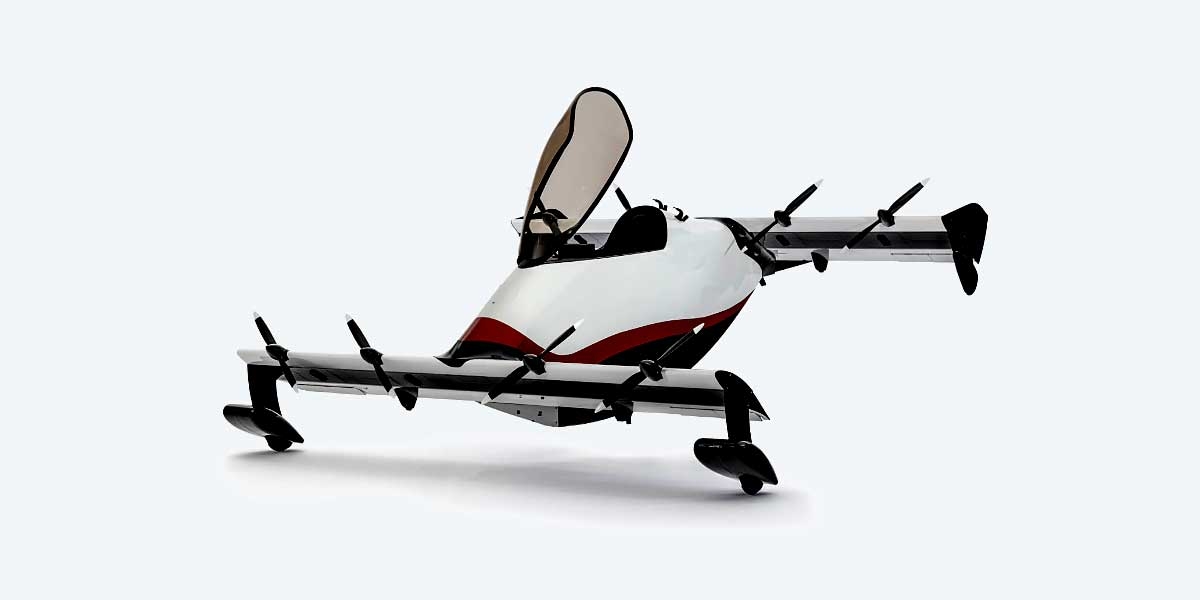
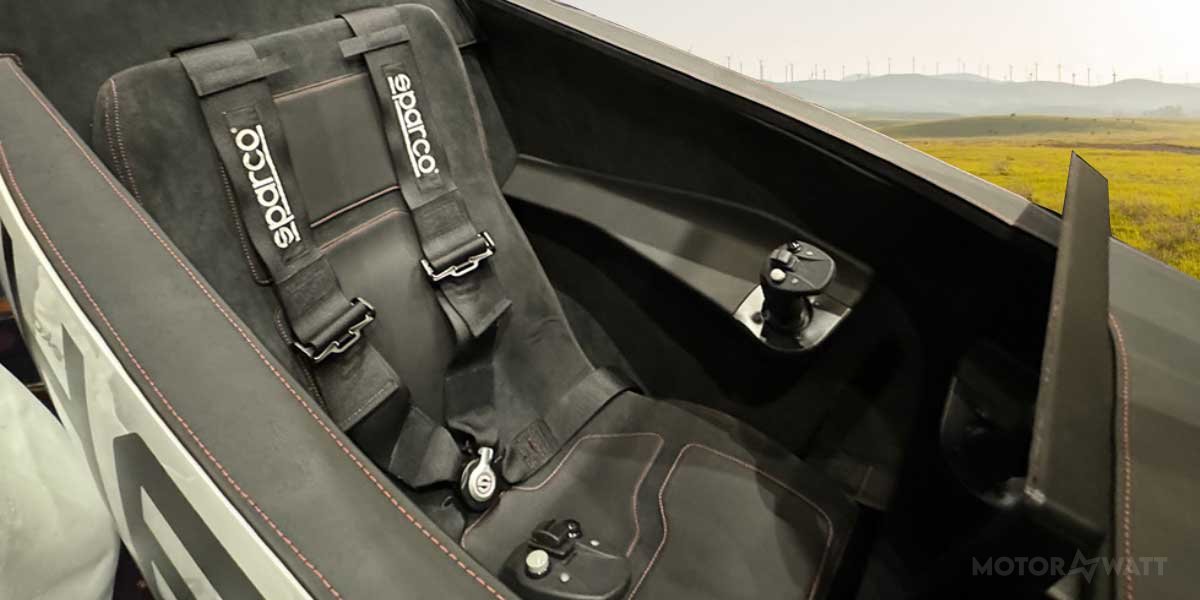
Exterior and Interior photos of Pivotal Helix


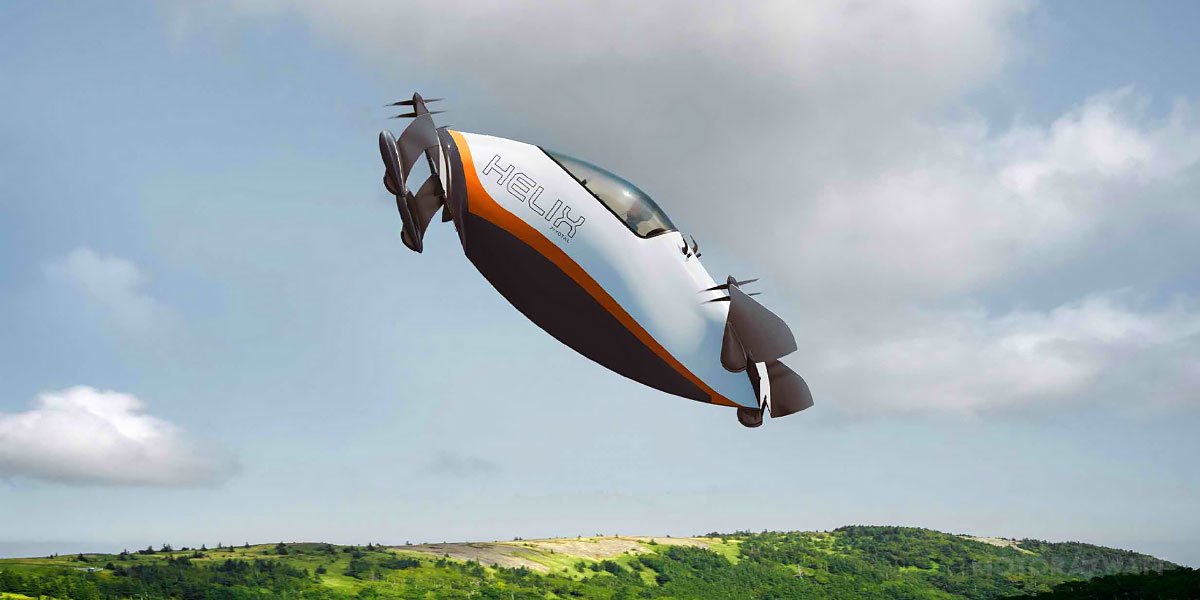


Pivotal Helix Review: Early Impressions & Tech Analysis
Pivotal Helix Introduction:
Pivotal Helix arrives as a fresh chapter in personal eVTOL aircraft history. Built in the USA for the 2024 model year, it targets recreational aviators who crave electric vertical takeoff and landing aircraft freedom without bureaucratic drag. Classified under FAA Part 103 aircraft rules, it enables solo flight without a formal pilot license in the United States. That regulatory positioning shapes its entire mission. With an 8.0 kWh battery, 120 minutes of flight endurance, and a top speed near 100 km/h or 62 mph, it sits squarely in the ultralight aircraft USA niche. Starting at $190,000 USD (€160,204), it occupies a premium recreational tier yet undercuts multi passenger eVTOL concepts. And that matters. Because it places electric flight within reach of affluent early adopters who want weekend sky access rather than commercial air taxi service.
- Manufactured in the USA and launched for online orders in January 2024, with deliveries beginning June 2024.
- Fourth generation platform derived from the BlackFly program, refined for personal aerial mobility.
- Base trim price begins at $190,000 USD (€160,204), positioned in the premium recreational ultralight segment.
- Engineered to remain within the 158 kg weight cap for FAA Part 103 ultralight compliance.
- Designed as a single seat battery powered aircraft with simplified joystick flight controls.
What is the Price of Pivotal Helix in 2024?
The Pivotal Helix price starts at $190,000 USD (€160,204). That figure places it firmly in the upper echelon of the personal flying vehicle price spectrum, aimed at recreational pilots seeking electric sky access rather than commercial certification.
| Trim Level | PRICE | KEY FEATURES |
|---|---|---|
|
Package 1
|
8.0 kWh battery, 32 km practical range plus reserve, 55 kW total output, 100 km/h cruise speed, joystick control, ballistic parachute, HD landing camera.
|
|
|
Package 2
|
Enhanced avionics suite, upgraded analytics integration, expanded support services, premium finishing elements.
|
|
|
Package 3
|
Top tier configuration with extended training package, advanced redundancy calibration, concierge level ownership experience.
|
Each trim centers on the same electric flight range and propulsion hardware. Differences revolve around training access, analytics depth, and ownership services. Even the base configuration delivers the essential tilt aircraft architecture, carbon fiber airframe, and integrated safety systems. Higher tiers amplify refinement rather than core capability. For buyers evaluating Pivotal Helix price, value emerges from regulatory freedom and immediate usability within US ultralight rules.
Engine, Battery, and Performance Specs:
Battery & Charging Specifications
The aircraft draws energy from an 8.0 kWh lithium battery pack. That capacity may sound modest compared with electric cars, yet weight discipline governs every decision. Flight range reaches 32 km or about 20 miles, with an additional 20 percent reserve buffer. Total flying time extends up to 120 minutes under optimal conditions. Charging requires 75 minutes on Level 2 240V power, or roughly 4.5 hours on standard Level 1 outlets. For an electric aircraft charging time metric, those figures align well with recreational mission profiles.
- Battery capacity: 8.0 kWh
- Flying range: 32 km or 20 miles plus reserve
- Flying time: up to 120 minutes
- Charging: 75 minutes Level 2, 4.5 hours Level 1
Electric Motor Specifications
Propulsion stems from eight fixed electric rotors distributed across tandem wings. Total system output reaches approximately 55 kW, equivalent to about 74 horsepower. Redundant motor architecture enhances reliability while maintaining quiet electric aircraft operation near 72 dBa at 46 meters or 151 feet. The tilt body concept generates aerodynamic lift from the wings during forward motion. That reduces power draw compared with multicopter designs. And it supports efficient electric vertical takeoff and landing aircraft transitions.
- Total output: 55 kW or 74 hp
- Eight motor redundant propulsion layout
- Noise level: approximately 72 dBa at 46 m
- Tandem wing tilt aircraft configuration
Performance Specifications
Top cruise speed reaches 101 km/h or roughly 62 mph. Maximum altitude extends to 1,520 meters or about 4,987 feet. Empty weight stands at 158 kg or 348 pounds, meeting ultralight classification limits. Payload capacity reaches 100 kg or 220 pounds. Those numbers define its recreational mission clearly. Short range hops. Low altitude exploration. Direct sky access. For a single seat aerial vehicle, performance feels agile and immediate, especially during vertical lift and forward transition.
- Top speed: 100 km/h or 62 mph
- Maximum altitude: 1,520 m or 4,987 ft
- Empty weight: 158 kg or 348 lb
- Payload: 100 kg or 220 lb
Advantages for potential owners revolve around simplicity and autonomy. No traditional license requirement under FAA Part 103. Direct joystick control. Predictable energy usage. For tech enthusiasts and weekend flyers, those traits create an approachable gateway into personal aerial mobility.
Exterior and Interior Features
Exterior Design
The airframe spans 4.27 meters in length and width, equivalent to 14 feet each direction. Carbon fiber composites shape the structure, trimming mass while preserving rigidity. Eight rotors sit across tandem wings in fixed alignment. Integrated floats support emergency water landings. The 270 degree panoramic canopy expands outward visibility, enhancing spatial awareness. Signature white panels contrast against exposed carbon fiber textures. Aerodynamic sculpting reduces drag during horizontal cruise. The entire configuration reflects a disciplined lightweight eVTOL design philosophy focused on efficiency.
Interior & Technology
Inside, a single seat cockpit centers on ergonomic alignment and digital telemetry. A central display provides altitude, airspeed, and battery data in real time. Joystick controls mimic consumer drone logic, reducing learning curve anxiety. Triple modular redundancy in flight controllers enhances operational confidence. A ballistic parachute system adds an additional safety layer. Connectivity through a dedicated mobile app supports pre flight checks and analytics review. The result feels modern, direct, and technologically assured for a recreational electric aircraft.
Exterior and interior advantages align around clarity and usability. Wide visibility reduces pilot stress. Digital integration simplifies monitoring. Lightweight construction boosts efficiency. Together, these features support confident, emission free sky exploration across short range missions.
Pros and Cons:
Pros
- FAA Part 103 compliance allows flight without traditional pilot license.
- Carbon fiber airframe keeps weight at 158 kg ultralight threshold.
- Quiet electric propulsion near 72 dBa enhances neighborhood acceptance.
- Intuitive joystick interface simplifies training process.
- Ballistic parachute and redundant systems elevate safety margin.
Cons
- 32 km range limits cross city commuting potential.
- Single seat layout restricts passenger capability.
- US only availability due to regulatory constraints.
- Premium pricing narrows buyer pool.
Market position & Expert Data:
The aircraft occupies a niche within the recreational electric vertical takeoff and landing aircraft segment. According to Reuters, global eVTOL investment surpassed $8 billion in cumulative funding by 2025, reflecting accelerating capital flow into advanced air mobility. Research shows that North America leads early adoption, supported by clearer regulatory pathways.
Data reveals that FAA Part 103 ultralight rules enable immediate deployment without full type certification. Analysts cited by McKinsey project the urban air mobility sector could generate tens of billions in annual revenue by 2030. Within that projection, recreational single seat models form a smaller yet high margin subset. A senior mobility consultant noted that simplified aircraft architectures reduce certification barriers, accelerating entry into US markets. In that context, the Helix secures an early mover stance among personal eVTOL aircraft.
Conclusion:
The Helix delivers a direct gateway into electric flight. With a $190,000 USD (€160,204) entry price, 8.0 kWh battery, and 101 km/h cruise speed, it targets recreational flyers seeking license free ultralight access. Carbon fiber construction and joystick controls streamline operation. For American early adopters, it offers immediate, regulated sky freedom grounded in practical electric aviation engineering.
Watch the Video Overview


Full specifications
Model Specs
| Specification | Actual Data |
|---|---|
|
Model Name
|
Helix
|
|
Model Year
|
2024
|
|
Vehicle Class
|
Ultralight electric vertical takeoff and landing aircraft
|
|
Body Style
|
Single seat tandem wing tilt aircraft
|
|
Country of Origin
|
United States
|
|
Manufacturer
|
Pivotal, California
|
Performance
| Specification | Actual Data |
|---|---|
|
Power Type
|
Fully electric propulsion
|
|
Total System Output
|
55 kW or 74 hp
|
|
Maximum Cruise Speed
|
100 km/h or 62 mph
|
|
Maximum Altitude
|
1,520 m or 4,987 ft
|
|
Propulsion Layout
|
Eight motor redundant fixed rotor system
|
Battery and Charging
| Specification | Actual Data |
|---|---|
|
Battery Capacity
|
8.0 kWh
|
|
Charging Time Level 2
|
75 minutes on 240V
|
|
Charging Time Level 1
|
4.5 hours on 120V
|
Estimated Range Data
| Specification | Actual Data |
|---|---|
|
Practical Flight Range
|
32 km or 20 miles plus 20 percent reserve
|
|
Maximum Flight Time
|
Up to 120 minutes
|
Body Specifications
| Specification | Actual Data |
|---|---|
|
Length
|
4.27 m or 14.0 ft
|
|
Width
|
4.27 m or 14.0 ft
|
|
Curb Weight Empty
|
158 kg or 348 lb
|
|
Payload Capacity
|
100 kg or 220 lb
|
Exterior Design Features
| Specification | Actual Data |
|---|---|
|
Airframe Material
|
Carbon fiber composite structure
|
|
Rotor Configuration
|
Eight fixed rotors across tandem wings
|
|
Canopy
|
270 degree panoramic canopy
|
Interior Design and Materials
| Specification | Actual Data |
|---|---|
|
Seating Capacity
|
1 pilot seat
|
|
Cockpit Layout
|
Single seat ergonomic digital cockpit
|
Cabin Technical Features
| Specification | Actual Data |
|---|---|
|
Flight Display
|
Central digital telemetry panel with altitude, airspeed, battery status
|
|
Primary Controls
|
Joystick based flight control interface
|
|
Safety Systems
|
Ballistic parachute and triple modular redundant flight controllers
|
|
Connectivity
|
Mobile app integration with flight analytics and geofencing
|
F.A.Q. about Pivotal Helix
What is the real flight range on a single charge for a personal eVTOL aircraft?
Pivotal Helix delivers about 32 km or 20 miles of practical flying range, plus a 20 percent energy reserve for safety. Actual range depends on pilot weight, wind, and cruising speed.
- Cruise speed around 100 km/h or 62 mph balances efficiency
- Higher payload reduces total electric flight range
- Headwinds shorten usable distance
What is the battery capacity and usable energy in this ultralight aircraft?
Pivotal Helix uses an 8.0 kWh lithium battery pack engineered for lightweight eVTOL design. Most of that capacity remains usable, with a built in reserve buffer to protect flight endurance.
- Battery capacity: 8.0 kWh
- Flight time: up to 120 minutes
- Designed for short range personal aerial mobility
How long does it take to charge a battery powered aircraft at home?
Helix charges in about 75 minutes using a 240V Level 2 outlet. On a standard Level 1 household socket, full charging takes roughly 4.5 hours.
- Level 2 240V: approximately 75 minutes
- Level 1 120V: about 4.5 hours
- Home charging supports convenient recreational use
What is the current price in the USA for this personal flying vehicle?
Pivotal Helix starts at $190,000 USD or about €160,204 for the base Package 1. Higher equipment tiers reach $240,000 USD (€202,363) and $260,000 USD (€219,226).
Does FAA Part 103 classification require a pilot license in the United States?
No formal pilot license is required under FAA Part 103 ultralight rules. Operators must follow airspace restrictions and safety guidance provided through training programs.
- Single seat ultralight classification
- Restricted to uncongested areas
- Geofencing software supports compliance
How powerful is the electric propulsion system in a tilt aircraft architecture?
The eight motor system delivers about 55 kW of total output, equal to roughly 74 horsepower. That level supports vertical takeoff and 101 km/h or 62 mph cruise speed.
- Total output: 55 kW
- Eight motor redundant layout
- Optimized for stable horizontal cruise
What are the weight and payload limits for this lightweight eVTOL design?
Empty weight stands at 158 kg or 348 pounds, aligning with ultralight limits. Payload capacity reaches 100 kg or 220 pounds, suitable for one pilot and light cargo.
- Empty weight: 158 kg or 348 lb
- Payload: 100 kg or 220 lb
- Single seat configuration
How quiet is a recreational electric aircraft during cruise?
Noise output measures around 72 dBa at 46 meters or 151 feet. That level feels noticeably quieter than conventional internal combustion light aircraft.
- Measured at 46 m distance
- Electric propulsion reduces vibration
- Suitable for low impact recreational flying
Is this personal eVTOL aircraft available in Europe or limited to the USA?
Current availability focuses on the United States due to FAA Part 103 rules. European markets such as Germany and the United Kingdom require additional certification for manned electric vertical takeoff and landing aircraft.